Toll Free: 1800 3000 6222
Telephone: +91 141 222 3221
Fax: +91 141 222 1926, 222 2259
CIN: U29130WB1946PLC013643
Founded in 1946, National Engineering Industries Ltd (NEI) is India’s leading bearings manufacturer and exporter, renowned for excellence in quality and delivery.

Choosing heavy duty roller bearings is not simply a matter of selecting the largest load rating. The decision affects uptime, maintenance cost, safety, and energy use. In a steel mill, for example, a bearing may face shock loads, heat, dust, misalignment, and continuous vibration at the same time. One overlooked factor can shorten service life.
Industry data shows why careful selection matters. Grand View Research reports that the global bearing market continues to expand, driven by industrial machinery, wind power, automotive production, and infrastructure investment. The Timken Company also identifies reliability, friction reduction, and predictive maintenance as important priorities across heavy industrial applications. However, market reports differ in scope and definitions. Their figures should guide research, not replace engineering judgment.
Dr. Tedric A. Harris, a respected rolling-bearing specialist, stated, “The life of a rolling bearing is not a fixed number.” That principle remains practical today. Actual performance depends on load distribution, lubrication quality, mounting accuracy, contamination control, and operating temperature. ISO 281 provides a standardized method for calculating basic rating life, but calculated life is not guaranteed field life. This distinction is easy to miss.
This guide explains how to compare load capacity, bearing geometry, seals, materials, clearance, lubrication, and installation requirements. It also considers maintenance access and total operating cost. The best choice may not be the cheapest bearing. Sometimes, it is the bearing that survives one more dirty shift, one more temperature spike, and one more imperfect installation. That assumption deserves testing.
How to Choose Heavy Duty Roller Bearings?
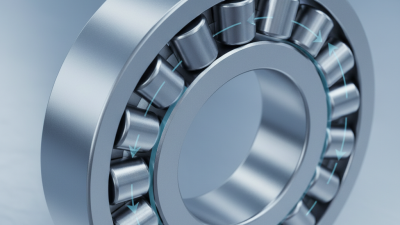
Heavy duty roller bearings are selected by load, speed, alignment, and contamination. Cylindrical roller bearings suit high radial loads in gearboxes, conveyors, and large electric motors. Tapered roller bearings manage combined radial and axial loads. They often support wheel hubs and heavily loaded drive systems. Spherical roller bearings tolerate shaft misalignment and shock. Needle roller bearings save space where radial capacity matters.
The U.S. Department of Energy reports that motor systems consume about 69% of industrial electricity in the United States. Small friction losses can therefore become expensive over long operating hours. ISO 281 provides the basic rating-life method for rolling bearings. Use its dynamic load rating, operating speed, and equivalent load values. Do not choose by bore size alone. I have seen oversized bearings fail early because poor sealing allowed abrasive dust inside. Real installations are less tidy.
Tips: Check the actual load spectrum, not only the maximum load. Record shock, vibration, temperature, and shaft deflection. Choose spherical designs when housing alignment is uncertain. Consider tapered designs when axial positioning matters. Confirm lubrication viscosity at operating temperature. The wrong grease can increase heat quickly. Leave room for inspection and relubrication. A calculation may look precise, yet uncertain field loads still require judgment. That part is often underestimated.
Understanding Heavy Duty Roller Bearing Types and Applications
This capability map compares common heavy-duty roller bearing types. A value of 1 indicates that the bearing type is commonly designed for that primary capability, while 0 indicates that the capability is not its primary function. Actual selection should also consider load magnitude, speed, lubrication, shaft alignment, operating temperature, and required service life.
Choosing heavy-duty roller bearings starts with evidence, not catalog appearance. Record radial load, axial load, shock frequency, shaft speed, and duty cycle.
ISO 281 defines basic rating life as L10 life, where 90% of identical bearings are expected to survive. Its equation uses dynamic load rating and equivalent load. A small load estimate error can sharply change predicted life.
For speed, compare operating rpm with the bearing’s thermal speed limit. That limit depends on lubrication, seal friction, cage design, and heat removal.
The U.S. Department of Energy’s Industrial Motor System Market Assessment reports that motor systems consume about 68% of industrial electricity. Efficient bearing selection therefore affects more than component life.
Check starting torque, acceleration, and transient overspeed. Measure housing temperature through a full production cycle.
A cold morning can hide trouble.
Operating conditions often decide the result. Dust, washdown water, vibration, misalignment, and shaft deflection need separate review.
ISO 281 calculations do not fully capture contamination or poor lubrication without modification factors. Use lubricant viscosity at actual temperature, not its room-temperature label.
I would also verify fits and internal clearance after installation. This step is easy to skip.
This step is easy to skip. It should not be.
Field data beats assumptions, although sensors can drift and loads can change. Recheck after several weeks.
Choosing a heavy duty roller bearing starts with the real load, not the catalog headline. Measure radial and axial forces separately. Include shock loads from starts, stops, uneven material, and vibration. A bearing that fits the shaft may still lack enough load capacity. Check the dynamic and static ratings against the calculated duty cycle.
Measure the shaft, housing bore, and available width carefully. A small dimensional error can create harmful mounting stress. Some choices look obvious. They are not. Select internal clearance according to speed, temperature, load, and fit. Tight interference fits can reduce operating clearance. Excessive clearance can cause noise, roller skidding, and uneven contact. Field inspections often reveal that incorrect clearance causes more trouble than bearing size.
Internal design also matters when alignment is imperfect. Spherical roller designs can tolerate housing or shaft deflection better than rigid arrangements. Tapered rollers handle combined radial and axial loads, but they require accurate adjustment. Consider roller length, flange geometry, cage strength, and lubrication access. Heavy loads demand a lubricant that maintains a stable film under pressure and heat. Seals may protect against dust and moisture, though they can increase friction at higher speeds. Recheck the selection after reviewing actual operating temperature and maintenance records. My own practical mistake has been trusting nominal load data without questioning impact frequency. Calculations need real machine evidence.
How to Choose Heavy Duty Roller Bearings?
Material selection should match the load, speed, temperature, and surrounding contaminants. Through-hardened steel suits high radial loads and repeated industrial shock. Stainless steel resists moisture, but it may offer lower load capacity. Ceramic elements reduce friction and electrical damage risks, yet they cost more. Do not choose by load rating alone. I once underestimated vibration, and the bearing failed earlier than expected.
Seals control how well the bearing survives dust, water, and cleaning chemicals. Contact seals provide stronger protection, while non-contact seals create less friction at higher speeds. Check the operating temperature before selecting a seal material. Lubrication also needs restraint. A heavy grease film can protect slow rollers, but excess grease creates heat. High-speed applications may require lighter grease or oil circulation. Follow the lubricant maker’s compatibility data, and inspect for leakage, discoloration, or metal particles.
Mounting accuracy often decides service life. Measure the shaft and housing instead of trusting nominal dimensions. An overly tight fit can reduce internal clearance and raise operating temperature. A loose fit may cause fretting marks and shaft damage. Keep the bearing, shaft, and housing clean during installation. Press force should act on the fitted ring only. Never drive through the rolling elements. Alignment errors are easy to miss. Use suitable tools, verify endplay, and record the initial temperature after startup. Even careful installations deserve a second inspection.
| Selection Category | Option | Typical Characteristics | Advantages | Limitations | Recommended Applications |
|---|---|---|---|---|---|
| Bearing Material | Through-Hardened Chrome Steel | Commonly based on high-carbon chromium steel such as AISI 52100; high hardness and fatigue resistance. | High load-carrying capacity, good wear resistance, and broad availability. | Limited corrosion resistance if exposed to moisture without suitable protection or lubrication. | General industrial machinery, conveyors, gearboxes, pumps, and heavy rotating equipment. |
| Case-Carburized Alloy Steel | Hard outer case combined with a tougher, less brittle core. | Good resistance to impact, shock loads, and subsurface fatigue. | Usually more complex and costly to manufacture; performance depends on heat treatment quality. | Crushers, rolling mills, mining equipment, heavily loaded gear drives, and applications with frequent impact. | |
| Martensitic Stainless Steel | Corrosion-resistant bearing steel, commonly selected for moderate corrosive exposure. | Better resistance to water and mild chemicals than standard chrome steel; suitable for washdown environments when properly sealed. | Typically lower load and fatigue performance than comparable high-quality chrome-steel bearings; not immune to corrosion. | Food-processing support equipment, laboratory machinery, packaging systems, and humid environments. | |
| Ceramic or Hybrid Construction | Usually combines steel rings with ceramic rolling elements, often silicon nitride. | Low density, electrical insulation through the rolling elements, and low friction at high speed. | Higher cost and generally not the first choice for extreme shock loads or maximum static capacity. | High-speed electric motors, electrically charged machinery, and applications requiring reduced friction. | |
| Seal and Shield Design | Open Bearing | No integrated seal or shield; lubricant is supplied externally or through the housing. | Lowest friction and easier relubrication; suitable for oil circulation. | Provides no direct protection from dust, water, or process contamination. | Clean, enclosed housings and systems with controlled oil or grease lubrication. |
| Metal Shield | Non-contact metal shield that limits entry of larger particles and retains lubricant. | Low friction and low heat generation compared with contact seals. | Limited protection against fine dust, water spray, and pressure washing. | Clean or lightly contaminated environments where speed is more important than sealing. | |
| Contact Rubber Seal | Elastomer seal contacts the inner ring or sealing surface to block contaminants. | Good resistance to dust, splash water, and lubricant leakage. | Higher friction and temperature generation; maximum speed is generally lower than with shields or open designs. | Outdoor conveyors, agricultural equipment, dusty machinery, and general washdown exposure. | |
| Labyrinth or Multi-Stage Seal | Non-contact or low-contact tortuous path that creates multiple barriers to contamination. | Effective for dust and heavy contamination with less friction than a fully contacting seal. | May require more axial space and is not automatically suitable for high-pressure water jets. | Mining, bulk material handling, steel processing, and contaminated industrial environments. | |
| Lubrication Method | General-Purpose Grease | Lubricant remains in the bearing or housing and is replenished at service intervals. | Simple system, low leakage, and suitable for many moderate-speed applications. | Overgreasing can increase temperature; service life depends on correct quantity and relubrication intervals. | Electric motors, conveyors, fans, pumps, and machinery with accessible maintenance points. |
| High-Load or Extreme-Pressure Grease | Grease formulated with additives for heavy loads, shock, or boundary lubrication conditions. | Improved protection against wear and welding under heavy or intermittent loads. | Additive compatibility, operating temperature, and thickener compatibility must be checked before mixing greases. | Crushers, hoists, heavily loaded conveyors, and slow-moving oscillating equipment. | |
| Oil Bath or Splash Lubrication | Bearing is partially immersed in oil, with rotation distributing lubricant within the housing. | Good heat removal and suitable for continuous operation at moderate-to-high speed. | Requires an oil-tight housing, correct oil level, and periodic oil-condition monitoring. | Gearboxes, large industrial drives, pumps, and continuously operating equipment. | |
| Circulating or Oil-Jet System | Pump delivers filtered oil through the bearing and returns it to a reservoir. | Excellent cooling, filtration, and control for high-speed or high-power machinery. | Higher system complexity, installation cost, and maintenance requirements. | Turbines, compressors, high-speed spindles, and large continuously running machines. | |
| Mounting Option | Direct Fit on a Precision Shaft | Inner ring fits directly onto a machined shaft with a controlled interference or transition fit. | High concentricity, strong torque transmission, and good support for high-speed rotation. | Requires accurate shaft and housing tolerances; removal may require specialized tools. | Precision gearboxes, machine tools, pumps, and permanently assembled equipment. |
| Adapter Sleeve | Tapered sleeve clamps the bearing onto a plain shaft, commonly with a locknut and washer. | Simplifies mounting on plain shafts and allows practical adjustment of radial internal clearance. | Requires correct tightening procedure; excessive tightening can reduce internal clearance and raise operating temperature. | Large spherical roller bearings, fans, conveyors, and equipment requiring maintainable mounting. | |
| Eccentric Locking Collar | An eccentric collar locks a bearing unit to a shaft through a short rotational tightening action. | Fast installation and removal with simple tools; suitable for moderate-duty shaft arrangements. | Unidirectional locking action and generally less suitable for reversing loads or very high precision. | Conveyor rollers, agricultural machinery, fans, and accessible shaft-end installations. | |
| Plummer Block or Split Housing | A separable housing supports a spherical or self-aligning bearing and can be opened for inspection. | Convenient maintenance, robust support, and tolerance for small shaft or housing alignment errors. | Requires adequate housing space and proper foundation or mounting-bolt alignment. | Mining conveyors, crushers, mills, fans, and large industrial shafts. | |
| Operating Conditions | Heavy Radial Load | Select a roller-bearing design with adequate dynamic and static load ratings for the calculated load spectrum. | Rollers provide a larger contact area than balls and are generally preferred for high radial loads. | Higher friction and lower maximum speed may result compared with similarly sized ball bearings. | Conveyors, gear drives, rolling equipment, and heavy machinery shafts. |
| Shock or Impact Loading | Use a design with suitable internal clearance, tough material, robust cage construction, and sufficient static capacity. | Better resistance to transient loads when properly sized and supported. | Misalignment, inadequate lubrication, and excessive static load can still cause permanent deformation or fatigue damage. | Stone processing, steel handling, construction equipment, and reciprocating machinery. | |
| Contaminated or Wet Environment | Prioritize contact or labyrinth sealing, corrosion-resistant materials where appropriate, and lubricant with suitable water resistance. | Reduces particle ingress, lubricant washout, and corrosion-related damage. | Seals increase friction; no standard seal should be assumed to withstand high-pressure cleaning unless specifically designed for it. | Outdoor conveyors, food-processing machinery, wastewater equipment, and agricultural systems. | |
| High Temperature | Confirm bearing steel, cage, seal, lubricant, and clearance ratings at the actual operating temperature. | Properly selected materials and high-temperature lubricants can support continuous heat exposure. | Heat reduces lubricant life and may alter clearances, seal elasticity, and material hardness. | Kilns, ovens, foundry equipment, hot-process conveyors, and thermal-treatment machinery. |

How to Choose Heavy Duty Roller Bearings?
When selecting heavy-duty roller bearings, start with the load, speed, temperature, and contamination level. A bearing rated for extreme loads may still fail early if its seals cannot resist dust or water. Inspect raceways and rollers for a uniform finish, clean edges, and consistent dimensions. Request test data, material details, hardness results, and traceable production records from the supplier. Verify dimensional and load ratings against recognized industry standards. Independent inspection adds confidence for critical conveyors or crushers. Do not judge quality by weight alone.
Service life depends on real operating conditions, not only a catalog rating. Calculate expected life using actual radial and axial loads, shock levels, and daily running hours. Lubrication matters. Use the specified grease, measure the correct quantity, and set a practical relubrication interval. During maintenance, record noise, vibration, temperature, and grease condition. A small temperature rise can reveal misalignment before visible damage. Keep shafts and housings clean. Even a thin layer of grit can change the fit. I once blamed recurring failures on the bearing, but poor alignment caused them. That mistake changed my checklist.
Total cost includes purchase, installation, energy loss, downtime, labor, and disposal. A cheaper unit can become expensive after one unplanned stoppage. Compare suppliers by documented performance and technical support, not promises alone. Ask how quickly replacement parts and failure analysis are available. Leave room for uncertainty; operating data is often incomplete. A conservative choice may cost more initially but protect production.
Copyright © 2023 NEI Ltd. All rights reserved.
Registered Office : 9/1, R. N. Mukherjee Road, Kolkata – 700 001. In case of any queries or grievances, please contact Mr.Tarun Kumar Kabra, Company Secretary.
E-mail: sale@kinpart.com Privacy Policy Cookie Policy