Why Axial Bearings Are Essential for Efficient Machinery?
Axial bearings play a crucial role in the machinery industry, ensuring smooth and efficient operation. According to Dr. Emily Carter, a leading expert in bearing technology, “Without axial bearings, many machines would struggle to maintain alignment and stability.” This statement highlights the importance of axial bearings in various applications, from manufacturing to aerospace.
These specialized bearings are designed to support loads along the axis of rotation. They help reduce friction and wear, which enhances machine performance and longevity. In high-speed environments, the reliability of axial bearings becomes even more critical. Failure in this component can lead to costly downtimes and equipment failure.
The market demands precise engineering and durable materials to meet operational needs. However, not all products are made equally. Some may lack the necessary performance standards, leading to unexpected failures. Investing in quality axial bearings is essential for efficient machinery operation. Choosing the right type can significantly impact efficiency and reliability. It is vital to reflect on the choices made in sourcing these components for optimal machinery performance.
Understanding Axial Bearings: Definition and Function
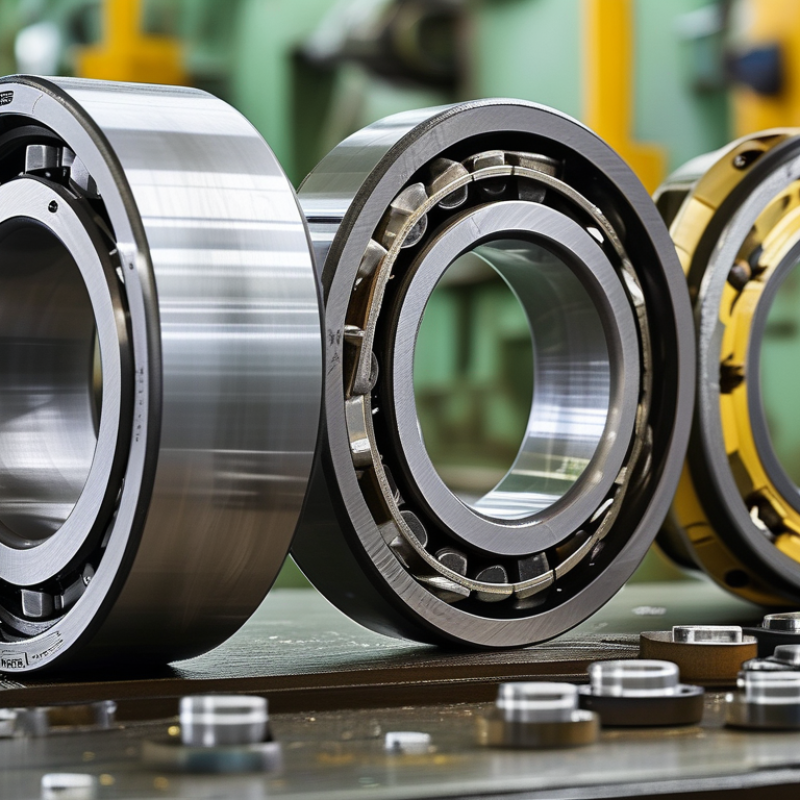
Axial bearings play a crucial role in the mechanics of machinery. These components are designed to support loads along the axis of rotation. They allow for smooth rotational movement and contribute to the overall efficiency of machinery. When installed correctly, axial bearings reduce friction and wear. This extends the life of the machine parts.
Understanding the function of axial bearings is essential for maintenance. They operate by facilitating axial movement while preventing misalignment. In many applications, bearings must tolerate high loads and speeds. Regular inspection is necessary to anticipate failures. Signs of wear can manifest as unusual noises or vibrations. Addressing these issues early can prevent costly downtime.
While axial bearings are essential, their selection requires careful consideration. The specific load capacities and environmental conditions are critical. Not all bearings fit all situations, and improper choices can lead to inefficiencies. Evaluating the operating environment can aid in deciding the best type for your needs. This awareness promotes responsible machine care and enhances equipment longevity.
The Role of Axial Bearings in Reducing Friction and Wear
Axial bearings play a crucial role in reducing friction and wear within machinery. They bear loads parallel to the shaft axis, which maximizes efficiency. A study by the American Society of Mechanical Engineers found that implementing axial bearings can reduce friction by up to 30%. This reduction significantly extends equipment lifespan and enhances productivity.
Friction is a major contributor to wear and tear. A report from the International Journal of Engineering reveals that machinery without axial bearings faces a 25% increase in wear rates. This leads to more frequent maintenance and replacement costs. By employing well-designed axial bearings, industries can mitigate these issues effectively.
However, not all axial bearings perform equally. Design flaws can lead to inefficiencies. Some bearings may not distribute load evenly, causing unexpected failures. Regular assessment of axial bearing condition is essential to maintain optimal performance. Machinery operators must remain vigilant to ensure longevity and efficiency.
Importance of Axial Bearings in Machinery Efficiency
This bar chart illustrates the reduction in friction and wear in machinery when using axial bearings compared to other bearing types. The data indicate significant improvements in efficiency.
Types of Axial Bearings and Their Applications in Machinery
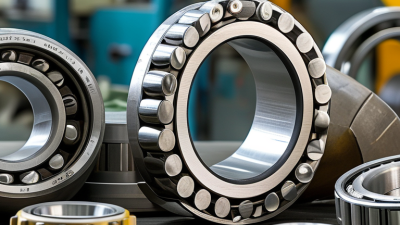
Axial bearings play a vital role in the machinery industry. They are designed to support loads acting along the axis of a shaft. These bearings come in various types, each suited for specific applications. Common types include thrust ball bearings, cylindrical thrust bearings, and tapered roller bearings. Each type has distinct features contributing to their effectiveness in different settings.
Thrust ball bearings, for example, can handle axial load efficiently. They are often used in automotive applications, such as steering mechanisms. The simplicity of their design allows for easy installation and maintenance.
Cylindrical thrust bearings, on the other hand, provide high load capacities. These are typically found in industrial machinery that requires robust support. Tapered roller bearings excel in applications with both radial and axial loads. They are widely utilized in heavy-duty machinery.
Despite these advantages, challenges can arise. Misalignment or improper installation can affect bearing performance. Frequent inspection and maintenance are crucial for ensuring longevity. Understanding the specific requirements of each application is essential to select the right axial bearing. This attention to detail can significantly enhance machinery efficiency.
Key Advantages of Using Axial Bearings for Operational Efficiency
Axial bearings play a crucial role in enhancing the efficiency of machinery. These components excel in handling axial loads, providing stability under high-pressure conditions. By allowing parts to move smoothly along an axis, they minimize friction. This reduction is vital for maintaining optimal performance in rotating equipment. Efficient lubrication is another benefit, contributing to prolonged machinery lifespan. As a result, companies can enjoy lower maintenance costs and fewer downtimes.
The implementation of axial bearings can also improve energy efficiency. When machinery operates smoothly, energy consumption decreases. However, improper selection of bearings can lead to issues. For instance, choosing a bearing without considering load and speed can result in premature wear. Companies must pay careful attention to specifications during selection. This oversight can ultimately affect operational efficiency, undermining all potential benefits.
Incorporating axial bearings into design processes offers significant advantages. Nonetheless, understanding the specific requirements of the application is critical. Engaging with engineering professionals can provide insights into the best practices for usage. This approach can foster better decision-making and lead to improved performance outcomes. It's beneficial to continuously evaluate the effectiveness of these components throughout their lifecycle.
Why Axial Bearings Are Essential for Efficient Machinery? - Key Advantages of Using Axial Bearings for Operational Efficiency
| Advantage |
Description |
Impact on Efficiency |
| High Load Capacity |
Axial bearings are designed to handle high axial loads while maintaining stability. |
Increases the durability and life of machinery components. |
| Reduced Friction |
They provide lower friction between moving parts, leading to smoother operation. |
Enhances efficiency by minimizing energy loss during operation. |
| Space Saving Design |
Axial bearings require less space compared to traditional bearings. |
Allows for more compact machinery designs, optimizing floor space. |
| Versatility |
Suitable for various applications, including automotive, aerospace, and industrial machinery. |
Facilitates adaptation to different operational environments. |
| Ease of Maintenance |
Designed for easy access and replacement, reducing downtime. |
Improves overall operational efficiency by minimizing maintenance time. |
Maintenance Best Practices for Longevity of Axial Bearings
Proper maintenance of axial bearings is crucial for their longevity and efficiency. Regular lubrication is essential, ensuring that the bearings remain operational without excessive wear. Using the right lubricant promotes smooth movement and reduces friction. It’s important to monitor lubricant levels and replace them periodically.
Another best practice is to conduct routine inspections. Check for signs of wear or damage, such as corrosion or deformation. Early detection can prevent costly breakdowns. Ensure that the bearings are properly aligned during installation. Misalignment can lead to premature failure or inefficient operation.
Cleaning is also vital. Dust and debris can compromise the efficiency of axial bearings. Using appropriate cleaning agents helps maintain their performance. However, care should be taken not to use harsh chemicals that could cause further damage. Regular maintenance creates a reliable operation and extends the life of axial bearings.