Top Types of Roller Bearings Explained?
Roller bearings play a vital role in various industrial applications. They reduce friction and improve efficiency in machinery. According to a report by Grand View Research, the global roller bearings market was valued at over $12 billion in 2020. This market is expected to grow significantly as demand increases across sectors like automotive and manufacturing.
Understanding the key types of roller bearings is essential for professionals. They come in several forms, each with unique functions and specifications. For instance, cylindrical and tapered roller bearings are known for their load-bearing capacity. However, selecting the right type can be challenging. Misalignment or improper selection can lead to premature wear or failure, negatively impacting operations and costs.
As industries evolve, the complexity of machinery increases. Engineers must stay updated on bearing technologies and innovations. This ensures optimal performance and longevity. With advancements in materials and design, there is much to explore. The importance of roller bearings cannot be overstated, as they remain crucial in enhancing productivity and efficiency across multiple domains.
Overview of Roller Bearings and Their Applications in Industry
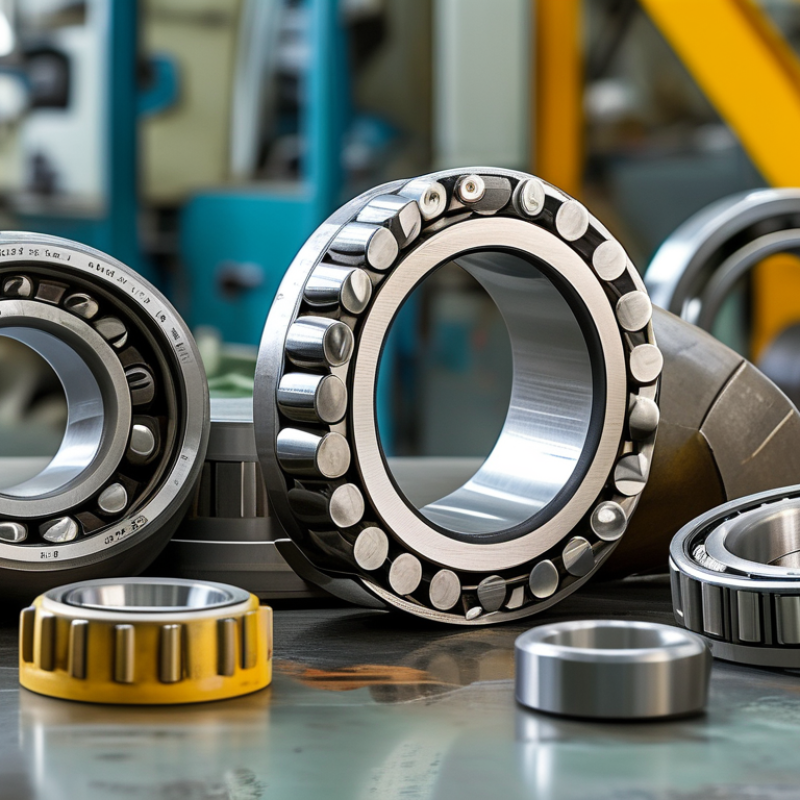
Roller bearings play a crucial role in various industrial applications. They are designed to reduce friction between moving parts. Typically, they support radial and axial loads, enhancing machine efficiency. According to a recent industry report, the global roller bearing market is projected to reach $95 billion by 2026. This growth highlights their importance in manufacturing and maintenance sectors.
Different types of roller bearings serve unique purposes. Cylindrical and spherical roller bearings are popular in heavy machinery. They can handle substantial loads and provide excellent stability. In contrast, tapered roller bearings are often used in automotive applications. They manage axial and radial loads simultaneously. However, misalignment can affect performance and lead to premature failure. Regular maintenance is essential for maximizing their lifespan.
Roller bearings are integral in sectors such as automotive, aerospace, and construction machinery. Their efficiency can significantly impact overall productivity. The automotive industry alone accounts for nearly 40% of the roller bearing market share. Despite their advantages, challenges exist, like the precision required in installation. Even minor errors can cause significant issues down the line. Therefore, understanding their applications is vital for engineers and technicians alike.
Deep Groove Ball Bearings: Versatility and Load-Capacity Insights
Deep groove ball bearings are known for their versatility. They can handle both radial and axial loads. This makes them suitable for various applications. From electric motors to household appliances, their usage is widespread. These bearings have deep raceways, allowing for greater load capacity. This design enables them to accommodate different speeds and loads effectively.
Their load capacity is an essential feature. When selecting deep groove ball bearings, it is crucial to consider the bearing's load ratings. Overloading can lead to premature failure. Understanding the operating conditions is vital for optimal performance. This ensures the bearings are not pushed beyond their limits.
While deep groove bearings are reliable, some issues may arise. Improper installation can result in misalignment. This can lead to increased wear. Regular maintenance and inspection help identify potential problems early. By doing so, you can prevent significant failures and ensure a longer service life. Engaging with experienced professionals can provide valuable insights. They can assist in making informed decisions about bearing selection and maintenance.
Cylindrical Roller Bearings: Achieving High Radial Load Performance
Cylindrical roller bearings are designed for high radial load performance. These bearings consist of cylindrical rollers arranged parallel to the shaft. This design allows for a larger contact area, promoting efficient load distribution. They are especially suitable for applications where heavy loads and high speeds are prevalent, such as in automotive and industrial machinery.
The unique construction of cylindrical roller bearings minimizes friction, enhancing overall performance. However, they may require careful alignment and maintenance. Misalignment can lead to premature wear and potential failures. Additionally, while they excel in radial loads, their ability to handle axial loads is limited compared to other types. This aspect is vital when deciding on the right bearing for specific applications.
Their adaptability makes them a popular choice. They can be found in various machinery and vehicles, contributing to efficiency. Still, users must remain aware of their limitations. Regular inspections and maintenance are essential to ensure optimal performance. Understanding these aspects helps in achieving the best outcomes while using cylindrical roller bearings.
Performance Comparison of Cylindrical Roller Bearings Under Different Radial Loads
Spherical Roller Bearings: Managing Misalignment and Heavy Loads
Spherical roller bearings play a crucial role in heavy machinery where misalignment can occur. These bearings are designed to accommodate both radial and axial loads. According to a report by the American Bearing Manufacturers Association (ABMA), up to 70% of bearing failures are due to misalignment. This data highlights the need for reliable solutions such as spherical roller bearings.
One key feature of these bearings is their ability to self-align. This means they can adjust to changes in shaft or housing alignment, which often happens in industrial applications. They have an innovative design that allows them to carry heavy loads while maintaining performance. Research shows that they can support radial loads of up to 45,000 pounds.
In industries like mining and construction, the durability of spherical roller bearings is vital. They can operate effectively even in harsh environments. However, misalignment still poses challenges. Regular inspections are necessary to ensure optimal performance. Not addressing alignment issues can lead to increased wear and potential failures. Balancing these factors is essential for improving reliability and longevity in heavy-load applications.
Tapered Roller Bearings: Essential Design for Axial and Radial Loads
Tapered roller bearings are crucial in modern machinery.
Their design accommodates both axial and radial loads, making them versatile.
They feature an inner and outer race, with tapered rollers in between. This unique shape allows these bearings to handle high shock loads.
According to industry reports, tapered roller bearings are optimized for applications in automotive and aerospace sectors.
They can carry heavier loads compared to cylindrical bearings. In fact, studies show they can manage a radial load capacity increase of up to 30%.
This makes them preferred for gearboxes and wheel hubs.
Despite their advantages, tapered roller bearings do have limitations.
Proper alignment is essential for optimal performance.
Even slight misalignment can lead to premature wear. Additionally, their installation requires precision.
If misfitted, they might not perform to their full potential.
Continuous monitoring and maintenance are critical.
Hence, while they are effective in load management, their installation and upkeep should not be overlooked.