Why Choose a Tapered Bearing for Heavy Loads?
Choosing the right bearing for heavy loads can determine whether machinery runs smoothly or fails under pressure. A tapered bearing is designed to handle combined radial and axial loads, making it common in truck hubs, gearboxes, construction equipment, and industrial conveyors. Its tapered rollers transfer force through defined contact lines, helping support substantial loads while maintaining controlled rotation.
In practical applications, the advantage becomes visible at the worksite. A properly adjusted bearing can keep a loaded wheel hub stable, even when shock loads travel through uneven ground. However, performance depends on more than the bearing’s shape. Engineers must check load ratings, shaft dimensions, operating speed, temperature, lubrication, and housing stiffness. Incorrect preload may create heat, while excessive clearance can cause vibration and uneven wear. Small installation errors matter.
That confidence has limits. A tapered bearing is not automatically the best choice for every heavy-duty system. Misalignment, contamination, or poor maintenance can shorten its service life quickly. Experienced technicians inspect raceways, measure endplay, and follow manufacturer guidance rather than relying on appearance alone. Industry standards and verified catalog data also support safer decisions, but real operating conditions still require judgment. The best selection combines calculated capacity with field experience, regular inspection, and honest review of past failures. Heavy loads demand evidence, not assumptions.
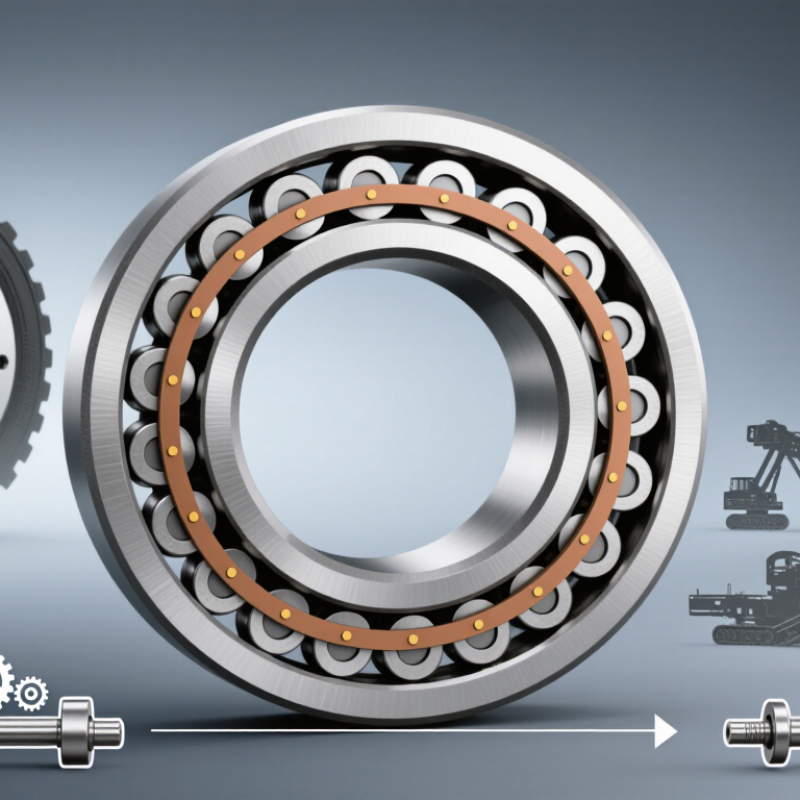
Tapered Bearing Design and Its Role in Heavy-Load Support
A tapered bearing uses inner and outer raceways shaped like cones. Its rollers meet the raceways at angled contact lines. This design lets the bearing handle radial loads and axial loads together. The larger the contact angle, the greater its axial-load capacity. However, higher capacity can increase friction and operating temperature.
In heavy machinery, load direction often changes during operation. A tapered bearing guides the shaft while resisting thrust from gears, wheels, or screw mechanisms. Its geometry spreads force across several rollers instead of concentrating it at one small area. Proper adjustment is essential. Excessive preload creates heat, while too much clearance allows vibration and uneven wear. During installation, clean surfaces and accurate seating matter as much as the bearing specification.
Small details decide service life. Very small details.
In field inspections, I have found damaged bearings linked to poor lubrication, misalignment, and incorrect tightening. A strong bearing cannot compensate for a bent shaft or contaminated grease. Load calculations should include shock, speed, temperature, and duty cycle. Static capacity alone may give false confidence. Even a careful design deserves review after real operation begins, because actual loads rarely follow a perfectly steady pattern.
Why Choose a Tapered Bearing for Heavy Loads?
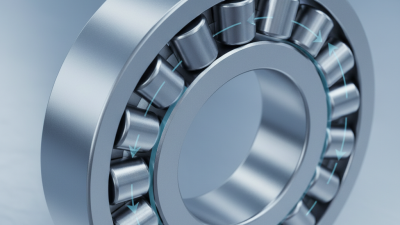
Tapered roller bearings support combined radial and axial loads through their tapered raceways and rollers.
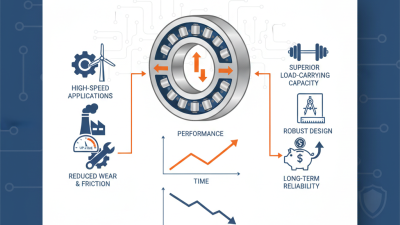
The chart shows the calculated basic rating life under increasing equivalent load, using the ISO 281 roller-bearing relationship
L10 = (C/P)10/3 × 106 revolutions.
The calculation assumes a generic dynamic load rating of 100 kN and does not represent any specific manufacturer or product.
As the applied load approaches the bearing rating, predicted fatigue life decreases sharply.
How Tapered Bearings Distribute Radial and Axial Forces
Why Choose a Tapered Bearing for Heavy Loads?
Tapered bearings are designed for combined radial and axial forces. Their rollers contact the raceways at an angle. This geometry changes how force travels through the bearing. Radial load pushes downward, while the angled rollers create an internal axial reaction. The cone and cup guide these forces toward a shared apex. Load paths become easier to control.
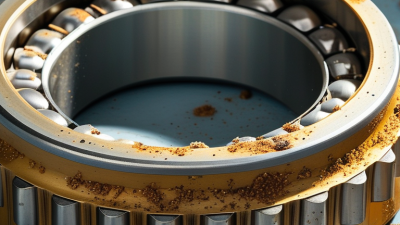
The contact angle matters. A larger angle generally improves axial-load capacity, but it can increase friction and heat. Two opposed bearings can support axial forces in both directions. Preload then removes unwanted clearance, though excessive preload may shorten service life. It is a careful balance. Field inspections often reveal uneven wear near the large roller ends. That pattern may indicate misalignment, poor lubrication, or excessive axial loading.
ISO 281:2007 defines the basic rating life, L10, as the life reached by 90% of identical bearings under stated conditions. For roller bearings, the life exponent is 10/3 in the equation
L10 = (C/P)10/3.
Here, C is the dynamic load rating, and P is the equivalent dynamic bearing load. A small increase in P can therefore reduce calculated life sharply. The method is useful, but imperfect. It does not fully capture contamination, installation errors, or real temperature changes. Practical selection should compare the calculated load with measured operating conditions.
Factors to Consider When Selecting a Tapered Bearing
Why Choose a Tapered Bearing for Heavy Loads?
Selecting a tapered bearing requires more than checking the maximum load. Its angled rollers support combined radial and axial forces. This makes it suitable for wheel hubs, gearboxes, and industrial shafts. However, the correct choice depends on operating conditions.
Start with load direction, speed, shock, and required service life. ISO 281:2007 defines basic rating life at 90% reliability. That benchmark is useful, but it does not predict every field failure. Contamination, poor alignment, and incorrect preload can reduce life sharply. ISO 15243:2017 identifies surface distress, wear, and lubrication damage as common failure modes. I would not trust catalog life alone. Real machines are less tidy.
Temperature also matters. High heat reduces lubricant performance and may change internal clearance. Check the grease or oil rating, shaft fit, housing stiffness, and sealing method. A bearing exposed to dust needs stronger protection than one inside a clean gearbox. Cost matters, but replacement downtime may matter more.
Tips: Measure actual loads when possible. Include shock factors. Confirm axial direction. Follow the manufacturer’s mounting torque and adjustment procedure. After installation, monitor vibration, temperature, and noise. A small temperature increase can be an early warning. One detail is easy to miss: excessive preload can create heat, while loose adjustment can cause uneven roller contact. Recheck the design after field testing, because assumptions often fail.
Proper Installation and Maintenance for Reliable Performance
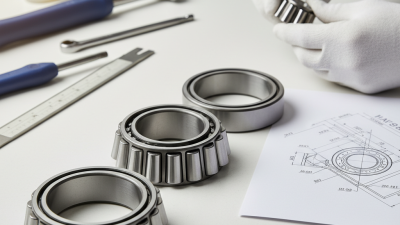
Tapered bearings handle heavy radial and axial loads when their rollers are aligned correctly. That advantage depends on careful installation. A bearing can look clean yet contain damaging dust. Use lint-free cloths and clean tools. Never hammer the ring directly. Press against the correct ring, or use a suitable installation sleeve.
Check the shaft and housing for scoring, burrs, and uneven wear. Measure critical surfaces instead of trusting appearance. The bearing must seat fully against its shoulder. Set internal clearance or preload according to the equipment manufacturer’s specification. Excessive preload creates heat. Too much clearance causes vibration and uneven load distribution. Tighten fasteners gradually and verify shaft rotation by hand. It should feel smooth, not gritty.
Maintenance should begin with observation. Record temperature, noise, vibration, and lubricant condition during normal operation. A sudden temperature rise may indicate poor lubrication or incorrect adjustment. Use compatible grease or oil, and avoid mixing products without technical confirmation. Keep seals intact and protect the bearing from water, metal particles, and abrasive dust. Relubrication intervals should reflect speed, load, temperature, and contamination, not a convenient calendar date. In field work, I have seen operators add grease to quiet a bearing, when adjustment was the real problem. That shortcut can hide damage. Recheck endplay after early operation, because components may settle slightly. Small oversights matter.