Why Choose a Micro Drill Hard Coating Machine?
A Micro-Drill Hard Coating Machine can help manufacturers apply a durable surface layer to small cutting tools. The goal is practical: reduce wear, maintain cutting edges, and support repeatable performance. In a workshop, those benefits show up in details—a cleaner hole, steadier tool life, and fewer early replacements. Results still depend on the drill material, coating choice, and process settings.
For a trustworthy technical perspective, David M. Mattox’s published work on physical vapor deposition is relevant to understanding coating processes. The following is an editorial paraphrase, not a verified quotation from him: “A coating’s performance depends on careful preparation and controlled processing.” That principle matters when coating micro-drills, where small differences in fixturing, temperature, or surface condition can affect the result. Details matter.
This introduction considers why a dedicated machine may suit micro-tool production, what process controls deserve attention, and where expectations should remain realistic. A hard coating cannot correct poor drill geometry or unsuitable cutting conditions. Nor does every application need the same coating or equipment configuration. Buyers should compare documented process capabilities, coating consistency, maintenance needs, and technical support. Ask for evidence, not only promises. Some choices remain a trade-off, and that deserves closer review before investment.
What Is a Micro Drill Hard Coating Machine?
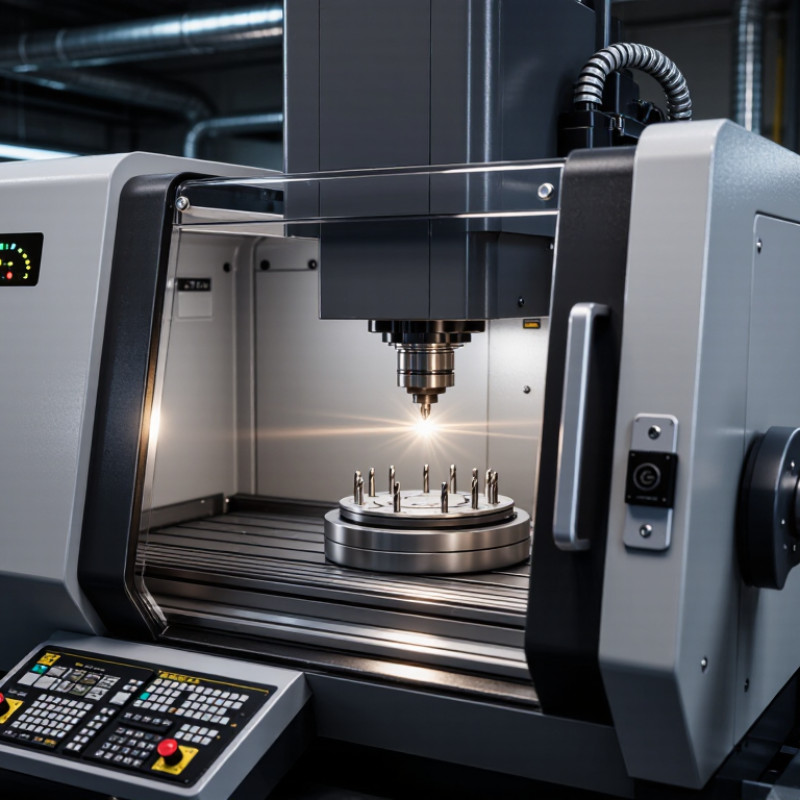
A micro drill hard coating machine is a vacuum system that deposits a thin, wear-resistant film onto small cutting tools. It typically uses plasma-assisted physical vapor deposition. Inside the chamber, controlled heat, reactive gases, and electrical energy help form the coating on each drill. The film may improve resistance to abrasion and heat during machining. It is very thin. That matters: a thick or uneven layer can change a micro drill’s cutting geometry.
The machine’s fixtures hold drills in place and expose their flutes and tips to the coating process. Chamber pressure, temperature, gas flow, and coating time all affect the result. Operators must balance coverage with the tool’s tiny dimensions. A coating that works well on one drill material or diameter may not suit another. Testing on sample tools is sensible. Even careful settings cannot remove every variation; small differences in positioning can leave uneven coverage. The machine is therefore more than a chamber with a power source. It is a controlled process that needs suitable preparation, monitoring, and inspection.
How Does the Micro Drill Coating Process Work?
A micro drill coating process begins with careful cleaning. Even a faint oil film can weaken adhesion. The drill is degreased, dried, and loaded into a vacuum chamber, where controlled heating and ion cleaning prepare its surface. A physical vapor deposition process then releases coating material from a target and forms a thin layer on the rotating tools. The setup matters: tiny flutes can shadow one another, so rotation and fixture spacing affect coverage.
For micro drills, coating thickness must stay modest. The ASM Handbook’s surface-engineering guidance describes PVD coatings as micrometre-scale layers; cutting-tool literature commonly reports roughly 1–3 μm for small tools. That range is a guide, not a universal recipe. Too much buildup can narrow a flute and change the cutting edge, while inadequate coverage may leave vulnerable areas exposed. After deposition, operators inspect thickness, adhesion, and edge condition, often using microscopy and coating tests described in technical standards such as ISO 20502. The awkward part is that a clean test coupon may not behave exactly like a fluted drill. Process tuning still needs real-tool trials.
What Benefits Does Hard Coating Provide?
A hard coating can change how a micro drill behaves under demanding cutting conditions. Its thin surface layer can resist abrasion, reduce friction, and slow edge wear. That matters. At tiny diameters, even slight wear can enlarge a hole or leave a rough wall. A durable coating may help the drill retain its geometry for more cycles, reducing tool changes and supporting consistent dimensions. Lower friction can also limit heat near the cutting edge when feeds, speeds, and coolant are properly matched.
A dedicated coating machine helps control layer thickness and coverage across small, delicate tools. Consistency is important: an uneven layer can affect cutting performance, while excessive thickness may blunt a fine edge. The right coating depends on the drill material, workpiece, and operating conditions; no coating solves every problem. Users can compare tool life, hole quality, and breakage rates under the same setup. Results may disappoint if runout, chip removal, or feed settings are poor. That part is easy to overlook. Coating can support tool life, but it cannot replace careful process control.
Which Factors Matter When Choosing a Machine?
Why Choose a Micro Drill Hard Coating Machine?
Which Factors Matter When Choosing a Machine?
Choosing a micro drill hard coating machine starts with the tools you actually produce. Check its usable chamber size, fixture design, and batch capacity. A crowded fixture can shadow drill flutes and create uneven coverage. Small details matter. Ask how the system controls temperature, vacuum, and coating thickness across a full load. These factors affect repeatability, especially when drills have narrow flutes or tiny cutting edges. Confirm that the machine supports the coating materials and process settings your applications require. A specification sheet alone may not reveal how easily operators can change recipes or identify process drift.
Look closely at spindle or fixture movement, loading access, and maintenance needs. A practical test run with representative drills can show whether parts stay separated and receive consistent treatment. Request measurable records, such as thickness readings from several positions, rather than relying only on appearance. Also consider training, service availability, and the time needed to clean the chamber between runs. Not every shop needs maximum capacity. A larger system may sit underused if production volumes are modest. It is easy to overvalue headline throughput; setup time and stable results often matter more. One limitation remains: even a capable machine cannot compensate for poor tool preparation or unsuitable process parameters. Factor those conditions into the evaluation.
Why Choose a Micro Drill Hard Coating Machine?
Which factors matter when choosing a machine? Start by checking that its process temperature suits the coating and the drill substrate.
Indicative process-temperature ranges vary by coating and recipe. For micro drills, also compare coating uniformity on flutes, fixture design, batch capacity, process control, and maintenance support. Confirm temperature limits and expected coating results with the machine supplier.
Where Are Micro Drill Hard Coating Machines Used?
Micro-drill hard-coating machines are used by carbide-tool manufacturers and specialist coating facilities. They coat the tiny drills used to make holes in printed circuit boards, including dense boards for phones, computers, and vehicle electronics. These tools also machine small features in watch components, medical-device parts, and precision aerospace hardware. The coating process can improve wear resistance and reduce friction, but results depend on the drill material, coating thickness, and cutting conditions.
The scale of electronics manufacturing helps explain the demand. The Semiconductor Industry Association, reporting 2024 figures from WSTS, recorded global semiconductor sales of $627.6 billion, up 19.1% from 2023. That figure is not a measure of micro-drill use; it reflects the expanding electronics sector that depends on accurately drilled components. A suitable coating machine must handle very small tools without uneven coverage or excessive heat. Even slight edge rounding can affect hole quality.
There is a catch. A harder coating is not automatically better: the wrong process may shorten tool life, and each application needs testing.