

nbc logo (2)
Office address
National Engineering Industries Ltd.
Khatipura Road Jaipur – 302006 Rajasthan, India
Phone Number

Toll Free: 1800 3000 6222
Telephone: +91 141 222 3221
Fax: +91 141 222 1926, 222 2259
CIN: U29130WB1946PLC013643

Why Are Adhesive Vents Waterproof?

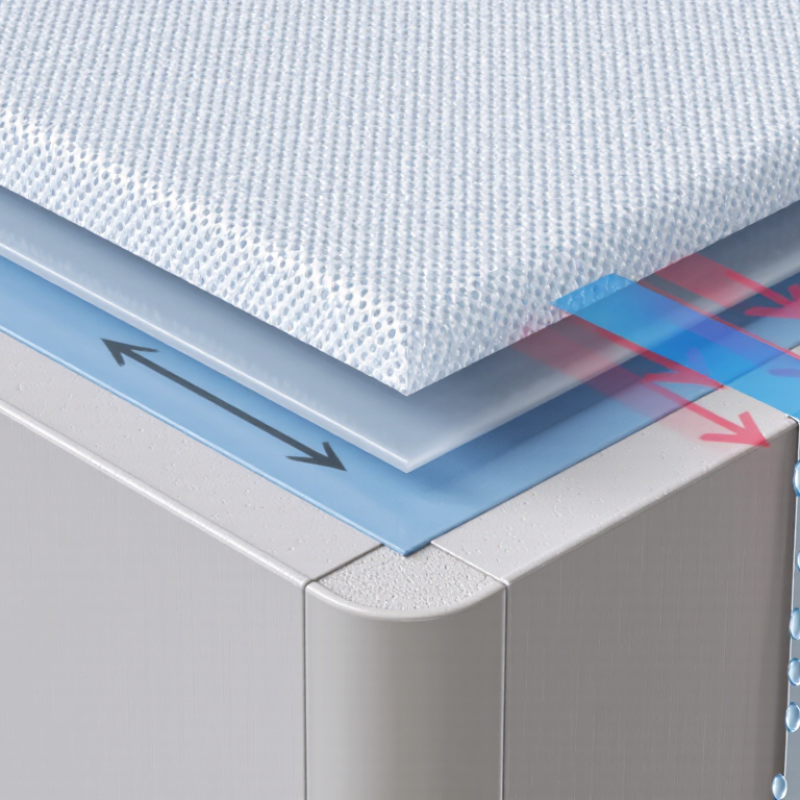
Why are adhesive vents waterproof, even when they let air move? The answer lies in a carefully engineered membrane. Many designs use hydrophobic microporous material, such as expanded PTFE. Its tiny pores allow air and water vapor to pass, while resisting liquid water under specified conditions. Surface tension helps keep droplets from entering. The membrane is not a solid plug. It helps balance pressure inside a sealed enclosure, reducing stress on covers and seals during temperature changes.

An Adhesive Vent Waterproof design also depends on its adhesive layer and the surface beneath it. A clean, dry, compatible surface supports a reliable bond. Even a small wrinkle, dust particle, or uneven edge can create a path for water. That detail is easy to overlook. Installation matters.

Performance depends on the complete assembly, not just the membrane. Water pressure, exposure time, temperature, chemicals, and aging can affect results. A product’s ingress rating applies only under stated test conditions; it does not promise protection in every environment. Check the manufacturer’s specifications, and test the finished enclosure when failure could damage equipment. Be cautious with assumptions. A vent that works on a flat laboratory panel may behave differently on a curved housing or rough coating. That limitation deserves honest attention. Understanding these factors explains how adhesive vents resist water while still allowing pressure equalization—and where their protection can end.
Why Are Adhesive Vents Waterproof?

What Adhesive Vents Are and How They Are Constructed

Why Are Adhesive Vents Waterproof?

What Adhesive Vents Are and How They Are Constructed

An adhesive vent is a compact component that lets air pass through an enclosure while helping block liquid water and dust. It typically combines a microporous, water-repellent membrane with a support layer, adhesive backing, and removable release liner. The adhesive ring bonds around a prepared opening; the membrane remains exposed to airflow. Tiny pores allow gas movement, while water’s surface tension helps resist droplets. The seal depends on the whole assembly, not the membrane alone. Poor placement, a scratched surface, or a wrinkled edge can create a leak path.

Ratings need context. IEC 60529 defines IPX7 testing as temporary immersion in water at a depth of up to 1 metre for 30 minutes. That figure describes a test condition, not a guarantee that every adhesive vent or finished product passes. Performance depends on vent design, bonding surface, pressure differences, and installation. Real-world testing matters.

Tips: Clean and dry the mounting area, press the adhesive evenly, and keep the membrane uncovered. Check edges and corners after installation. A small wrinkle can matter.

How Air and Vapor Pass Through the Vent Membrane

An adhesive vent can block liquid water while letting air and water vapor pass through its membrane. The key is the membrane’s tiny, connected pore structure and water-repellent surface. Water droplets cannot easily enter the pores under the vent’s rated conditions. Air, however, can move through them when pressure changes. Water vapor travels mainly by diffusion, moving from areas of higher vapor concentration to lower concentration. Not magic. Just carefully controlled material behavior.

Inside an enclosure, heating and cooling can create pressure differences. A vent helps equalize those changes without leaving a large opening exposed to rain. Its performance depends on the membrane, the adhesive bond, and the way the vent is installed. Heavy water pressure, dirt, oils, or a lifted edge may compromise protection. A membrane can remain intact while water slips past a poorly bonded perimeter. Edges matter. Also, “waterproof” describes performance under specified test conditions, not protection from every situation.

Tips: Check the vent’s pressure and water-resistance ratings against the actual environment. Apply it to a clean, dry surface, and press the full adhesive perimeter firmly into place. If the enclosure faces frequent spray or condensation, inspect the bond periodically; installation details are easy to underestimate.

How the Membrane Blocks Liquid Water

Adhesive vents use a microporous membrane to let air move while resisting liquid water. Its pores are far smaller than a visible droplet, and the membrane’s water-repelling surface makes it difficult for liquid to enter. Air can still pass through the connected pores when pressure changes. That distinction matters.

Picture rain striking a small vent on an outdoor enclosure. Water beads on the membrane instead of flowing through it, while pressure inside the enclosure can gradually equalize. The result depends on the membrane’s pore structure, material, and water-entry pressure. It is not simply a screen with tiny holes. Small details count.

The adhesive perimeter is equally important. If the bond is uneven, or the mounting surface is dusty, water may travel around the membrane rather than through it. I would not treat “waterproof” as unlimited protection: strong water pressure, prolonged immersion, aging, or physical damage can exceed a vent’s rating. Check the specified test conditions for the intended installation. In practice, a clean surface and careful edge placement can matter as much as the membrane itself.

How the Adhesive Layer Seals the Vent to a Surface

An adhesive vent uses two different barriers. The membrane allows air and pressure to pass while resisting liquid water. The adhesive layer seals the membrane’s edge against the product surface. Without that edge seal, water can travel behind the vent, even if the membrane itself remains intact.

A continuous bond is essential. The surface should be clean, dry, and free of dust, oil, and loose coatings. When pressed into place, the adhesive needs to conform to small surface irregularities without leaving channels. No open paths. Corners and curved edges deserve attention; a wrinkle or lifted section can become an entry point. In practice, this detail is easy to underestimate.

Adhesive performance also depends on the surface material, temperature, and exposure conditions. A bond that feels secure during installation may weaken if the surface is rough, contaminated, or repeatedly flexed. Check that the vent and adhesive suit the application, and follow the specified placement and pressure guidance. Waterproof does not mean indestructible. Prolonged water pressure, aging, or poor installation can still compromise the seal.

What Factors Affect Waterproof Performance and Its Limits

Why Are Adhesive Vents Waterproof?

Adhesive vents resist water through two cooperating parts: a water-repellent membrane and a sealed adhesive perimeter. The membrane’s tiny pores allow air and pressure to pass while blocking liquid water under specified test conditions. The adhesive prevents water from sneaking around the edges. Both parts matter. A breathable membrane cannot compensate for a lifted corner or a poorly prepared surface.

Waterproof performance depends on more than the vent itself. Surface texture, dust, oil, moisture, and application pressure can weaken the bond. A vent attached to a clean, flat panel may perform differently from one placed over a seam or curved edge. That matters. So do water pressure, exposure time, temperature changes, and repeated flexing. In use, inspect edges and follow the product’s installation instructions rather than assuming every adhesive will seal every material.

The limits are easy to overlook. “Waterproof” usually describes performance within defined conditions, not permanent protection against every spray, immersion, or aging process. Adhesives can lose grip, and membranes can become obstructed or damaged. Not forever. I used to think a strong adhesive alone meant a stronger seal; that is an incomplete way to judge it. The whole assembly, its surface, and its exposure determine how well it holds up.

Why adhesive vents are waterproof: A hydrophobic microporous membrane resists water entering its pores while allowing air to pass. The chart shows an idealized capillary-pressure estimate: smaller pores resist greater water pressure. Real-world performance also depends on membrane pore distribution, adhesive bond integrity, exposure time, contamination, and damage. These theoretical values are not product ratings; leaks may occur at lower pressures.