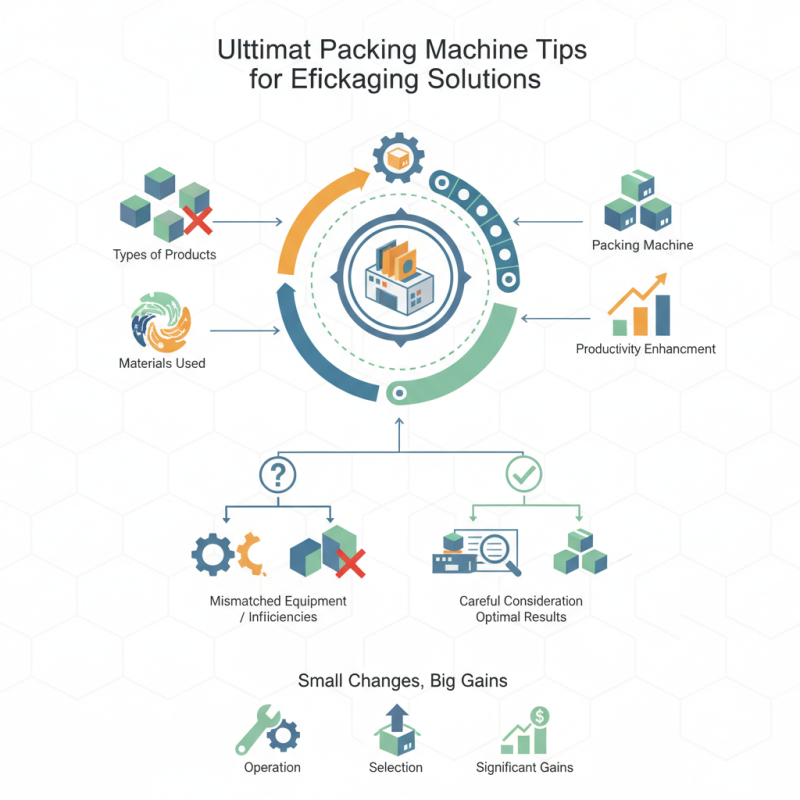
Ultimate Packing Machine Tips for Efficient Packaging Solutions?
In the fast-paced world of packaging, utilizing an efficient Packing Machine can greatly enhance productivity. Many businesses overlook the nuances of selecting and operating these machines. A packing machine does not merely automate processes; it is an investment in your workflow.
Choosing the right packing machine requires careful consideration. You must assess the types of products you handle. Understanding the materials used is essential, as different machines suit various tasks. Inefficiencies often arise from mismatched equipment. This oversight can lead to increased costs and wasted materials.
Reflecting on your current packaging solutions can reveal flaws in your strategy. Are you using the best technology available? Is your packing machine delivering optimal results? Engaging with these questions opens the door to improvement. Small changes in operation and selection can lead to significant gains in efficiency.
Understanding the Basics of Packing Machines and Their Functions
Packing machines are essential tools for businesses seeking efficient packaging solutions. Understanding their basic functions can lead to improved productivity. These machines automate the packaging process, reducing labor costs and increasing output speed. From filling and sealing to labeling, each function plays a crucial role in the workflow.
When using packing machines, there are a few vital tips to consider. Ensure your machine is properly calibrated. Misalignment can lead to product waste. Regular maintenance checks are also essential. Neglecting this can result in unexpected downtimes. Lastly, training your staff is often overlooked. Machine errors can occur if operators are not well-informed.
In addition, always assess your packaging materials. The wrong choice can slow down your process. It’s worth investing in quality supplies, even if it means altering your budget. Be open to feedback from your team. They may see issues that you overlook. Embracing these insights can lead to better efficiency.
Efficient Packaging Solutions: Packing Machine Types and Their Usage
Key Factors to Consider for Selecting the Right Packing Machine
When selecting the right packing machine, multiple factors come into play. Start by assessing the specific needs of your business. What types of products do you handle? The packaging requirements will vary significantly based on item size, shape, and fragility. A machine that works for one product may not suit another. This mismatch can lead to inefficiencies.
Consider the machine's speed capacity. It should align with your production goals. A fast machine may seem ideal, but can it handle your products carefully? Overworking machines can lead to unexpected breakdowns. Maintenance is crucial: regular checks keep equipment running smoothly. Skipping these can be costly.
Evaluate the machine's versatility as well. Can it switch between different tasks easily? A machine that is too specialized might limit your future options. Additionally, think about the support available. Manufacturer backing is vital for troubleshooting. Without proper assistance, you could face downtime. Balancing these factors can be challenging. Reflect on your own systems and think critically about your choices.
Strategies for Optimizing Packing Machine Performance and Efficiency
Optimizing packing machine performance is crucial for businesses aiming to improve efficiency. Recent industry reports indicate that inefficient packing processes can lead to a loss of up to 30% in productivity. Adjustments in machine settings can significantly impact output. Regularly calibrating your equipment ensures precise packing, which is key in reducing waste and downtime.
Another strategy involves regular maintenance. Reports suggest that nearly 40% of packing machines experience unplanned downtime due to lack of upkeep. Scheduling routine checks and addressing minor issues can prevent larger malfunctions. Operators should be trained to recognize signs of wear and tear to maintain consistency.
Lastly, consider the layout of your packing station. A poorly organized workspace can waste time and resources. Studies reveal that optimizing the flow of materials can increase throughput by as much as 20%. An efficient layout not only speeds up packing operations but also boosts employee morale by creating a more manageable environment.
Common Challenges in Packing Processes and Their Solutions
Packaging processes come with various challenges. One common issue is inconsistent packing quality. This can lead to damaged products or unhappy customers. Regular training for staff can help maintain standards. However, training alone may not fix all problems. Sometimes, equipment malfunction can disrupt the workflow. Regular maintenance checks are crucial. Yet, even with checks, unexpected breakdowns can occur.
Another challenge is improper inventory management. Overpacking or underpacking can happen easily. It’s vital to keep an accurate count of materials. Using an automated system might help, but even technology has its flaws. Occasionally, systems can miscount or crash. Keeping manual logs as a backup can alleviate these errors.
Lastly, communication breakdowns can derail the packing process. Teams may have different understandings of packing requirements. Clear, concise instructions are essential. Still, no matter how clear the communication, misunderstandings can arise. Periodic team meetings can promote better alignment. However, they also take time, and time is often scarce. Balancing efficiency with communication is an ongoing struggle in the packing industry.
Ultimate Packing Machine Tips for Efficient Packaging Solutions - Common Challenges in Packing Processes and Their Solutions
| Challenge | Description | Solution | Benefits |
| Product Damage | Items can get damaged during the packing and shipping process. | Use cushioned packaging materials and improve handling procedures. | Reduces product returns and maintains customer satisfaction. |
| Inefficient Workflow | Bottlenecks can occur due to poor packing processes. | Implement automation tools and streamline operations. | Improves packing speed and reduces labor costs. |
| Inconsistent Packing | Different staff may pack items differently leading to inconsistencies. | Standardize packing procedures and conduct training sessions. | Ensures uniformity and enhances brand image. |
| Inadequate Space | Limited workspace can lead to clutter and inefficiency. | Optimize layout and utilize vertical space for storage. | Maximizes productivity and minimizes downtime. |
| High Labor Costs | Labor-intensive packing can drive up operational costs. | Invest in automated packing machines. | Reduces costs and allows staff to focus on higher-value tasks. |
Maintaining Packing Machines for Longevity and Reliability
Maintaining packing machines is crucial for longevity and reliability. Proper maintenance can extend the life of equipment significantly. A study by the Packaging Machinery Manufacturers Institute revealed that regular upkeep reduces downtime by up to 30%. This means fewer disruptions and lower costs.
Perform frequent inspections. Check for wear and tear, especially in moving parts. Replace components before they fail. Ensure that lubrication is adequate, as it prevents overheating. According to industry standards, machines should be serviced every 500 hours of operation.
Tip: Create a maintenance schedule. Assign specific tasks to staff. This ensures accountability and consistency. It is also vital to train operators on the best practices for using machines. Improper handling can lead to unexpected breakdowns. Regular training keeps everyone informed about new techniques and safety protocols.
Monitoring performance metrics can provide insights. Look for changes in efficiency or output. If productivity drops, investigate immediately. This proactive approach can help catch issues before they escalate. Keeping machinery in peak condition is not just about saving time. It's about creating a culture of reliability and performance.