What Are the Top Types of PE Gloves in 2026?
Pe Gloves may look simple on a supply shelf, but their thickness, surface, and fit change how they perform. In 2026, buyers will commonly compare embossed HDPE, smoother LDPE, and chlorinated polyethylene (CPE) gloves. Each serves different needs. Embossed HDPE suits quick, frequent changes in food service and cleaning. LDPE often feels softer and offers more flexibility for light-duty tasks. CPE’s textured surface can improve grip when handling damp items.
Market figures need careful interpretation. Grand View Research estimated the global disposable gloves market at about US$13.6 billion in 2023, with projected growth through 2030. That report covers disposable gloves broadly, not polyethylene gloves alone. It signals wider demand, but it cannot tell buyers which PE glove type will work best in a particular setting. Fit, thickness, cuff length, surface texture, and task duration still matter. A glove that tears while lifting a wet takeaway container is not a bargain.
Good glove selection also depends on safe use. WHO infection-prevention expert Dr. Benedetta Allegranzi has said, “Hand hygiene is the most important measure to avoid the transmission of harmful germs and prevent health care-associated infections.” Her guidance concerns hand hygiene, not a specific PE glove type, but the distinction matters: gloves do not replace clean hands. This guide compares the leading options, their practical strengths, and the trade-offs buyers should check before ordering. No single type wins every task.
Flat PE Gloves for Basic, Short-Term Use
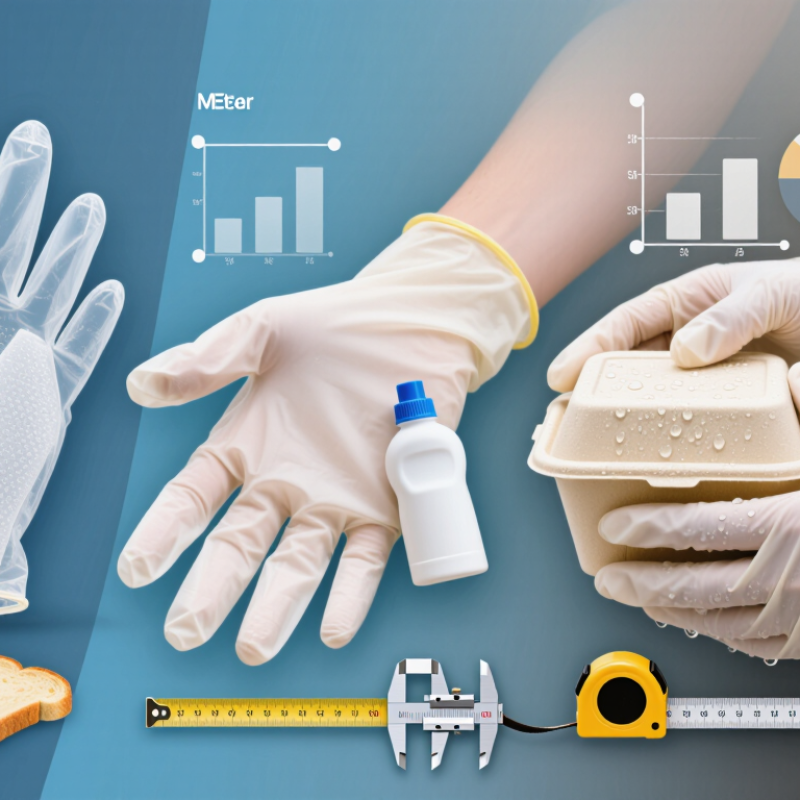
Flat polyethylene (PE) gloves are a practical choice for brief, low-mess tasks. Their loose, flat-cut shape slips on quickly over clean, dry hands. Thin, often transparent film makes labels and small items easy to see. At a bakery display, deli counter, or craft table, they can reduce direct hand contact during quick handling. They are not built for long shifts. The film may tear at the fingertips, and a roomy fit can reduce dexterity. That trade-off matters when handling coins, twist ties, or tiny parts.
Choose gloves by task, not appearance. Check the package for size range, intended use, and material details; film thickness varies. For damp items, the smooth surface may feel slippery, so test a sample with the actual products and tools. Replace a glove if it tears or becomes visibly soiled. Flat PE gloves are not a universal barrier; avoid relying on them around heat, sharp edges, or substances unless the product information supports that use. I still find the loose cuff annoying.
Tips: Keep a box near the work area. Store it dry, and check glove fit before handling delicate items.
Embossed PE Gloves for Better Grip
Among PE glove types worth considering in 2026, embossed gloves stand out for everyday tasks that need a steadier hold. Their raised dots or diamond patterns add texture to the palm and fingers. That texture can help when handling a damp produce bag or a smooth plastic container. Grip matters. Embossing may improve control, but it does not make a glove cut-resistant or suitable for every task. Check the product’s intended use and fit.
Tips: Try gripping a clean, dry container, then a slightly damp one. Notice whether the glove bunches at the fingertips. Choose a size that lets you move comfortably without pulling the cuff tight.
Embossed PE gloves are often selected for quick changes during food preparation, light cleaning, or other short tasks. A loose fit can make fine movements awkward, while a tight fit may strain the seams. The texture can also vary between products, so appearance alone is not a reliable measure of grip. Compare the glove in the conditions you expect to use it. I would not assume deeper embossing always works better; moisture, surface shape, and hand movement all matter.
What Are the Top Types of PE Gloves in 2026? — Embossed PE Gloves for Better Grip
PE glove films can use different polyethylene resin families. The chart compares typical resin density ranges; embossed and smooth describe surface finishes, not resin types.
Embossing adds a textured surface that can improve grip compared with smooth film. Density varies by resin grade and does not by itself indicate a glove’s grip or overall performance.
HDPE Gloves for Lightweight, Cost-Effective Tasks
HDPE gloves remain a practical PE glove choice in 2026 for quick, low-risk tasks. Their thin, lightweight film slips on easily and helps keep frequent glove changes simple. In a busy deli, for example, staff can use them for brief handling tasks without the bulk of heavier gloves. They are often cost-effective when gloves are changed regularly. Still, a low price does not make every glove suitable for every job.
HDPE gloves usually offer less stretch and a looser fit than thicker alternatives. That can make delicate work awkward; small items may slip between the fingers. Check that the glove covers the hand comfortably and stays intact during the task. Use them only where their intended level of protection is appropriate. They are not a substitute for gloves specified for chemical exposure, sharp objects, or other higher-risk work. Fit and task matter.
Tips: Keep gloves dry and store them away from heat and direct sunlight. Replace torn or visibly soiled gloves, and wash hands between changes. A quick fit check helps. Don’t assume “disposable” means suitable for every use.
What Are the Top Types of PE Gloves in 2026? - HDPE Gloves for Lightweight, Cost-Effective Tasks
Selection note: Choose a glove based on the task, fit, grip, and applicable food-contact or workplace requirements. Disposable PE gloves are generally intended for light-duty use and are not suitable for every chemical, medical, or high-risk application.
LDPE Gloves for Greater Flexibility and Comfort
What Are the Top Types of PE Gloves in 2026?
LDPE Gloves for Greater Flexibility and Comfort
LDPE gloves suit quick, light-duty tasks where easy movement matters. Their softer film generally bends more readily than HDPE, and the looser fit helps hands slide in and out. Think of wiping a counter or handling packaged ingredients: fingertips can move without the glove feeling tightly stretched. Still, LDPE is not a substitute for a close-fitting glove during delicate work. Loose material may bunch at the fingertips. That can be frustrating.
Grand View Research’s 2024 disposable gloves market report estimated the global market at USD 13.5 billion in 2023, with a projected 4.7% annual growth rate through 2030. This broad market figure does not measure comfort or prove LDPE is best. It does show why buyers should match glove design to the task, not just price.
Tips: Check the glove’s size and film feel before ordering in bulk. Stretch it gently across the palm; it should flex without tearing or pinching. For repeated handling, try a short wear test and note sweaty palms, cuff slippage, and fingertip control. A small flaw in fit can matter more than expected.
CPE Gloves for Added Strength and Textured Grip
What Are the Top Types of PE Gloves in 2026?
CPE Gloves for Added Strength and Textured Grip
CPE gloves are a practical PE option when a little more structure matters. Their cast polyethylene film often feels sturdier than thinner, smoother styles. Many have an embossed surface that adds friction when handling cups, produce, or lightweight packaging. That small texture can make items easier to hold. It is not a guarantee of grip, especially around oils or plenty of water.
In everyday work, CPE gloves suit brief, light-duty tasks where quick changes are useful. The added thickness may help them resist ordinary stretching and tearing better than very thin PE gloves. Still, fit matters: loose fingers can catch on objects, while tight cuffs may strain during movement. Try a sample while doing the actual task, not just by stretching it in your hand.
More material does not make a glove puncture-proof or suitable for every job. Check for tears before use, and replace a glove that becomes damaged or heavily soiled. Hand hygiene still matters. It is easy to focus on thickness and overlook comfort; after a long shift, a glove that feels bulky may slow careful work. Choose based on the task, and treat “stronger” as a relative advantage, not a promise.