Top 10 Pneumatic Actuator Components for Global Buyers?
Pneumatic Actuator Components play a crucial role in numerous industrial applications. The global market for these components is projected to reach $15 billion by 2025, driven by advancements in automation technology. The demand for precise control in manufacturing processes is fueling growth. According to a recent report by MarketsandMarkets, pneumatic actuator components enhance efficiency and reduce operational costs.
These components typically include valves, cylinders, and control systems. Each part is essential for ensuring optimal performance and reliability. Quality control of these components is vital, as even minor defects can lead to significant failures. Industry leaders emphasize the necessity of rigorous testing and standards compliance.
Despite the positive growth trends, challenges remain. For instance, sourcing high-quality materials can be difficult. Counterfeit products frequently enter the market. Buyers must remain vigilant and conduct thorough research. Understanding the intricacies of pneumatic actuator components is key to making informed purchasing decisions. This article aims to highlight the top components and their importance in the global market.
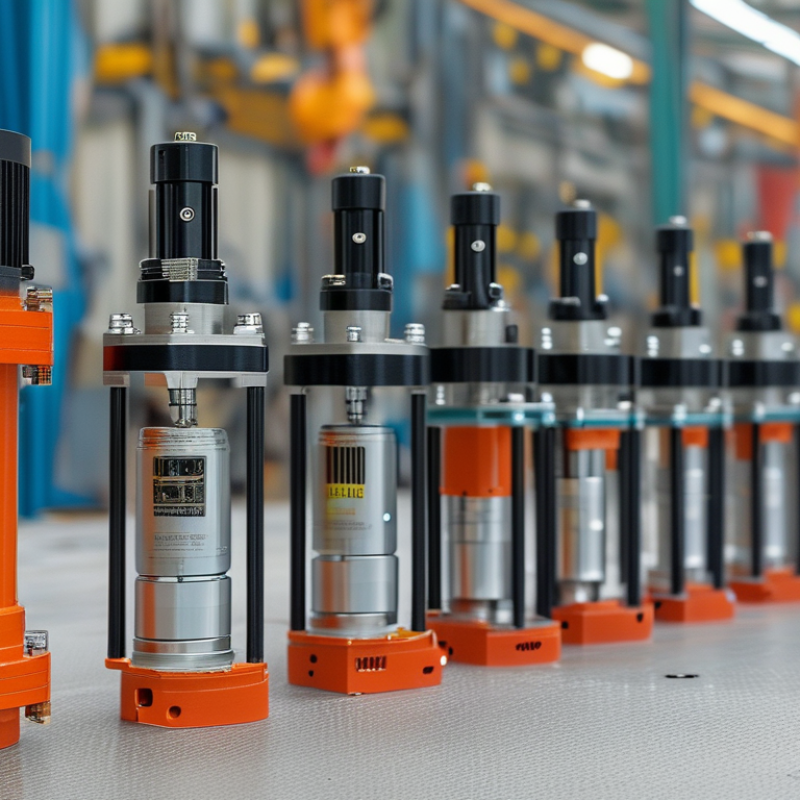
Top 10 Pneumatic Actuator Components: An Overview for Global Buyers
Pneumatic actuators play a crucial role in various industrial applications. They utilize compressed air to generate mechanical motion. Understanding their components is essential for efficient operation. Global buyers must be aware of key parts such as valves and cylinders.
Valves control airflow and regulate pressure. They come in various types, like solenoid and pilot-operated. Each has distinct advantages and requirements. Cylinders transform air pressure into linear motion. They are vital for pushing, pulling, and lifting tasks.
Another important component is the actuator body. It houses internal mechanisms and ensures structural integrity. Additionally, seals and gaskets prevent air leaks, enhancing efficiency. Buyers need to consider the materials used for these parts. Quality affects performance and longevity. There are always trade-offs between cost and reliability. Some decisions can lead to inefficiencies.
Top 10 Pneumatic Actuator Components: An Overview for Global Buyers
| Component | Material | Operating Pressure (bar) | Temperature Range (°C) | Applications |
| Pneumatic Cylinder | Aluminum | 1 - 10 | -20 to 80 | Material handling |
| Pneumatic Valve | Brass | 1 - 8 | -10 to 60 | Fluid control |
| Actuator Bracket | Steel | Up to 10 | -20 to 70 | Mounting solutions |
| Filter/Regulator | Plastic/Aluminum | 1 - 6 | 0 to 70 | Air preparation |
| Position Sensor | Metal/Plastic | 0 - 20 | -10 to 50 | Position feedback |
| Silencer | Plastic | 0 - 10 | -20 to 60 | Noise reduction |
| Seal Kit | Rubber | N/A | -20 to 80 | Maintenance |
| Control Module | Metal/Plastic | 0 - 10 | -10 to 60 | System control |
| Mounting Plates | Steel | N/A | -20 to 70 | Support structures |
| Hoses and Tubes | Rubber/Plastic | 1 - 15 | -30 to 70 | Fluid transport |
Key Specifications: Essential Features of Pneumatic Actuator Components
Pneumatic actuators play a crucial role in various industrial applications. Understanding their components is vital for global buyers. Key specifications define their efficiency and application suitability. Air pressure ratings, for example, determine the actuator's strength. Sizing is equally important; it ensures the actuator fits the system's design.
Another essential feature is the material used in manufacturing. Different environments require specific materials. Corrosion-resistant components are beneficial in harsh settings. Durability can significantly impact long-term performance. Proper maintenance will prolong service life, but not all users follow guidelines. It's also essential to consider response time. Sluggish actuators can hinder production efficiency.
Lastly, connectivity matters in today’s automation landscape. Components must integrate smoothly with control systems. Compatibility issues often arise, leading to inefficiency. Buyers should be aware of these potential pitfalls. Making informed choices can greatly enhance operational effectiveness and reliability.
Market Trends: Growth and Demand in the Pneumatic Actuator Industry
The pneumatic actuator industry is experiencing significant growth. According to a recent market analysis, the global pneumatic actuator market is projected to reach USD 12.5 billion by 2025, growing at a CAGR of 6.7% from 2020. This surge reflects the increasing demand across various sectors, including manufacturing and oil and gas. The automation trend is also shaping the landscape, leading to a higher need for reliable and efficient actuators.
Key drivers of this demand include advancements in technology. Enhanced materials and design innovations improve durability and performance. However, not all manufacturers keep pace with these changes. Some still rely on outdated technologies, which can limit their market competitiveness. There is a distinct need for industry players to adapt to evolving consumer preferences and regulatory standards.
Another aspect is the rise in environmental consciousness. Companies are now prioritizing eco-friendly technologies. However, the transition is not seamless. Many face challenges in integrating sustainable practices. Balancing growth and environmental responsibility remains a hurdle for the industry. This requires ongoing dialogue and collaboration among stakeholders.
Comparative Analysis: Leading Manufacturers and Their Offerings
When exploring pneumatic actuators, a comparative analysis of leading manufacturers reveals significant differences. Each company offers unique components designed for various applications. These components often include valves, cylinders, and control systems. The quality of materials used can significantly impact performance and durability. Buyers should assess these factors closely.
Key aspects to consider are the design and compatibility of actuator components. Some manufacturers excel in offering energy-efficient solutions. Others may prioritize speed and responsiveness. Understanding the specific needs of an application is crucial. It can determine whether to choose lightweight materials or heavy-duty options.
Not all products meet industry standards. Some may lack certifications that ensure reliability. This discrepancy calls for careful evaluation and research. Engaging with industry professionals can provide insights into lesser-known brands that may offer exceptional value. A thorough understanding of the market helps buyers make informed decisions.
Top 10 Pneumatic Actuator Components Comparative Analysis
Application Areas: Industries Utilizing Pneumatic Actuators and Components
Pneumatic actuators play a vital role in various industries. They convert compressed air into mechanical motion, making them essential in manufacturing and automation. Factories harness these actuators for tasks like controlling valves and conveyor systems. The precision and speed of these components enhance production efficiency.
In the mining sector, pneumatic actuators are crucial. They power equipment like drills and hoppers, providing reliable operation under challenging conditions. Many mining systems rely on these components for their durability and low maintenance needs.
In the food processing industry, they help in automation, ensuring consistent quality in packaging and production.
However, challenges exist. Users must carefully select actuators suitable for their specific applications. Compatibility issues can arise with various systems. Regular maintenance is necessary to prevent breakdowns, which can disrupt production. Engineers must stay informed about advancements in pneumatic technology to make effective choices.