Top 10 Hot Rolled Metal Products for Global Buyers?
The global market for Hot Rolled Metal products continues to thrive. According to a Eurostat report, the global demand for hot rolled steel reached approximately 1.5 billion tons in 2022, showcasing a consistent growth trend. These products are pivotal in various industries, from construction to automotive manufacturing. They offer a unique balance of strength and formability that is essential for diverse applications.
Industry experts note that the demand for hot rolled sheets and coils has surged. The construction sector is a significant driver, with projects requiring high-quality, durable materials. A recent analysis by Research and Markets indicates that the hot rolled steel market is projected to expand by over 5% annually through 2030. This growth highlights an increasing reliance on hot rolled metal due to its versatility and cost-effectiveness.
However, challenges persist. Supply chain disruptions and fluctuating raw material prices have impacted the availability of hot rolled metal products. Buyers must remain vigilant, analyzing market trends and supplier reliability. Overall, hot rolled metal continues to play a vital role in shaping the global industrial landscape. Engaging with reliable sources is crucial for informed decision-making in this dynamic market.
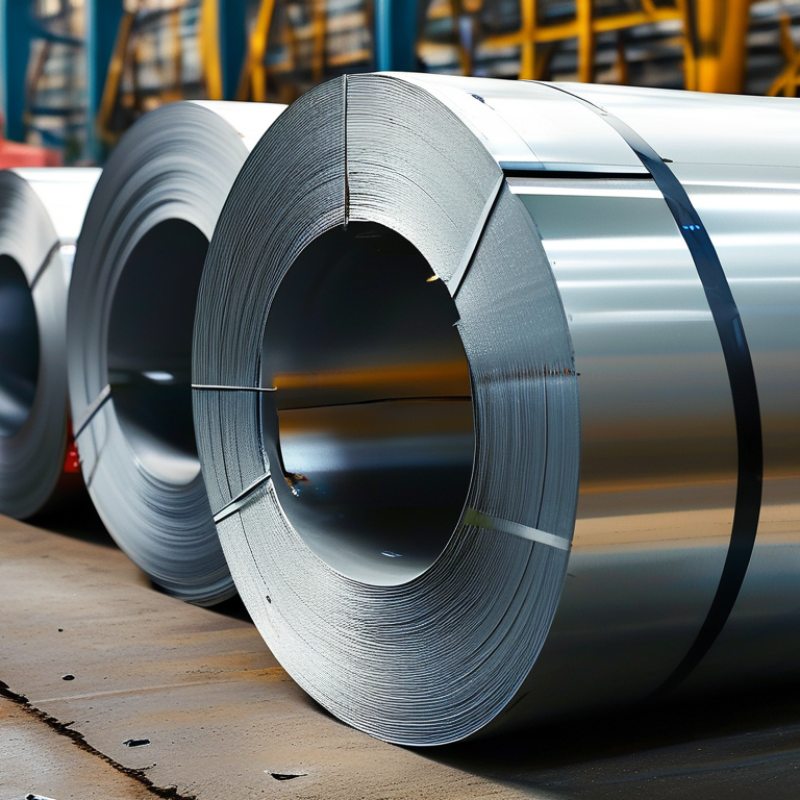
Overview of Hot Rolled Metal Products in the Global Market
Hot rolled metal products play a crucial role in various industries. They are widely used in construction, automotive, and manufacturing sectors. These products undergo processes that enhance their physical properties, making them ideal for numerous applications. A few popular items include hot rolled sheets and plates, which are often utilized for structural purposes. Their strength and malleability make them a preferred choice for engineers and fabricators.
The global market for hot rolled metals is dynamic. Prices fluctuate based on demand and supply conditions. Emerging economies are driving demand, creating both opportunities and challenges. With new applications constantly developing, some manufacturers struggle to keep pace. Innovation is essential to meet evolving market needs. However, keeping quality high while exploring efficiency is a balancing act that many face.
Environmental concerns are becoming increasingly significant in this sector. The production of hot rolled products can be energy-intensive and generate pollutants. Companies must consider eco-friendly practices without compromising performance. Maintaining transparency in sourcing and production processes can also build trust with global buyers. The landscape is complex, but navigating it effectively can lead to success in the competitive market of hot rolled metal products.
Key Characteristics of Hot Rolled Steel and Its Applications
Hot rolled steel is known for its versatility and strength. It is produced by rolling steel at high temperatures, which allows it to be shaped and formed easily. This process results in a product that has a rough surface finish and exhibits higher ductility. According to a recent report by Grand View Research, the global hot rolled steel market is projected to reach $500 billion by 2025. This growth is driven by increasing demand in construction and automotive sectors.
Applications of hot rolled steel are diverse. In construction, it is used for beams, columns, and sheets. Its robust nature makes it ideal for structural applications. Additionally, automotive manufacturers prefer hot rolled steel for its cost-effectiveness and formability. However, careful selection is crucial. Different grades offer varying levels of strength and resistance to corrosion.
Tips: When choosing hot rolled products, consider thickness and width. Ensure you understand the specific application requirements for better performance. Also, reevaluate your supplier regularly to ensure quality standards are met. Over time, trends in material performance may change, highlighting the need for continuous assessment.
Top 10 Hot Rolled Metal Products for Global Buyers
Top Industries Utilizing Hot Rolled Metal Products Worldwide
Hot rolled metal products are essential to various industries worldwide. The construction sector is one of the largest consumers. According to data from the World Steel Association, approximately 60% of hot rolled steel is used in construction. This includes structural beams, plates, and reinforcing bars that are critical for building sustainable infrastructure.
The automotive industry also heavily relies on hot rolled products. Reports indicate that around 16% of hot rolled steel is utilized in vehicle manufacturing. Car manufacturers use this steel for making frames and components that require high strength and durability. However, the demand can fluctuate based on market conditions and regulatory changes in emissions standards.
Moreover, the energy sector, particularly oil and gas, relies on hot rolled products for pipelines and equipment. Industry analyses estimate that around 12% of hot rolled metal goes towards energy applications. However, with the rise of renewable resources, this dependency may shift in the coming years. Each industry faces challenges adapting to material advancements and economic shifts. Companies must continually assess their supply chains for efficiency and sustainability.
Comparative Analysis: Hot Rolled vs. Cold Rolled Metal Products
Hot rolled and cold rolled metal products are essential in various industries. Each process offers unique benefits and limitations. Understanding these differences can help buyers make informed decisions.
Hot rolling involves shaping metal at high temperatures. This process enhances malleability, making it easier to form into desired shapes. Common products include sheets and bars with a rough surface finish. However, hot rolled metals can have a higher level of scale on their surface, which may require additional processing.
Cold rolling, on the other hand, occurs at room temperature. This method results in a smoother surface, tighter tolerances, and enhanced strength. The final products are often thinner and more precise. While cold rolled metals are typically more expensive, their superior finish can justify the cost for certain applications. Buyers must weigh these factors when choosing between hot rolled and cold rolled products for their needs.
Emerging Trends and Innovations in Hot Rolled Metal Production
The hot rolled metal industry is witnessing transformative changes. Innovations in production techniques are reshaping the landscape. Automation and advanced technologies, like AI and IoT, are now commonplace. Such tools enhance efficiency and reduce waste.
Tips: Monitor your suppliers for real-time data. It helps in making informed decisions.
Sustainability is also a key focus. Many firms are adopting greener methods. Eco-friendly materials and energy-efficient processes are gaining traction. These advancements reflect a shift towards responsible manufacturing.
Tips: Always evaluate the carbon footprint of your projects. It can lead to better choices.
Consumer preferences are evolving. The demand for customized solutions is increasing. Manufacturers are responding with tailored options. This aligns production closely with customer needs. It’s not without challenges. Balancing customization with cost-effectiveness remains tricky.
Tips: Engage in open communication with your clients. Understanding their needs can prevent costly adjustments later.