Top 10 Explosion Proof Inverters You Should Consider Now?
In the ever-evolving Explosion Proof Inverter Market, safety is paramount. Industries that operate in hazardous environments require reliable power solutions. Explosion-proof inverters provide the necessary protection against potential ignition sources. They are designed for areas with flammable gases, dust, and volatile chemicals. These inverters are engineered to withstand harsh conditions while ensuring operational continuity.
Selecting the right inverter can be challenging. There is a wide range of options available, each with unique specifications. Buyers often overlook critical factors like temperature ratings, efficiency, and compatibility with existing systems. With the increased demand for safety, the market has expanded significantly. Understanding the nuances of different models is essential for making informed decisions.
In this guide, we explore the top 10 explosion-proof inverters available today. Each option reflects the industry’s standards for safety and reliability. As the market matures, continuous innovation ensures even greater protection. Recognizing the importance of these devices can lead to better operational practices. However, constant vigilance and assessment are necessary to ensure the best choices are made.
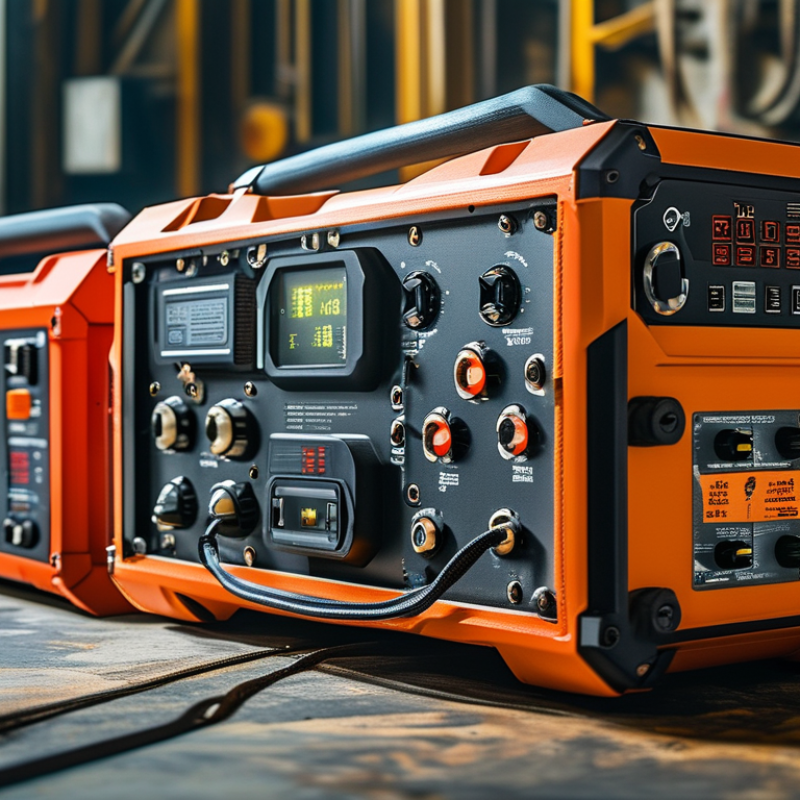
Understanding Explosion Proof Inverters and Their Importance
Explosion proof inverters are essential devices in various industries. They prevent explosions in potentially hazardous environments. These inverters are designed to protect both equipment and personnel. They ensure smooth operation in locations where flammable gases or vapors may be present. This capability makes them crucial for sectors like oil and gas, mining, and chemical processing.
Understanding these inverters involves knowing their construction. They often feature reinforced enclosures and advanced cooling systems. These adaptations keep the internal components safe from external ignition sources. However, while they enhance safety, it's vital to recognize their limitations. Not all models are suitable for every scenario. Misapplication can lead to serious risks. Proper training and adherence to guidelines are necessary for effective use.
The technology behind explosion proof inverters continues to evolve. Manufacturers are focusing on improving efficiency and reliability. Ongoing innovations aim to meet stringent safety standards. Yet, every advancement comes with challenges. Users must stay informed about new features and potential drawbacks. Balancing these aspects is critical for optimal performance in volatile environments.
Top 10 Explosion Proof Inverters - Performance Comparison
Key Features to Look for in Explosion Proof Inverters
When choosing explosion-proof inverters, it's crucial to consider their key features. These devices must withstand harsh conditions. They typically meet stringent safety standards for hazardous locations. According to a recent report from the National Electrical Manufacturers Association (NEMA), explosion-proof equipment significantly reduces risks in industrial sectors.
One important feature is the enclosure's materials. Look for corrosion-resistant options. Many inverters use aluminum or stainless steel for durability. Additionally, ensure that the inverter has proper cooling systems. Overheating can lead to failure in high-stress environments. Data shows that inadequate cooling results in up to 30% lower efficiency.
Another critical aspect is the power and capacity ratings. An inverter must match the electrical specifications of your application. Research indicates that mismatched equipment can lead to safety hazards. Also, consider compliance with certifications such as UL or ATEX for reliable operation. A 2022 industry analysis highlighted that over 40% of companies faced downtime due to improper equipment selection. This statistic underscores the importance of careful selection.
Top Brands and Models of Explosion Proof Inverters
When selecting explosion-proof inverters, understanding top brands and models is essential. These devices are crucial for environments with flammable gases or dust. Specifically designed, they must adhere to strict safety standards. Their reliability can significantly impact operations in hazardous areas.
An effective inverter should provide consistent power while minimizing risks. Certain models feature advanced thermal protection and pressure relief mechanisms. Such details can prevent potential malfunctions. Yet, not all products offer the same quality. It is wise to read reviews and verify performance claims. Manufacturers will often showcase their technology, but this can lead to confusion.
During the search, some clients overlook maintenance requirements. Regular checks ensure longevity and safe operation. It’s easy to assume that a higher price guarantees better safety. However, both affordability and quality must be considered. Reflection on past experiences with various models can guide future purchases. Choosing the right explosion-proof inverter thus involves thoughtful consideration of features and manufacturer credibility.
Applications of Explosion Proof Inverters in Various Industries
Explosion proof inverters are vital in industries where flammable gases, dust, or vapors may be present. These devices ensure the safe conversion of power in hazardous environments, including oil and gas, mining, and chemical processing. According to a recent report bymarketsandmarkets.com, the global explosion-proof equipment market is projected to reach $9.32 billion by 2025. This highlights the growing focus on safety and reliability in these sectors.
In the oil and gas industry, explosion proof inverters protect equipment in the presence of explosive atmospheres. They enable the use of renewable energy sources, like solar power, without compromising safety. Mining operations also benefit from these inverters by ensuring stable power supply in underground conditions. Studies show that proper implementation of explosion proof technology can reduce accidents by 30%.
Tips: When selecting an explosion proof inverter, consider factors such as environmental ratings and certifications. Take time to assess specific industry needs, as regulations vary. Regular maintenance checks are crucial to ensure long-term performance and safety compliance. Balancing safety with operational efficiency is essential in these hazardous industries.
Safety Standards and Regulations for Explosion Proof Inverters
Safety standards and regulations play a crucial role in the design and use of explosion proof inverters. These inverters are vital in industries such as oil and gas, mining, and chemical manufacturing, where flammable gases and dust are present. According to the National Fire Protection Association (NFPA), improper electrical equipment can lead to catastrophic explosions. Thus, compliance with safety regulations, such as the ATEX and IECEx certifications, is essential.
The ATEX directive specifies equipment safety in explosive atmospheres, while IECEx provides an international standard. Each inverter must undergo rigorous testing to ensure it can operate safely. For instance, the temperature class of the inverter must align with the characteristics of the environment. Failure to adhere to these safety measures may result in severe consequences. Reports indicate that nearly 15-20% of industrial accidents involve electrical equipment in hazardous environments.
Moreover, ongoing maintenance and inspection are paramount. Even certified inverters can fail over time, with wear-and-tear leading to unexpected malfunctions. The IEEE recommends regular inspections every six months for inverters in explosive environments. Such practices ensure that risks are minimized and performance is maximized. Continuous training and education for personnel also enhance safety measures within these volatile environments.