

nbc logo (2)
Office address
National Engineering Industries Ltd.
Khatipura Road Jaipur – 302006 Rajasthan, India
Phone Number

Toll Free: 1800 3000 6222
Telephone: +91 141 222 3221
Fax: +91 141 222 1926, 222 2259
CIN: U29130WB1946PLC013643

Best Cast Iron Butterfly Valve Suppliers in China?

Choosing a reliable supplier for a Cast Iron Butterfly Valve takes more than comparing prices. Buyers need to match the valve’s design, materials, and operating conditions to the actual application. China has manufacturers and trading companies with different capabilities, so supplier checks matter.

A Cast Iron Butterfly Valve may be used in water, HVAC, or other general industrial systems. The right choice depends on factors such as line size, pressure rating, seat material, connection type, and temperature range. Names on a product sheet are not enough. Ask for drawings, material details, inspection records, and clear answers about testing. Check whether the supplier can explain how the valve performs under your specified conditions. Small details matter.

Look closely at communication and production consistency, not only the first quotation. Request samples or references where practical, and confirm packaging, lead time, spare-part availability, and after-sales support. No supplier is perfect. A minor gap in documentation may be fixable, but vague technical answers deserve follow-up. It is also wise to compare like-for-like specifications; a lower price may reflect a different seat, coating, or inspection scope. This guide explores how to assess Chinese suppliers and identify a suitable partner with evidence, not assumptions.
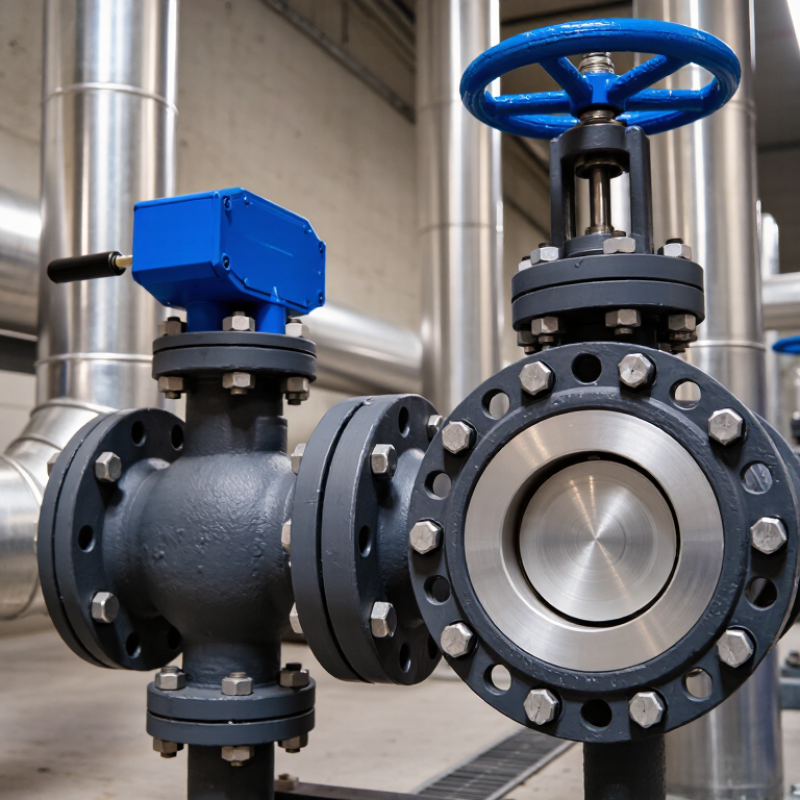
Best Cast Iron Butterfly Valve Suppliers in China?

Understanding Cast Iron Butterfly Valves and Their Applications

A cast iron butterfly valve controls flow with a disc that turns around a central shaft. A quarter-turn handle or actuator moves the disc between open and closed positions. The compact body can suit installations where space is limited. Its seat, often made from an elastomer, helps provide a tight shutoff, but material choice matters. Check fluid compatibility, operating temperature, and pressure against the valve’s rated specifications. Cast iron is not the right choice for every service.

These valves are commonly used in water distribution, building HVAC systems, irrigation lines, and some wastewater applications. Picture a valve installed between two pipe flanges in a plant room: its short face-to-face length can simplify a crowded layout. Small details matter. Confirm the flange standard, end connection, disc clearance, and whether manual or powered operation is needed. A frequent oversight is selecting by pipe size alone. The surrounding piping, flow conditions, and maintenance access also affect performance. Specifications can look tidy on paper; actual installations are not always so neat. Check the supplier’s technical documentation and request clarification when ratings or materials are unclear.

Key Types, Materials, and Technical Specifications

Cast-iron butterfly valves commonly use a concentric disc for general water service. Double-offset designs reduce seat rubbing during operation, while triple-offset metal seats suit higher-temperature or more demanding duties. Body material matters: grey cast iron is common in lower-pressure service, while ductile iron offers greater impact resistance. Discs may be ductile iron, bronze, or stainless steel; EPDM seats are widely used for water, while NBR may suit some oil applications. Confirm chemical and temperature compatibility.

Compare nominal diameter, pressure class, face-to-face dimensions, and end connections—not just the quoted price. AWWA C504 provides specifications for rubber-seated butterfly valves used in waterworks. For pressure testing, ISO 5208:2015 specifies shell tests at 1.5 times the maximum allowable pressure and closure tests at 1.1 times that pressure. Actual ratings still depend on valve design and temperature. A polished datasheet can miss real operating conditions; check the full pressure-temperature range.

Tips: Ask for material certificates, test records, seat details, and actuator torque data. Verify that the proposed dimensions match your pipework. Small mismatch, big trouble. Ask suppliers how they handle coating thickness, shaft sealing, and replacement-seat availability before ordering.

Best Cast Iron Butterfly Valve Suppliers in China? – Key Types, Materials, and Technical Specifications
Selection Dimension Common Options or Typical Specifications What Buyers Should Verify
Valve type and connection Wafer, lug, and flanged butterfly valves are common configurations. Wafer valves fit between pipeline flanges; lug valves have threaded inserts for bolting; flanged valves connect directly to matching pipe flanges. Confirm the required end connection, flange drilling, installation space, and whether the valve must support dead-end service. Dead-end suitability depends on the specific design and pressure rating.
Design standard Common design references include EN 593, API 609, and MSS SP-67. Face-to-face dimensions are often specified using EN 558 or ISO 5752 series. Request the exact standard and edition stated on the quotation and datasheet. Standards and applicable valve categories are not interchangeable in every application.
Body material Gray cast iron may be specified to ASTM A126 Class B or EN-GJL-250 / EN 1561, subject to the product design and applicable material requirements. Check the material grade, casting and inspection requirements, coating system, and compatibility with the line pressure, temperature, and fluid. Ductile iron is a different material and should be identified separately.
Disc material Common choices include ductile iron with an epoxy coating, stainless steel, or other specified corrosion-resistant materials. Verify the disc substrate and coating, including coating coverage and thickness where specified. Select materials for the actual fluid, abrasion level, and corrosion conditions.
Seat and liner Typical resilient-seat materials include EPDM, NBR, and PTFE. EPDM is frequently used for water service; NBR is often selected for oil-containing service; PTFE offers broad chemical resistance but has different operating and design considerations. Confirm chemical compatibility, temperature limits, vacuum requirements, and whether the stated rating applies to continuous or intermittent operation. Suitability depends on the exact compound and valve construction.
Stem and shaft Stainless steel grades such as 410, 420, or 316 may be specified, depending on design and service requirements. Check the exact grade, stem-to-disc connection, corrosion exposure, and whether the stem is designed to be isolated from the process fluid.
Pressure class Common nominal ratings include PN 10 and PN 16. Some designs are offered to ASME Class 125 or Class 150 pressure-class requirements. Do not assume PN and Class ratings are equivalent. Confirm the valve’s pressure-temperature rating, size range, and applicable flange standard on the datasheet.
Size range Butterfly valves are available across a broad range of nominal sizes; the actual range depends on the design, connection type, and pressure rating. Specify nominal size and pipe standard, and confirm face-to-face dimensions, bore, and flange compatibility for each size.
Operating temperature Allowable temperature depends on the seat material, body and disc materials, pressure, and valve design. There is no single temperature range that applies to all cast iron butterfly valves. Request a pressure-temperature chart for the exact material and seat combination. Consider both minimum and maximum process temperatures.
Operation and actuation Manual options commonly include a lever or gear operator. Electric and pneumatic actuators may be available for automated operation. Confirm operating torque, duty cycle, fail position where applicable, actuator supply, control interface, and any enclosure or hazardous-area requirements.
Testing and documentation Inspection and pressure testing may be specified to standards such as EN 12266-1 or API 598, as applicable to the valve design and purchase specification. Agree on the test standard, acceptance criteria, inspection scope, material certificates, coating records, and required documentation before production.
Supplier evaluation Compare technical conformity, manufacturing controls, traceability, inspection capability, delivery scope, and after-sales support. Request a completed datasheet, drawings, material specifications, test records, and confirmation of deviations. Evaluate each offer against the same written service conditions.
Technical note: Specifications shown are common options, not a guarantee that every combination is available or suitable. Final selection should be based on the supplier’s certified datasheet and the project’s pressure, temperature, fluid, and installation requirements.

How to Evaluate Cast Iron Butterfly Valve Suppliers in China

How to Evaluate Cast Iron Butterfly Valve Suppliers in China

A reliable supplier should show more than a polished catalogue. Ask for the body material grade, traceable heat numbers, coating specification, and inspection records for the exact valve model.

ASTM A126 Class B cast iron has a minimum tensile strength of 31,000 psi, a useful benchmark when reviewing material certificates.

Check that the certificate matches the delivered casting, not merely a sample from an earlier order. Small mismatch, big concern.

For pressure and leakage checks, ask how the supplier applies ISO 5208:2015 and which acceptance class appears on its test report. The standard sets out metallic-valve pressure testing and leakage-rate classifications; the supplier should identify the agreed criteria clearly.

Request a recent report showing valve size, test pressure, duration, and measured leakage. Then compare it with your purchase specification.

A factory audit can reveal practical details: marked test benches, calibrated gauges, and coating thickness checks on finished bodies. Documents help, but they do not replace seeing the process.

I would also verify lead-time claims against production capacity; that part is often less transparent than the datasheet.

Leading Chinese Suppliers and Their Product Capabilities

Chinese suppliers of cast iron butterfly valves commonly serve water, HVAC, and general industrial projects. Many offer wafer, lug, and flanged bodies in standard sizes, with lever, gearbox, or actuator operation. Options may include epoxy-coated bodies, stainless-steel stems, and elastomer seats chosen for the fluid and operating temperature. Some manufacturers can work from drawings or adjust connection patterns. But a catalog listing does not always mean the valve is in stock.

Tips: Request a material list, face-to-face dimensions, pressure rating, and seat details. Ask for recent shell and seat test records. Share the actual fluid, temperature, and cycling frequency. Small mismatches matter.

When comparing suppliers, ask how the disc, stem, and seat are designed to work together. Clear drawings and traceable inspection records are more useful than broad quality claims. Ask how casting defects are checked and dimensions verified before shipment. If possible, test a sample through several full cycles and inspect the seat edge. I would not assume the lowest quote is poor, but unexplained material substitutions deserve a pause. Repeatable details reveal more than a polished catalog.

Cast Iron Butterfly Valve Suppliers in China: Common Pressure Classes

A reference comparison of two nominal pressure designations commonly found in industrial valve specifications. PN values indicate nominal pressure in bar; they are not universal operating limits for every valve, temperature, or service condition.

Actual pressure capability depends on the specific valve design, materials, applicable standard, and operating conditions. Confirm ratings with the supplier’s technical documentation.

Sourcing, Quality Checks, and After-Sales Support

When sourcing cast iron butterfly valves in China, compare more than the quoted price. Request a drawing, material grade, coating details, and a stated delivery schedule. The World Bank’s 2023 Logistics Performance Index covered 139 economies and assessed factors including shipment tracking and timeliness. Use those indicators to discuss export planning, but verify the supplier’s actual lead times with recent shipment records. A neat catalog is not proof of capacity.

Quality checks should be specific. Ask for material certificates and inspection records linked to the valve’s batch number. Confirm dimensions, disc movement, seat condition, and pressure-test results before shipment. ISO 5208 sets pressure-testing procedures for metallic valves; ask which test level and acceptance criteria the supplier applies. If possible, arrange independent inspection and photograph the nameplate, packing, and test setup. Paperwork can look complete while a small seat defect still causes leakage.

Tips:

Put test pressure, duration, leakage limits, packaging, and warranty terms in the purchase order. Agree on who pays for rework and replacement parts. After-sales support matters most when a valve fails in service, so request response-time targets and a clear spare-parts process. One point worth checking twice: whether the promised support covers your installation conditions, not just factory testing.