

Toll Free: 1800 3000 6222
Telephone: +91 141 222 3221
Fax: +91 141 222 1926, 222 2259
CIN: U29130WB1946PLC013643
Founded in 1946, National Engineering Industries Ltd (NEI) is India’s leading bearings manufacturer and exporter, renowned for excellence in quality and delivery.

Industrial buyers choose bellows valves when stem leakage, hazardous media, or frequent cycling demand careful control. A welded metal bellows separates the process fluid from the operating stem. Yet the name alone proves little. Materials, pressure and temperature limits, cycle life, and testing practices all matter.
The International Energy Agency’s Global Methane Tracker 2024 estimated that fossil fuel operations released about 120 million tonnes of methane in 2023. This figure does not identify valves as the sole cause, but it shows why leakage control deserves attention across energy facilities. Buyers should compare documented test methods and operating limits, not rely on broad claims. Details matter.
This guide reviews 10 Bellows Valves Manufacturers for global buyers, with practical attention to product range, technical documentation, customization, and service support. It also considers how suppliers communicate material traceability and quality controls. A catalogue can look impressive. Real service conditions are less tidy: corrosive fluids, temperature swings, and limited maintenance access can expose design weaknesses. No ranking replaces a project-specific review, and public information may not reveal every manufacturing detail. The aim is a useful shortlist, not a final purchasing decision.
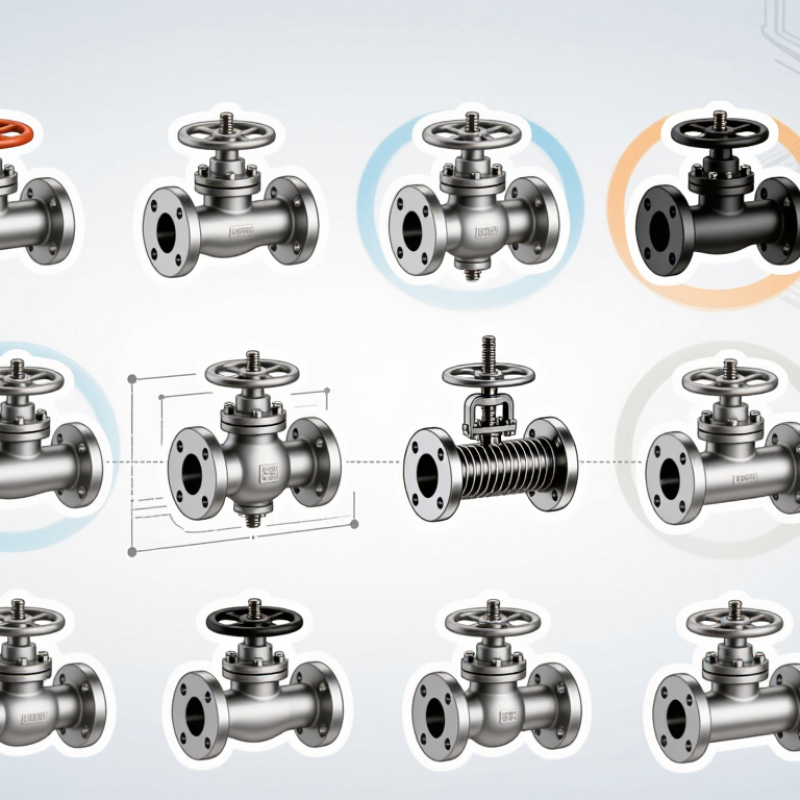
A bellows valve seals around its moving stem with a flexible metal bellows. One end is connected to the stem, and the other is sealed to the valve bonnet. This barrier separates the process fluid from the outside environment, reducing leakage through the stem area. It is especially useful where emissions, product purity, or operator exposure matter.
When an operator turns the handwheel, the stem moves up or down to open or close the valve. The bellows flexes with that movement while maintaining the seal. It works like a small accordion, but its folds must match the valve’s pressure, temperature, and travel requirements. That matters. Many designs also include stem packing as a secondary seal if the bellows fails.
Bellows have limits. Repeated movement, corrosion, vibration, or pressure beyond the design range can shorten their service life. Not completely fail-proof. Buyers should check the bellows material, rated conditions, connection type, and expected operating cycles. Ask how the valve will be inspected and what maintenance access is available. A compact valve may look suitable on a drawing, yet prove awkward to service beside hot piping. Choosing well means matching the valve to the actual fluid and operating conditions, not relying on the “leak-tight” label alone.

When comparing bellows valve manufacturers, begin with the actual service conditions: fluid, pressure, temperature, operating frequency, and required leak performance. A valve suited to clean gas may not suit a corrosive liquid or repeated thermal cycling. Ask how the manufacturer selects bellows materials and sizes the bellows for the intended movement. Specific answers matter.
Review the design and production evidence, not just catalog claims. Request drawings, material certificates, inspection records, and details of pressure and leak testing. Check whether each valve can be traced to its materials and test results. A polished catalog is not proof. Small details matter. For example, ask how welds are inspected and how the valve is tested after assembly. Clear procedures make quality easier to verify.
Consider manufacturing consistency and technical support as well. Ask about production capacity, inspection equipment, and how design changes are controlled. A supplier should explain maintenance needs and provide practical guidance on installation, such as avoiding piping loads that strain the valve body. Compare responses using the same questions and specifications. Even experienced buyers can overvalue a low price or familiar paperwork; I would treat either as a starting point, not a decision. The best evaluation leaves room for uncertainty and checks whether claims match testable evidence.
Use these illustrative buyer-defined weights to structure supplier evaluations—not as market-survey results or ratings of any manufacturer. Verify pressure-temperature documentation, bellows-cycle evidence, fugitive-emissions testing, material traceability, and quality certifications against your application requirements.
Top 10 Bellows Valve Manufacturers for Global Buyers
Global Market Overview of Bellows Valve Suppliers
Bellows valve suppliers serve industries that need tight stem sealing and controlled fluid flow. Buyers compare more than price: valve size, body material, pressure range, temperature limits, and operating cycles all matter. A supplier should explain how its design fits the service conditions, not just send a catalogue. Details matter.
Global sourcing adds practical checks. Buyers may need to compare lead times, export packaging, technical support, and access to replacement parts. Ask for material records and pressure-test documentation relevant to the quoted valve. Confirm that the bellows design has been assessed for the expected movement and cycle count. A quotation can look complete and still leave gaps. Even experienced teams can miss them when specifications are vague.
Tips: Share the process medium, operating temperature, pressure, connection type, and expected cycling rate before requesting a quote. Request drawings and test records, then check that they match the order. If a supplier cannot clarify a key limit, pause and review the specification. Not always convenient, but worthwhile.
Profiles of ten leading bellows valve manufacturers are most useful when they compare engineering strengths, not just product counts. One supplier may focus on high-purity service, with polished internal surfaces and careful leak testing. Another may build valves for hot utility lines, where stem movement and thermal cycling matter. Other profiles may highlight compact instrumentation valves, large-bore process designs, custom end connections, or fast delivery of standard sizes. Some manufacturers offer detailed material traceability. Others provide stronger application support or broader testing documentation. These differences affect more than price. A valve must suit the fluid, pressure, temperature, and maintenance conditions at the actual installation.
Tips: Check the pressure-temperature ratings and bellows material. Ask how each unit is tested. Request drawings and inspection records before comparing quotations. Small details matter.
A fair comparison also looks at service life, replacement availability, and communication during technical review. A polished catalogue is not proof of field performance. Request references for similar duties, where available, and confirm exactly what testing is included. No supplier is perfect; documentation can be incomplete, and lead times may shift. That is worth questioning. Clear answers about limits and assumptions are often more useful than broad claims of reliability.
Manufacturer and brand names are intentionally omitted. The rows below are illustrative buyer profiles based on common bellows-sealed valve configurations, not verified profiles or rankings of specific companies. Confirm each supplier’s actual product range, ratings, certifications, and test records before purchase.
| Profile | Configuration to Look For | Typical Materials | Common Connection Options | Typical Service | Buyer Verification Points |
|---|---|---|---|---|---|
| Profile 1 | Bellows-sealed globe valve with a welded metal bellows and secondary stem packing | Carbon steel or stainless-steel body; stainless-steel bellows, selected for the service | Flanged, threaded, or welded ends, depending on design and size | General industrial isolation where reducing stem leakage is important | Request the bellows material, cycle-life data, pressure-temperature limits, and details of the secondary seal. |
| Profile 2 | Compact forged-steel bellows-sealed globe valve | Forged carbon steel, stainless steel, or alloy steel, subject to the service conditions | Socket-weld, threaded, or flanged ends, depending on the model | Small-bore process and utility piping | Check whether the specific design falls within the scope of API 602 or another applicable valve specification; verify end connections and pressure class. |
| Profile 3 | Bellows-sealed globe valve designed for low-emission service | Body and bellows alloys selected for the process fluid, temperature, and corrosion conditions | Flanged, butt-weld, or other engineered piping connections | Hazardous or volatile fluids where stem-leakage control is a priority | Ask for fugitive-emission test evidence, including the test method, temperature range, pressure conditions, and tested configuration. ISO 15848-1 is one relevant test standard. |
| Profile 4 | Bellows-sealed valve with a corrosion-resistant material selection | Stainless steel, duplex stainless steel, or nickel alloy, selected after checking fluid compatibility | Flanged, welded, or other connections specified for the piping system | Corrosive process fluids and chemical service | Confirm compatibility with the complete fluid composition, including concentration, contaminants, and operating temperature; request material documentation. |
| Profile 5 | Bellows-sealed globe valve with a cryogenic-compatible design | Low-temperature-compatible body and trim materials; bellows alloy selected for the specified temperature range | Flanged or welded ends, as required by the installation | Low-temperature gas and cryogenic process systems | Verify the minimum design temperature, bonnet arrangement, seat leakage criteria, and any cryogenic test reports for the offered model. |
| Profile 6 | Bellows-sealed control or throttling valve | Body, trim, and bellows materials selected for the fluid and control conditions | Flanged or welded connections, depending on the control-valve design | Process applications requiring flow regulation as well as stem sealing | Request the flow characteristic, sizing data, actuator details, allowable shutoff leakage, and evidence that the bellows design suits the required operating cycles. |
| Profile 7 | Bellows-sealed globe valve for steam or hot-service duties | Heat- and pressure-appropriate body and bellows materials, specified for the operating conditions | Flanged or welded ends | Steam, hot oil, and other elevated-temperature services within the valve’s rated limits | Check the published pressure-temperature rating, thermal-cycle limits, bellows fatigue information, and suitability for the actual steam conditions. |
| Profile 8 | Bellows-sealed valve for clean or high-purity process systems | Cleanliness-compatible stainless-steel body and wetted parts, subject to process requirements | Welded or other system-specific connections | Clean process, specialty gas, or high-purity utility systems | Confirm surface-finish requirements, cleaning and packaging procedures, wetted-material traceability, and connection compatibility; do not assume these features from the valve type alone. |
| Profile 9 | Bellows-sealed globe valve with a fire-safe or severe-service option | Materials and construction selected for the specified process and safety requirements | Flanged or welded connections, depending on the design | Applications with defined fire-safety or demanding containment requirements | Request certification or test reports for the exact model and configuration. Verify the applicable fire-test standard and project specification rather than relying on a general product claim. |
| Profile 10 | Custom-engineered bellows-sealed valve with project-specific options | Body, trim, and bellows materials chosen to meet documented process requirements | Project-specified flanged, welded, threaded, or specialty connections | Non-standard piping layouts, materials, operating conditions, or documentation needs | Review the approved drawings, bill of materials, design calculations, inspection plan, test records, and applicable standards for the exact supplied valve. |
Comparing bellows valve manufacturers starts with the service conditions, not the catalog headline. Record the fluid, operating pressure, temperature range, connection size, and expected cycling rate. Then compare products against the same requirements. A valve intended for clean gas may not suit a hot, particle-bearing process. Ask what the stated pressure rating means at your operating temperature. Small details matter.
Tips: Request the bellows material, body material, seat design, and documented leak-test method. Check whether test results apply to the specific valve size and configuration you plan to buy. Ask for drawings, inspection records, and guidance on installation and maintenance. A clear answer is useful; vague assurances are not.
Manufacturer comparisons should also cover production controls, spare-part availability, delivery estimates, and technical support across your region. For example, confirm whether the supplier can explain how pipe loads or repeated thermal changes may affect installation. Compare total ownership needs, not just purchase price. One limitation: published data may not capture your exact process conditions. Share those conditions with a qualified engineer before final selection, and keep the assumptions visible in your review.
Copyright © 2023 NEI Ltd. All rights reserved.
Registered Office : 9/1, R. N. Mukherjee Road, Kolkata – 700 001. In case of any queries or grievances, please contact Mr.Tarun Kumar Kabra, Company Secretary.
E-mail: sale@kinpart.com Privacy Policy Cookie Policy