7 Tips for Choosing a 2 Cylinder Diesel Generator
Choosing a 2 Cylinder Diesel Generator is not simply a matter of matching a headline kilowatt rating to a machine. The right choice depends on what must run, how often it starts, and the conditions around it. A pump in a dusty field and a standby unit beside a workshop have different demands.
The International Energy Agency’s Electricity 2024 report projected global electricity demand growth of close to 4% in both 2024 and 2025. That wider trend makes dependable backup power increasingly relevant, but it does not mean every site needs the same generator. IEA Executive Director Fatih Birol put the shift plainly: “The world is entering the Age of Electricity.” His observation is broader than diesel equipment, yet it captures why careful power planning matters.
For a two-cylinder model, check continuous output, startup loads, fuel use, cooling, noise, and access to routine service. Compare the nameplate rating with the actual load, not a best-case estimate. Small details matter. A motor’s starting surge can exceed its running demand, while heat, altitude, and long operating hours can reduce available performance. I’ve seen specifications look reassuring on paper; real conditions deserve a second look.
The seven tips ahead focus on practical checks: sizing, engine design, alternator quality, controls, fuel capacity, maintenance, and supplier support. None is a magic shortcut. A lower purchase price can become costly if parts are difficult to source or the set cannot handle the load. Use the checklist to ask sharper questions before choosing a 2 Cylinder Diesel Generator for your site.
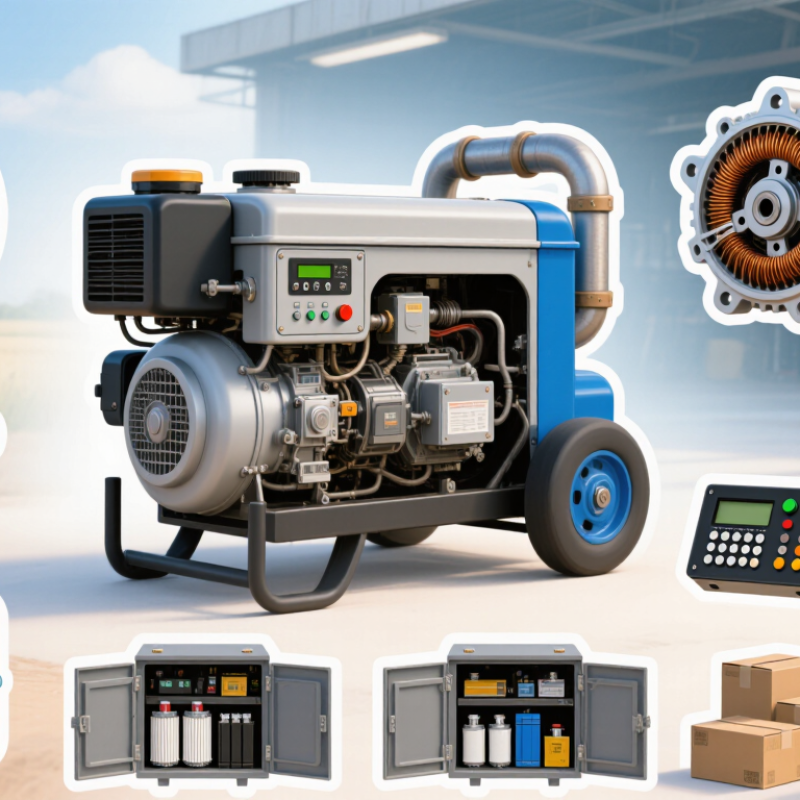
Determine Your Power Requirements and Intended Applications
Before choosing a two-cylinder diesel generator, list every appliance or machine it may need to run. Start with a load list. Record each item’s rated power, voltage, and expected hours of use. Then identify which loads may start at the same time. Motors in pumps, compressors, and workshop equipment can draw extra power briefly when starting. Check their starting requirements, not just their normal running wattage. A refrigerator and a water pump may seem modest on paper, yet their startup peaks can overlap. Add a sensible margin, but avoid sizing from guesses alone. Nameplate data and advice from a qualified electrical professional make the estimate more dependable.
Next, match the generator to the actual application. A home backup unit may run lights, a freezer, and a heating system for short periods. A farm installation might need to support a pump for several hours each day. These are different duty patterns. Consider whether the generator will supply standby power or operate regularly, and check the maker’s guidance for suitable loading. Site conditions matter too: high temperatures, dust, elevation, and limited ventilation can affect performance. A neat spreadsheet can still miss an inconvenient detail, such as a pump starting while other equipment is running. Review the load list with the people who use the equipment, then verify the final sizing before purchase.
Compare Output Ratings and Two-Cylinder Engine Specifications
Compare the generator’s continuous output rating, not only its peak figure. Continuous output is the power it can supply steadily, while peak output supports brief starting surges. Add the running watts of intended equipment, then account for motors that draw extra power at startup. A pump or compressor can briefly demand much more than its normal load. Numbers can mislead.
Check voltage, phase, and frequency against the equipment you plan to run. A higher kilowatt rating does not guarantee compatibility. Leave practical headroom rather than operating near maximum capacity all day. It is tempting to size a set from a single appliance label, but that can overlook simultaneous loads and startup demands.
Compare the two-cylinder engine’s displacement, rated speed, cooling method, and fuel consumption at a stated load. Displacement alone does not prove an engine will perform better; design and operating conditions matter. Look for fuel-use figures at several load levels, plus oil capacity and service intervals. Air-cooled models may suit simpler installations, while liquid cooling can help manage heat under sustained heavy use. Listen for clear test conditions. A rating without them is less useful. Real-world fuel use may differ, so treat published figures as a guide and review your expected duty cycle carefully.
Evaluate Fuel Consumption, Noise, and Emissions
When comparing a 2-cylinder diesel generator, ask for fuel-use figures at 25%, 50%, and 75% load. A single “gallons per hour” figure can mislead if your actual demand is lower. The U.S. Energy Information Administration lists diesel fuel at about 137,381 Btu per gallon; this is an energy reference, not a runtime promise. Compare fuel used per kilowatt-hour under similar loads. A small notebook helps.
Noise needs a real-world check. Request sound readings at a stated distance and load, then compare units on equal terms. A shed, hard walls, or nearby windows can make a modest engine sound sharper. NIOSH recommends limiting occupational exposure to 85 dBA over eight hours; that benchmark is not a residential quietness standard. Listen at the intended site, if possible. Spec sheets can miss the annoyance.
For emissions, check the engine’s documented emissions tier and any required exhaust aftertreatment. The U.S. EPA’s Tier 4 nonroad diesel standards set substantially lower particulate-matter and nitrogen-oxide limits than earlier tiers for covered engine classes. Requirements depend on engine category, so verify the exact model documentation rather than assuming every two-cylinder unit is equivalent. Also ask how filter maintenance affects operation. It is easy to overlook.
Check Build Quality, Maintenance Needs, and Parts Availability
When comparing a 2-cylinder diesel generator, look beyond a clean paint finish. Check welds, engine mounts, hose routing, wiring protection, and the control panel. Ask to see a service record and a load-test result, not just a start-up demonstration. Vibration can loosen a poorly secured connection over time. Small details matter.
Maintenance access matters too. Can a technician reach the oil filter without removing nearby parts? Confirm service intervals for the expected duty cycle, and ask how often the unit should receive a load-bank test. Uptime Institute’s 2024 Annual Outage Analysis reported that 54% of surveyed organizations’ most recent significant outages cost more than $100,000. That is a useful reminder: delayed maintenance can become expensive, even when the generator itself is modest. I still find parts planning easy to underestimate. Get written lead times for filters, belts, injectors, sensors, and starter components, then check whether common service items are stocked locally. A low purchase price is less reassuring when a routine part takes weeks to arrive. Check the manual, too; unclear intervals are a warning worth discussing.
Confirm Installation, Safety, and Warranty Requirements
Before choosing a two-cylinder diesel generator, confirm that your site can support its installation. Measure the equipment footprint, then leave room for airflow, exhaust routing, and service access. A narrow shed may fit the unit but leave no space to replace a filter. Check the floor or pad capacity, too. Vibration can loosen fittings on an unsuitable base.
Safety details deserve a close look. Ask a qualified installer to review ventilation, exhaust discharge, fuel storage, grounding, and electrical connections. Keep hot exhaust away from doors, windows, and walkways. Follow the generator manual and applicable local requirements; clearances vary by model and location. Plan for safe access during maintenance. Small detail, big difference. A site drawing with measurements can expose conflicts before delivery, though drawings do not replace an on-site inspection.
Read the warranty terms before installation begins. Some coverage may depend on approved installation, correct operating conditions, or scheduled servicing. Confirm who must perform the work and what records you should retain. Keep commissioning notes, invoices, and maintenance dates together. This paperwork can feel tedious, and it is easy to miss a service interval during a busy season. Ask the seller or service provider to clarify any vague requirements in writing, especially rules about modifications or relocation.