What is a Tapered Roller Bearing and How Does it Work?
In the world of mechanical engineering, a tapered roller bearing plays a crucial role. Renowned expert John Smith states, "These bearings combine radial and axial loads effectively." This innovative design holds immense importance in various applications.
Tapered roller bearings consist of outer rings, inner rings, and tapered rollers. The shape allows for optimal load distribution. However, installation can be tricky. If not installed correctly, performance issues may arise, impacting machinery operation.
Moreover, maintaining these bearings can be challenging. They require precise lubrication and regular inspections. Neglecting maintenance might lead to significant failures. Understanding the tapered roller bearing’s design and functioning is vital for engineers and technicians. There’s always room for improvement in usage and maintenance strategies.
Definition of Tapered Roller Bearings
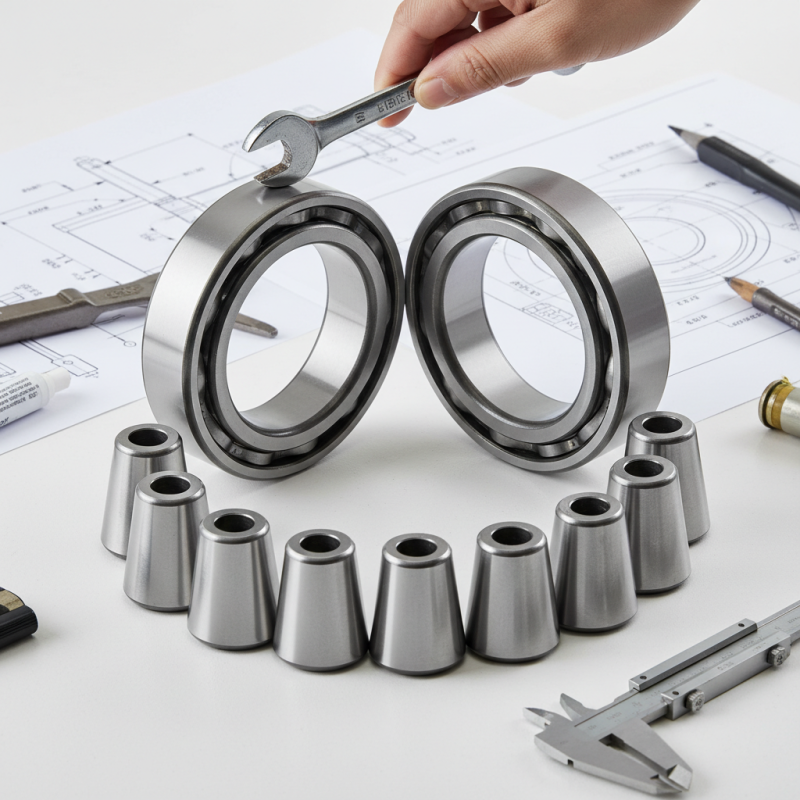
Tapered roller bearings are a specific type of rolling element bearing. They consist of an inner and outer ring, along with tapered rollers. These components work together to support axial and radial loads. The unique shape of the rollers allows them to carry heavy loads while maintaining smooth operation.
The tapered design helps distribute weight evenly. This feature is vital in applications where stability is crucial. In many cases, these bearings are used in machinery and automotive setups.
However, installation can be tricky. If not aligned correctly, performance declines. Over time, improper setup may lead to premature wear.
Maintenance is also essential. Regular checking can prevent serious issues. If a bearing shows wear or noise, it requires attention. Ignoring these signals often results in failures that could have been avoided. Proper knowledge and care ensure the longevity of tapered roller bearings.
Components of Tapered Roller Bearings
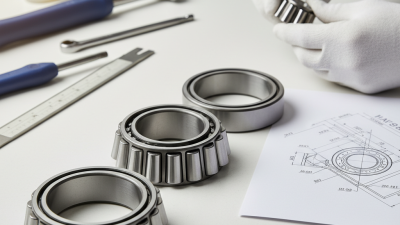
Tapered roller bearings are essential in various machinery. Their design features several key components that enhance performance. The main elements include the cone, the cup, and the rollers. The cone, which is the inner ring, has tapered surfaces. This allows for efficient load distribution.
The cup is the outer ring. It forms a raceway for the rollers. The rollers are uniquely shaped, enabling them to fit snugly between the cone and cup. This alignment reduces friction and wear. The precision in the dimensions of these parts is crucial for optimal functionality. However, improper installation can lead to early failure.
Lubrication is another vital component. It prevents overheating and reduces friction. Many users overlook this aspect. Regular maintenance helps extend the lifespan of tapered roller bearings. Even minor misalignments can lead to significant issues. Attention to detail in assembly is essential for smooth operation.
What is a Tapered Roller Bearing and How Does it Work? - Components of Tapered Roller Bearings
| Component |
Description |
Function |
| Outer Ring |
The ring that encases the rolling elements. |
Provides a surface for the bearing to mount within a housing. |
| Inner Ring |
The ring that is mounted onto the shaft. |
Allows the shaft to rotate while providing support. |
| Rolling Elements |
Conical rollers that are designed to support axial loads. |
Reduces friction between the inner and outer rings while allowing rotation. |
| Cage (Separator) |
A structure that positions the rolling elements. |
Prevents the rollers from colliding with each other and maintains spacing. |
| Contact Angle |
The angle formed between the roller axis and the bearing axis. |
Affects the load capacity and performance of the bearing. |
Functionality of Tapered Roller Bearings
Tapered roller bearings are essential components in various machinery. They consist of tapered inner and outer raceways. This design allows them to support both radial and axial loads efficiently. They can handle heavy loads, making them ideal for industrial applications. Each bearing has surface contact, which provides stability when in motion.
The functionality of tapered roller bearings relies on their geometry. When the inner ring rotates, the tapered rollers slide along the raceways. This movement reduces friction and enhances performance. It's fascinating how a simple design allows for complex functions. However, ensuring proper alignment is crucial. Misalignment can lead to premature wear and failure.
These bearings are not immune to challenges. Contamination or lack of lubrication can impact their efficiency. Regular maintenance is key to longevity. Over time, they can lose their effectiveness without proper care. It's a reminder that even small components are vital for safety and reliability.
Tapered Roller Bearings - Load Capacity Comparison
Applications of Tapered Roller Bearings
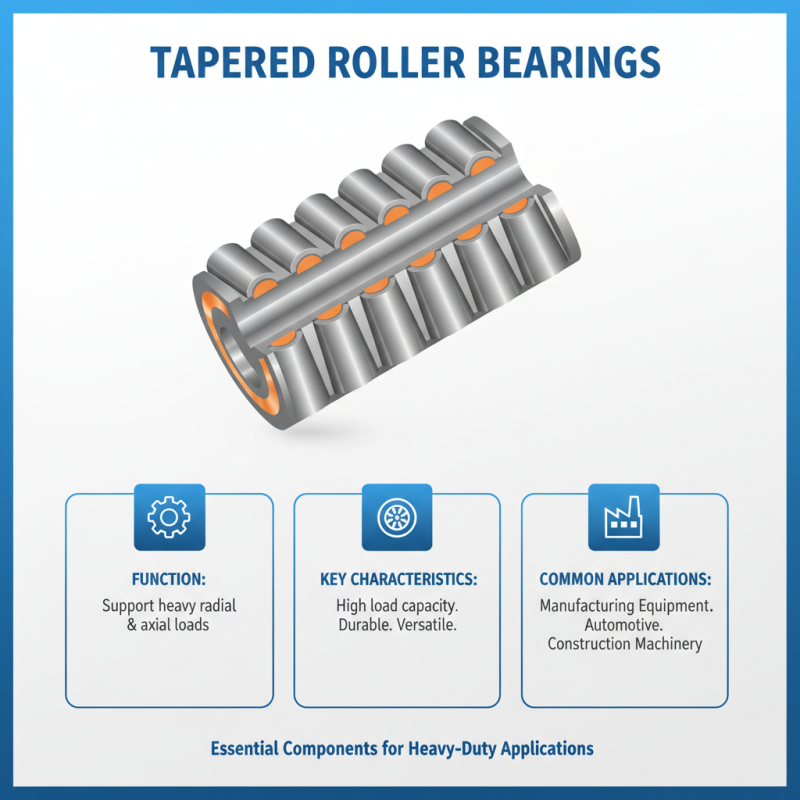
Tapered roller bearings are vital components across various industries. They handle heavy loads in machinery and vehicles. These bearings can support both radial and axial loads. You'll often find them in manufacturing equipment, automotive applications, and construction machinery.
In automotive use, tapered roller bearings appear in wheel hubs and differential systems. They allow for smooth operation while managing stress. This functionality can enhance vehicle performance and longevity. However, installation can be tricky. Misalignment can lead to premature wear.
Tips: Always double-check alignment during installation. It can save time and resources. Regularly inspect these bearings for signs of wear, especially in heavy machinery. A proactive approach helps avoid costly repairs.
In manufacturing, these bearings are essential in conveyor systems and gearboxes. Their design allows for high load capacity, making them ideal for heavy-duty applications. However, they require proper lubrication. Insufficient lubrication can cause increased friction and failure.
Tips: Keep an eye on lubrication levels. Regular maintenance checks are key. Consider the operating environment, as extreme conditions can affect performance. Awareness is crucial for optimal function.
Maintenance and Advantages of Tapered Roller Bearings
Tapered roller bearings are essential in various machinery. They handle both radial and axial loads effectively. Regular maintenance is crucial for their longevity. A well-maintained bearing reduces friction and heat. It is vital to keep them clean and properly lubricated. Dirty or under-lubricated bearings wear out quickly.
Inspecting these bearings regularly can prevent issues. Look for signs of wear, like unusual noises. After prolonged use, some might show signs of damage. It’s important to address these early. A failure can lead to costly downtime and repairs. This is often overlooked by operators.
Using tapered roller bearings has several advantages. They enhance performance in heavy-load applications. Their design allows for effective load distribution. However, if not maintained correctly, their efficiency diminishes. Contractors should be aware of this risk. Regular checks and proper service can ensure optimal functioning.