What is Stainless Steel Strips and Their Benefits for Buyers?
Stainless Steel Strips are vital components in numerous industries, including automotive and construction. According to a 2021 market research report, the global stainless steel strip market is projected to grow by over 4% annually until 2026. This growth is driven by their durability, corrosion resistance, and aesthetic appeal. Buyers benefit from their strength and the versatility they offer in various applications.
The advantages of Stainless Steel Strips go beyond mere functionality. They support environmental sustainability through recyclability. The International Stainless Steel Forum reports that more than 70% of stainless steel is recycled each year. This represents a significant step towards reducing industrial waste and promoting green practices in manufacturing.
However, buyers must consider specific challenges. Sourcing quality Stainless Steel Strips is crucial, as lower-grade options may not perform adequately. Additionally, price volatility can impact procurement strategies. Engaging with reputable suppliers who understand industry standards is essential for ensuring reliable performance and value. Over time, smart purchasing decisions can lead to long-term cost savings and improved operational efficiency.
What are Stainless Steel Strips?
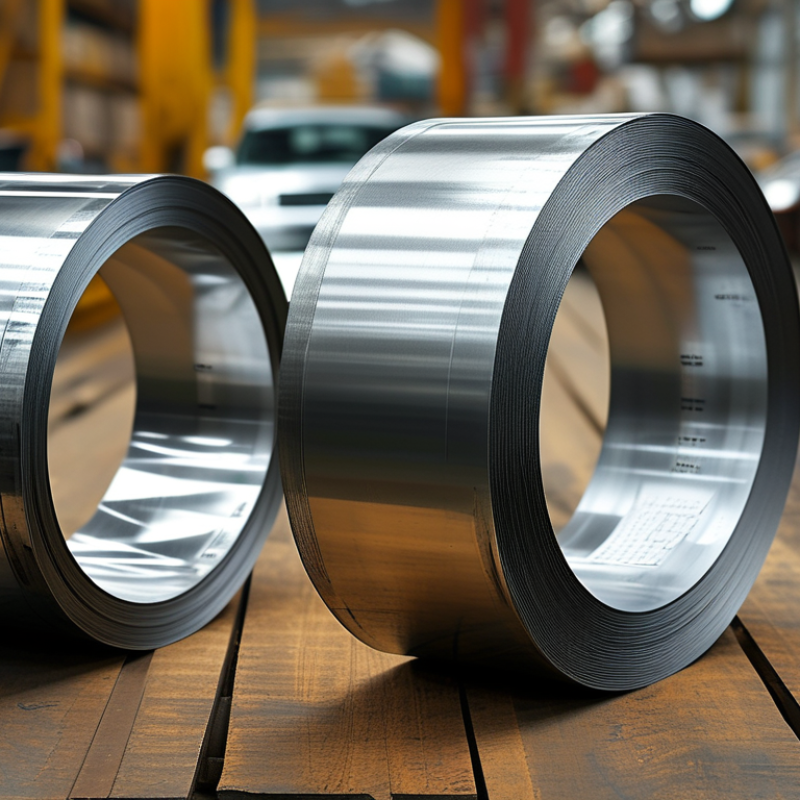
Stainless steel strips are versatile materials with various applications across many industries. They are thin, flat pieces of stainless steel that can be easily shaped and formed. These strips typically come in different widths, thicknesses, and finishes, making them suitable for various uses, from automotive components to architectural details. Their ability to resist corrosion and staining makes them a reliable choice for both functional and aesthetic applications.
The manufacturing process of stainless steel strips often involves cold rolling techniques. This process helps in achieving precise thickness and smooth surfaces. Many manufacturers also apply additional treatments to enhance durability. Buyers often seek stainless steel strips for their strength and longevity. However, quality can vary between suppliers, and sourcing from reliable manufacturers is crucial. An oversight here can lead to subpar products that fail to meet performance standards.
While stainless steel strips offer many advantages, they are not without faults. For instance, they can be more expensive than other materials. Some buyers might overlook the importance of understanding the specifications, leading to purchasing errors. Ensuring that the right type is chosen is essential for maximizing benefits like durability and aesthetics.
Types of Stainless Steel Used for Strips
Stainless steel strips are versatile materials used across various industries. They come in different types, each with unique properties suited for specific applications. The most common types include 304 and 316 stainless steel. Grade 304 is known for its excellent corrosion resistance and is often used in food processing. It’s reliable, but it may not be the best choice for highly chlorinated environments.
Grade 316 offers superior corrosion resistance, especially against saltwater and harsh chemicals. While it might be more expensive, its durability makes it worthwhile for marine and chemical applications. Furthermore, other specialized grades are available, like 410, which is magnetic and used in applications requiring strength and moderate corrosion resistance. It’s a less common choice and may not be ideal for all situations.
Choosing the right type depends on the specific requirements of the project. Buyers often face challenges understanding the characteristics of each grade. They need to assess factors like environment and mechanical stress. Often, consulting experts can help clarify selections. However, some buyers skip this step, leading to costly misunderstandings about material requirements. A little research and professional guidance can significantly impact project success.
What is Stainless Steel Strips and Their Benefits for Buyers? - Types of Stainless Steel Used for Strips
| Type of Stainless Steel | Common Uses | Corrosion Resistance | Strength | Formability | Cost |
| 304 | Food and beverage industry, kitchen equipment | Excellent | Good | Very good | Moderate |
| 316 | Marine applications, chemical processing | Excellent, even in saltwater | Good | Good | High |
| 430 | Automotive trim, appliances | Fair | Good | Fair | Low |
| 2205 | Oil and gas industry, pressure vessels | Excellent | Very good | Good | High |
| 309 | High-temperature applications | Good | Very high | Fair | High |
Key Benefits of Using Stainless Steel Strips
Stainless steel strips are versatile materials used across various industries. They offer numerous benefits that cater to a range of buyer needs. One of the key advantages is corrosion resistance. According to a recent report by the International Stainless Steel Forum, stainless steel maintains strength and aesthetic appeal even in harsh environments. This property makes it ideal for both indoor and outdoor applications.
Another significant benefit is durability. Stainless steel strips are designed to withstand wear and tear. They have a long lifespan, requiring less frequent replacement. Buyers can reduce overall costs on maintenance and replacements. Products made of stainless steel strips can endure extreme temperatures and pressures. This resilience ensures reliability in critical applications like construction and automotive sectors.
For buyers considering stainless steel strips, choose the right grade for your application. Different grades offer various properties. Assess the environment where the strips will be used. An incorrect choice might lead to premature failure. Conduct thorough research before making a decision. Understanding the specifications can significantly enhance performance and longevity.
Applications of Stainless Steel Strips in Various Industries
Stainless steel strips play a crucial role across various industries. Their versatility makes them ideal for automotive, construction, electronics, and food processing sectors. According to industry reports, the global stainless steel strip market is projected to grow at a CAGR of 4.5% from 2021 to 2026. This growth is driven by the rising demand for durable and corrosion-resistant materials.
In the automotive industry, stainless steel strips are used in manufacturing parts like exhaust systems and fuel tanks. These components require materials that withstand high temperatures and corrosive environments. The construction sector utilizes stainless steel strips for structural support, roofing, and cladding, enhancing durability and aesthetic appeal. Moreover, in electronics, stainless steel strips are essential for connectors and housings, improving device longevity.
When sourcing stainless steel strips, consider the thickness and finish required for your application. Ensure the supplier complies with quality standards. It’s also wise to review material certifications to verify properties like tensile strength and corrosion resistance. Analyzing these details helps avoid costly mistakes and ensures product reliability. Understanding the specific needs of your application is key, as not all grades of stainless steel are suitable for all environments.
Applications of Stainless Steel Strips in Various Industries
Factors to Consider When Purchasing Stainless Steel Strips
When purchasing stainless steel strips, several factors warrant your attention. The first is material grade. Different grades offer varying levels of resistance to corrosion and heat. Understanding which grade suits your specific application is essential. For example, 304 stainless steel is commonly used due to its versatility, while 316 offers superior resistance to harsh environments.
Next, consider the thickness and width of the strips. These specifications significantly impact the strip’s usability in various applications. A thinner strip may be better for intricate designs, while a thicker one adds strength and durability. Measurements should align with your project's requirements to avoid mismatches.
It is also wise to assess the supplier's credibility. Verify their experience and reliability in the industry. A trustworthy supplier ensures consistent quality, timely delivery, and support during your purchasing process. Prices can vary, but opting for the cheapest option may result in subpar materials. Balancing cost with quality will lead to more satisfactory outcomes. Reflect on these aspects carefully to make informed decisions when investing in stainless steel strips.