What is a Mechanical Seal and How Does It Work?
A Mechanical Seal is a crucial component in many industrial applications. It is designed to prevent fluid leaks in rotating equipment. Understanding how it works can significantly impact the efficiency of machinery.
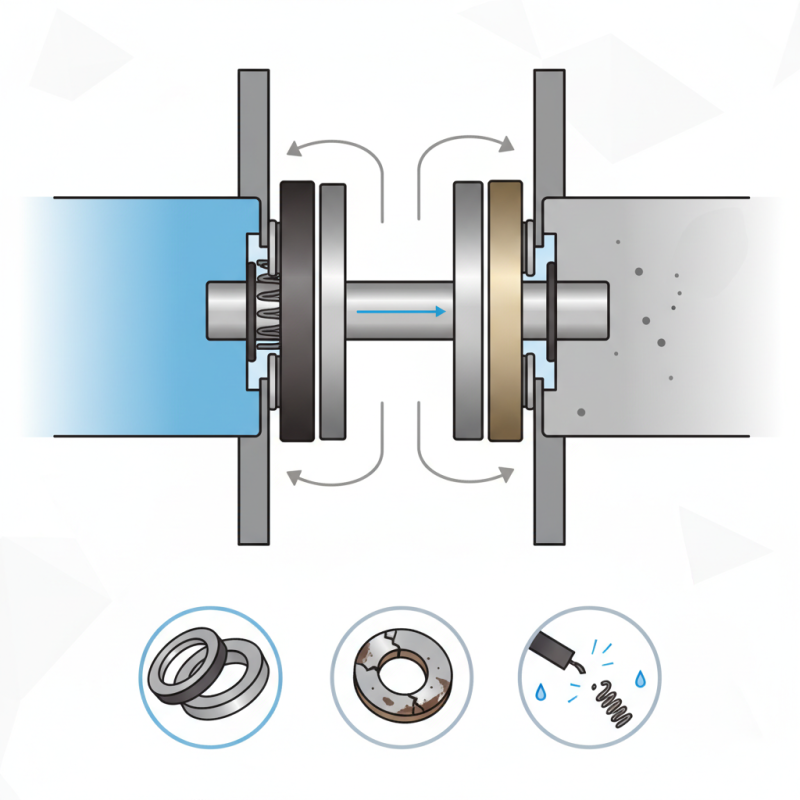
Mechanical seals consist of two primary surfaces: the stationary and the rotating faces. These surfaces come into contact, creating a barrier that prevents liquid escape. The effective design of a mechanical seal helps to maintain pressure and protect against contaminants.
However, mechanical seals can fail due to various reasons. Common issues include misalignment, improper installation, and wear over time. Recognizing these potential failures is essential for maintenance. Regular checks can ensure that equipment operates smoothly. Investing time in understanding mechanical seals can lead to better machinery performance and reliability.
What is a Mechanical Seal: Definition and Purpose
Mechanical seals are vital components in various industrial applications. They are designed to prevent fluid leakage between stationary and rotating parts of machinery, such as pumps and mixers. Their primary purpose is to ensure system efficiency and minimize environmental contamination. According to a recent report from the Mechanical Seal Industry Association, improper sealing can lead to a 20% increase in operational costs due to leakage and maintenance.
The design of a mechanical seal typically comprises two flat surfaces: one stationary and one rotating. When these surfaces are pressed together, they create a tight seal. This sealing mechanism is crucial in high-pressure environments, where typical gaskets may fail. Studies indicate that mechanical seals can reduce product loss by up to 75% when compared to traditional sealing solutions, showcasing their superior reliability.
However, not all mechanical seals perform equally under different conditions. For instance, extreme temperatures can wear down seal materials, leading to premature failure. It's essential to continually evaluate seal performance, especially in critical operations. Incorporating real-time monitoring can provide insights into seal health and prevent costly downtime.
Types of Mechanical Seals: An Overview of Common Designs
Mechanical seals play a critical role in various industrial applications, providing a reliable solution for preventing leakage. There are several common designs of mechanical seals, each with distinct characteristics suited for specific use cases. The most widely used types include the single seal, double seal, and cartridge seal.
Single mechanical seals consist of two main components—the stationary part and the rotating part. This type is simple and cost-effective, making it a popular choice in general applications. According to industry reports, single seals account for approximately 70% of the market share in mechanical sealing solutions. However, they may not be ideal for high-pressure or hazardous environments.
Double mechanical seals employ two sets of sealing faces. This design provides redundancy, significantly reducing leakage risks. They are particularly beneficial in applications involving toxic or expensive fluids. A report noted that double seals could save companies up to 30% in fluid loss over time, highlighting their economic advantages. Cartridge seals are also gaining popularity due to their ease of installation and reliability. They often incorporate pre-assembled components that minimize the chances of assembly errors, an issue that can lead to costly downtimes in production.
Despite their advantages, mechanical seals can still face challenges. Users must consider material compatibility and environmental conditions. Regular maintenance and proper selection are vital for optimal performance. Without these considerations, even the best sealing technology can falter, leading to operational inefficiencies. Understanding the nuances of these designs enables better decision-making in seal selection.
What is a Mechanical Seal and How Does It Work? - Types of Mechanical Seals: An Overview of Common Designs
| Seal Type | Application | Advantages | Disadvantages |
| Single Mechanical Seal | Pumps, Compressors | Simple design, cost-effective | Limited to moderate pressure |
| Double Mechanical Seal | High-pressure applications | Enhanced leakage prevention | Higher cost, complex design |
| Cantilever Seal | Wastewater treatment | Ideal for slurries, simple installation | Not suitable for high pressures |
| Spring Seal | Chemical processing | Compensates for wear | Sensitive to fluid conditions |
| Magnetic Drive Seal | Specialty applications | No direct contact, minimal wear | High initial cost |
How Mechanical Seals Operate: The Principles of Sealing Technology
Mechanical seals play a crucial role in preventing fluid leaks in various industrial applications. Their operation is based on a simple yet effective principle: two flat surfaces rub against each other, creating a tight seal. The effectiveness of this sealing technology relies on maintaining optimal pressure and alignment between the seal faces. According to a report by the American Society of Mechanical Engineers, properly installed mechanical seals can reduce leakage nearly 80%. However, misalignment and pressure fluctuations can lead to premature seal failure.
The materials used in mechanical seals also significantly impact their performance. Common materials include carbon, ceramic, and various elastomers, each chosen for specific operating conditions. A 2022 study from the Journal of Applied Mechanical Engineering noted that the right material selection improves durability and resistance to wear. Not all seals are created equal; understanding their limitations is important. For instance, temperature fluctuations can cause thermal expansion, potentially leading to failure if the seal is not rated for the operating conditions.
While mechanical seals are designed to minimize leaks and maintenance needs, they are not foolproof. Regular monitoring is key. A study from Engineering Failure Analysis highlighted that about 30% of mechanical seal failures occur due to improper installation or insufficient maintenance. This indicates the need for ongoing training and information sharing among technicians. Recognizing these challenges can lead to better practices and improved sealing performance in the long run.
Performance Factors: Influences on Mechanical Seal Lifespan and Efficiency
Mechanical seals play a crucial role in various industrial applications. Their efficiency and lifespan depend on multiple performance factors. One crucial factor is the operating environment. High temperatures and pressures can accelerate wear and tear. Contaminants in the fluid can also damage seal surfaces. Choosing the right materials helps mitigate some of these issues.
Another important consideration is the design of the mechanical seal itself. Seals need precise tolerances to work effectively. Poor design can lead to leakages and reduced efficiency. Regular maintenance is essential, but it often gets overlooked. Over time, even the best-designed seals can show signs of deterioration. Operators should monitor performance and replace seals proactively.
The lubrication of seals is another factor impacting their lifespan. Insufficient lubrication can cause friction and overheating. On the other hand, excessive lubrication might lead to the accumulation of debris. Balancing lubrication is challenging yet crucial. Ultimately, understanding these factors helps in making informed decisions regarding mechanical seals. Addressing potential issues proactively can lead to significant cost savings over time.
Mechanical Seal Performance Factors
Applications of Mechanical Seals in Various Industries and Their Impact
Mechanical seals are vital components in various industries. They prevent leaks and protect equipment. This technology is widely used in sectors such as oil and gas, chemical processing, and water treatment. According to the Global Mechanical Seal Market Report 2022, the market is expected to grow at a CAGR of 4.5% from 2022 to 2030. This indicates a rising demand for reliable sealing solutions.
In the oil and gas sector, mechanical seals play a crucial role in maintaining safety and efficiency. They minimize the risk of hazardous leaks. In chemical processing, sealing solutions are essential for controlling fluid movement. A 2021 study highlighted that improper sealing can result in significant financial losses, up to $10 million annually for large plants. Water treatment facilities also rely heavily on mechanical seals. They help ensure clean water supply and system integrity.
Despite their importance, many industries face challenges with mechanical seal performance. Common issues include wear from chemical exposure and mishandling during installation. Regular maintenance is necessary but often overlooked. Addressing these gaps can enhance equipment longevity and efficiency, benefiting overall operations.