What is Flange Hexagon Bolts and How to Choose Them?
flange hexagon bolts are crucial fasteners widely used in construction and engineering. These specialized bolts provide strong connections while distributing load over a larger surface area. Understanding their design and application is essential for choosing the right type for your project.
When selecting flange hexagon bolts, consider various factors. Material type, diameter, and strength ratings play significant roles. Whether you're working on a steel structure or machinery, selecting the appropriate bolts can impact safety and performance. Flange hexagon bolts must withstand environmental conditions without losing their effectiveness.
Despite their effectiveness, choosing the wrong size or material can lead to problems. It is vital to assess the specific needs of your application carefully. Balancing quality with cost is often challenging. However, investing in high-quality flange hexagon bolts ensures durability and reliability in your projects.
What are Flange Hexagon Bolts and Their Characteristics?
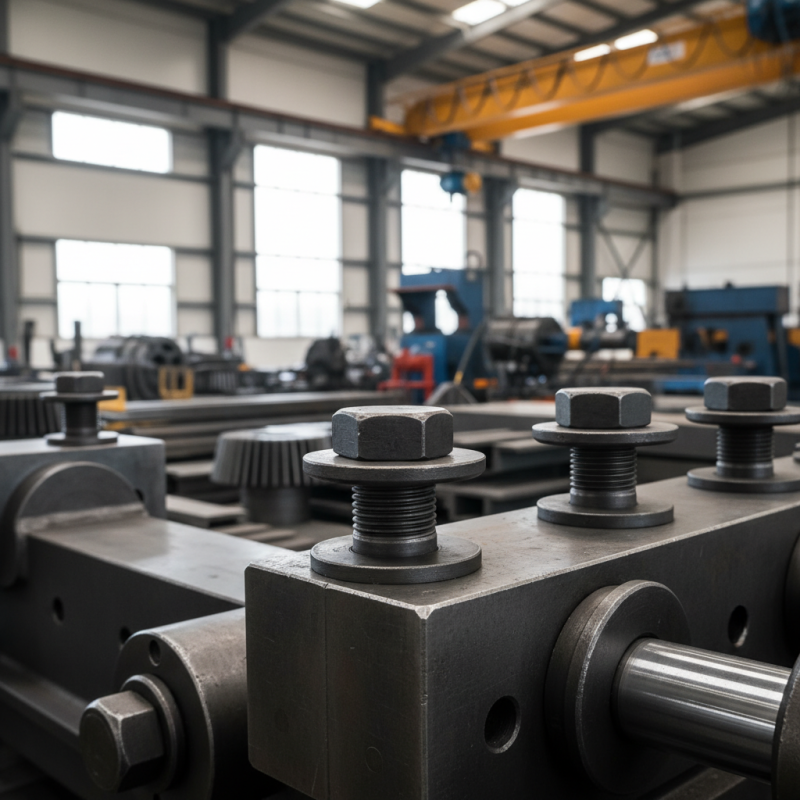
Flange hexagon bolts are essential fasteners in various industries. They feature a flange that acts as a washer, distributing the load more evenly. This characteristic helps prevent damage to softer materials. The hexagonal head allows for a firm grip during installation. Their design also makes them less prone to loosening over time.
When choosing flange hexagon bolts, consider the material and coating. Stainless steel offers excellent corrosion resistance but may cost more. Carbon steel is stronger but requires protection against rust. Also, pay attention to the bolt's size and strength grade. Choosing the wrong size can lead to structural failures. It is vital to check specifications carefully; a small oversight could be costly.
Bear in mind that compatibility with other components matters. Flange bolts work well with nuts and other fasteners of similar materials. However, mismatched materials can lead to unexpected issues later. Regular maintenance should be part of your plan. Inspecting fasteners for wear can prevent accidents.
Common Applications of Flange Hexagon Bolts in Various Industries
Flange hexagon bolts are essential components in many industries. They are widely used in construction, automotive, and machinery applications. The design of these bolts features a flange that helps distribute the load, which is crucial for ensuring stability. In sectors requiring robust connections, these bolts excel due to their durability and strength.
In the automotive industry, flange hexagon bolts secure various parts of vehicles, including engines and transmissions. Their ability to withstand vibrations makes them ideal for this environment. Construction also benefits from these bolts. They hold steel beams and other structures together, providing safety and integrity.
However, choosing the right flange hexagon bolts can be tricky. Not all bolts fit every application. It’s vital to consider the material and size for specific uses. Users sometimes overlook these details, leading to failures or safety hazards. Evaluating the load requirements is important to prevent issues later on. Attention to this can enhance the reliability of connections significantly.
Factors to Consider When Choosing Flange Hexagon Bolts
Choosing the right flange hexagon bolts involves considering several crucial factors. First, evaluate the material of the bolts. Common options include stainless steel, carbon steel, and alloy steel. Each material has unique properties. Stainless steel offers corrosion resistance, while carbon steel provides strength. Understanding these differences is essential for durability.
Another important factor is the bolt’s size and length. Proper sizing ensures a secure fit. Measure the thickness of the materials being joined. Remember, too long or too short bolts can lead to structural failures or damage.
**Tip:** Use a caliper to measure accuracy. This tool helps avoid errors that could impact your project.
The load requirements should also be assessed. Determine if the bolts will support static or dynamic loads. Higher stress applications may require stronger, larger bolts. Ensure compliance with industry standards for safety and reliability.
**Tip:** Consult design manuals for load ratings. These resources can clarify your selection process and provide insights into material capabilities.
Remember, the appearance of a bolt may also affect your choice. While aesthetics aren’t primary, they can influence the overall look of your assembly. Reflect on how visible the bolts will be and consider finishing options if necessary.
Comparison of Different Materials for Flange Hexagon Bolts
When choosing flange hexagon bolts, the material plays a critical role. Common choices include stainless steel, alloy steel, and carbon steel. Each material offers unique benefits and limitations. Stainless steel, for instance, resists corrosion exceptionally well. This makes it suitable for outdoor applications. A report from the Research Institute of Materials indicates that stainless steel bolts can prevent rust in coastal areas. However, they may lack strength compared to their alloy counterparts.
Alloy steel tends to be stronger than carbon or stainless steel. It often withstands higher loads and extreme temperatures. Depending on the alloy composition, tensile strength can exceed 100,000 psi. Nevertheless, these bolts can be more expensive. For environments with high stress, toughened alloys are preferable. A study highlighted that using the wrong bolt material led to 30% of structural failures in various sectors. Awareness of bolt material properties can mitigate such risks.
Carbon steel is cost-effective and widely used. It can achieve adequate strength but is susceptible to corrosion without proper coatings. Many industries often overlook this aspect, leading to premature failures. For example, bolts used in machinery may corrode, resulting in costly repairs. A balanced approach is necessary. Users must assess environmental factors, mechanical stress, and budget constraints. This will ensure appropriate material selection for flange hexagon bolts.
Installation and Maintenance Tips for Flange Hexagon Bolts
Flange hexagon bolts are essential in construction and machinery. Proper installation and maintenance can significantly enhance their lifespan and performance. When using these bolts, it's crucial to ensure that they fit the specified torque requirements. Research indicates that improper torque can reduce the bolt's load capacity by up to 30%. This discrepancy can lead to equipment failure or unsafe conditions.
Regular inspection is vital. Check for signs of corrosion or wear, as these are indicators that the bolts may need replacement. The American Society of Mechanical Engineers (ASME) emphasizes the importance of using correct materials to avoid early degradation. Lubricating the threads can also improve performance and reduce friction. However, it’s important to use the right lubricant; using incompatible substances can create unwanted reactions.
Finally, following the manufacturer's guidelines cannot be overstated. Many users overlook this, which can lead to installation errors. Education on bolt specifications and maintenance practices should be prioritized. It's essential to recognize that even minor mistakes in handling flange hexagon bolts can have serious consequences.