How to Use Solenoid Valves in Irrigation Systems Effectively?
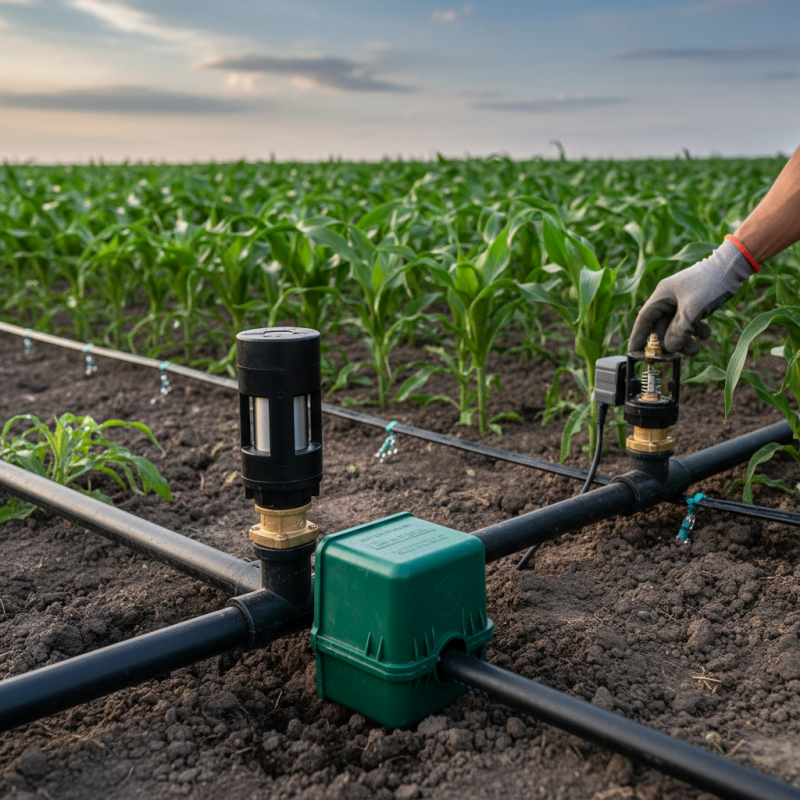
Effective irrigation is key for crop success. A critical component in modern irrigation is the Solenoid Valve In Irrigation Systems. This small device controls water flow, helping farmers manage resources efficiently. With proper use, it can save water and ensure crops receive the right amount.
Using a solenoid valve in irrigation systems requires understanding its operation. It opens and closes based on electrical signals. However, it might not always work perfectly. Clogs or faulty wiring can disrupt its function. Regular maintenance is crucial to avoid unexpected failures.
Farmers must consider placement of the solenoid valve in irrigation systems. Incorrect positioning can lead to uneven water distribution. Monitoring performance regularly helps in identifying issues early. Continuous adaptation to changing conditions ensures that the irrigation system remains effective.
Understanding Solenoid Valves: Function and Importance in Irrigation
Solenoid valves play a crucial role in modern irrigation systems. They allow for precise control of water flow, making them essential for efficient irrigation. These valves function by using electromagnetic coils to control the opening and closing of water passageways. When energized, the coil generates a magnetic field that either opens or closes the valve. This technology provides a valuable solution for managing water resources effectively.
Research indicates that irrigation systems equipped with solenoid valves can reduce water consumption by 20-30%. This efficiency can lead to significant cost savings and improved crop yield. Efficient water management is becoming increasingly necessary as climate change impacts agriculture. Using solenoid valves helps farmers respond to these challenges by ensuring the right amount of water is delivered at the right time.
Tips for effective use: Regular maintenance is key. Leaks and clogs can hinder performance. Inspect valves monthly and clean any debris. Additionally, consider using smart controllers. These devices can sync with local weather data, optimizing irrigation schedules and enhancing water conservation. Training your staff on proper use cannot be overlooked. An informed team will maximize the system's benefits and minimize errors.
Selecting the Right Solenoid Valve for Your Irrigation System
Selecting the right solenoid valve for your irrigation system is crucial. You must consider factors like flow rate, pressure rating, and voltage type. Each aspect affects how your system operates. A valve that doesn’t match the flow rate can create pressure issues. Too much pressure can lead to leaks or system failure.
Think about the environment where the valve will operate. High temperatures or corrosive conditions can reduce the valve's lifespan. Look for materials that can withstand the specific conditions of your irrigation zone. It’s essential to not overlook these details. A seemingly minor mismatch can disrupt operations.
Don't forget to check compatibility with your irrigation controller. Some older controllers may not work efficiently with modern valves. Regular maintenance is also important. Ignoring signs of wear can lead to bigger problems down the line. Inspect your system periodically to ensure optimal performance.
Installation Steps for Solenoid Valves in Irrigation Applications
Installing solenoid valves in irrigation applications requires careful planning and execution. Start by determining the appropriate location for the valves. They should be positioned close to the water source for better efficiency. Also, consider accessibility for maintenance. Mark the areas where the pipes will be connected. This visual cue helps ensure a smooth installation process.
Before you begin, gather the necessary tools: wrenches, pipe cutters, and Teflon tape. Cut the pipes to the needed lengths and clean the edges. Attach the valves to the pipes using the correct fittings. Remember to wrap the threads with Teflon tape to prevent leaks. Tighten the fittings securely but avoid over-tightening.
Tips: Test the system after installation. Turn on the water supply slowly and look for leaks. Adjust the pressure settings if needed. Patience is crucial; sometimes, the first attempt may not yield perfect results. Take a step back and re-evaluate if necessary. This method improves efficiency in the long run.
Water Usage in Different Irrigation Types
How to Troubleshoot Common Issues with Solenoid Valves
Troubleshooting solenoid valves is key to maintaining an efficient irrigation system. These components can sometimes fail due to various issues. Often, dirt or debris can block the valve. Regular cleaning can help, but you might overlook this step. It’s easy to forget maintenance in busy seasons.
Another common issue is electrical malfunctions. Loose connections or faulty wiring can prevent the valve from opening or closing. Check the connections often. A visual inspection can go a long way. Make sure the power supply is consistent. Any dips in voltage can lead to performance problems.
Don’t ignore the signs of wear and tear. Valves may corrode over time, especially in harsh conditions. Inspect your valves regularly. Replacing them might seem costly, but it can save money in the long run. Addressing these issues early keeps your system running smoothly. Consider this a learning opportunity to improve your approach to irrigation.
Best Practices for Maintaining Solenoid Valves in Irrigation Systems
Proper maintenance of solenoid valves is crucial for efficient irrigation systems. These valves control the flow of water, making them essential for optimizing water usage. Regular inspections can prevent costly leaks and system failures. According to industry reports, poorly maintained valves can lead to water waste of up to 30%.
Tips: Check for rust and corrosion. These can hinder the valve's performance.
Cleaning is another important aspect of maintenance. Debris may accumulate in the valve, disrupting water flow. Using a soft brush or cloth to clean the exterior can improve performance. Additionally, replacing worn gaskets can save money in the long run.
Over time, wear and tear can occur. Many operators overlook the signs of deterioration. Ensure valves are not stuck open or closed. This not only affects efficiency but can also impact plant health. Regular testing of the activation mechanism can help prolong service life.
Tips: Schedule a monthly check-up. A proactive approach can mitigate long-term issues.