7 Corrugated Steel Pipe Buying Tips for Global Buyers
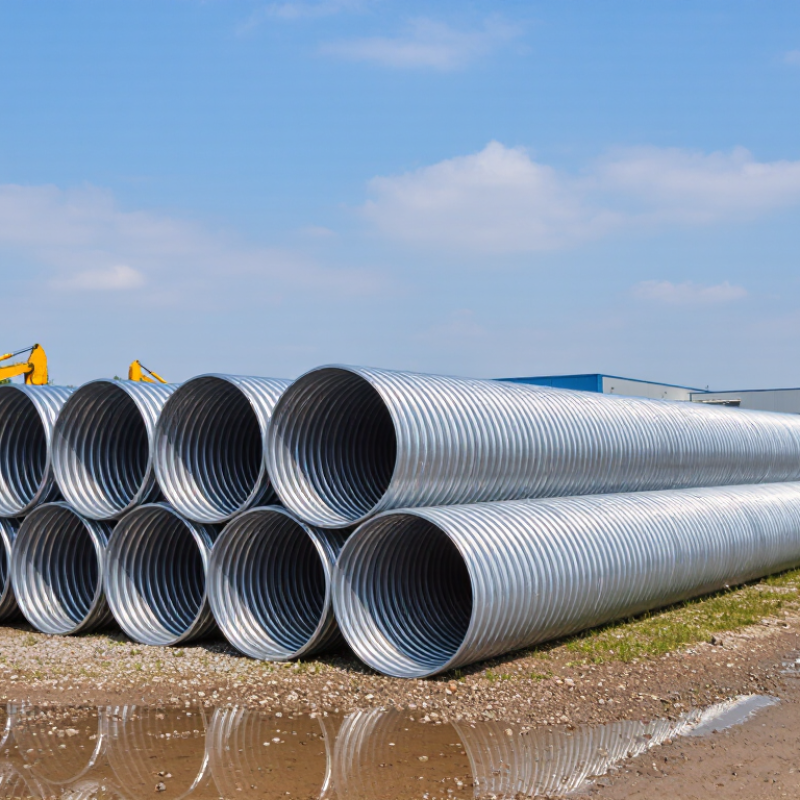
Corrugated Steel Pipe is often selected for drainage beneath roads, farms, and industrial sites. Yet a low quoted price can hide costly mismatches. Wall thickness, corrugation profile, coating, diameter, and connection details all affect performance. Small details matter.
Global buyers also need evidence, not broad promises. The World Steel Association’s World Steel in Figures 2024 reports 1,892.2 million tonnes of crude steel production worldwide in 2023. That figure describes the wider steel industry, not corrugated pipe availability or quality. For product requirements, buyers can consult ASTM A760/A760M, which covers metallic-coated corrugated steel pipe for sewers and drains. For hydraulic design, the Federal Highway Administration’s Hydraulic Design of Highway Culverts (HDS-5) provides established guidance on culvert capacity and site conditions.
This guide presents seven practical buying tips, from verifying specifications to checking freight, documentation, and supplier support. Ask for coating details, dimensional tolerances, and test records before approving an order. Compare like with like. A sample, drawing, or clear inspection plan can prevent avoidable disputes across borders. Still, published standards cannot replace a project-specific review. Soil chemistry, water flow, traffic loads, and installation quality may change the right choice. Some uncertainty remains. A careful buyer acknowledges it, then confirms assumptions with qualified engineers and the manufacturer.
Define Project Requirements and Operating Conditions
Before requesting quotes, define what the corrugated steel pipe must carry and where it will be installed.
Record peak flow, expected water depth, sediment, and whether branches or other debris may pass through. Small details matter. Specify the traffic loads above the pipe, cover depth, trench width, soil type, and groundwater level. These conditions affect pipe selection and how the surrounding soil supports it. A drawing may not show soft spots or seasonal water changes, so verify key details at the site.
Assess the operating environment, including soil and water acidity, chloride exposure, freeze-thaw cycles, and abrasive flow. Ask for relevant site test results rather than relying on a general description such as “normal soil.” Do not guess.
Define the required service life and discuss suitable corrosion protection and material thickness with a qualified designer. Confirm that the selected pipe can be transported, assembled, and installed using available equipment. Even a careful estimate can be wrong when field records are incomplete; flag uncertain measurements and check them before finalizing the specification.
Select Pipe Diameter, Corrugation Profile, and Wall Thickness
Choosing a corrugated steel pipe starts with the job, not a catalog number. Measure the required flow, cover depth, and available installation width. The inside diameter affects capacity, while the outside diameter must fit the trench and connections. For drainage, check peak flow and expected sediment, not just average water volume. A pipe that looks generous on paper can still collect debris near a shallow outlet. Details matter.
Corrugation profile affects stiffness, handling, and hydraulic smoothness. Deeper or differently spaced corrugations may suit demanding loads, but profile names and dimensions can vary between suppliers. Compare drawings and stated standards. Ask how the profile performs under planned soil cover and traffic loading. A common mistake is comparing nominal sizes only; verify the actual dimensions before ordering.
Wall thickness should match structural calculations, soil conditions, cover, and installation quality. Thicker steel is not automatically safer if bedding is poor or compaction is uneven. Confirm the specified metal thickness, coating, and tolerances in writing, then review them against the design. Leave room for field conditions. Check the fit. Measurements on site can be imperfect, so verify connection dimensions before shipment.
Compare Steel Grades, Protective Coatings, and Service Life
Global buyers should compare steel grades against the project specification, not just the quoted price. A higher-strength grade may suit heavier loads, but it does not automatically improve corrosion resistance. Ask for the grade designation, standard, and mill test certificate, then confirm they match the design documents. Small details matter.
Coating choice should reflect the pipe’s environment. Hot-dip galvanized steel is common, but buyers should check the stated coating mass or thickness, not accept “galvanized” as a complete description. Polymer coatings can add protection in aggressive conditions, though scratches and handling damage need attention. Inspect cut edges, corrugation valleys, and pipe ends in sample photos or during incoming checks. I still find coating descriptions too vague in some quotations.
Service life depends on more than the coating. Soil acidity, moisture, salts, drainage, abrasion, and installation quality all affect corrosion rates. A pipe under a dry access road faces different conditions from one carrying abrasive flow in wet soil. Ask suppliers for service-life assumptions and the test data behind them; treat unsupported year estimates cautiously. It depends. Keep records of coating specifications, site conditions, and inspection findings, since these help explain performance differences over time.
Verify Supplier Quality, Standards, and Product Documentation
Before placing an order, ask the supplier for documents tied to the exact corrugated steel pipe you need. A generic certificate is not enough. Check the steel grade, wall thickness, pipe diameter, corrugation profile, and coating details against your purchase specification. The mill test certificate should identify the material and, where available, its heat number. That small detail helps connect paperwork to the delivered batch.
Confirm which standards apply to your project, such as the specified ASTM, AASHTO, or EN requirements. Do not assume a supplier’s usual standard matches your engineer’s drawings. Ask for inspection records, dimensional reports, and coating-thickness results, then check dates, product descriptions, and document numbers for consistency.
One part is easy to overlook. Make sure certificates cover the ordered size and finish, not just a similar product. If details conflict, request a written correction before production or shipment. A quick review can prevent delays, though it cannot replace independent inspection when project risk calls for one.
Keep copies. At the receiving site, compare pipe markings and visible coating condition with the approved documents; record any mismatch before installation.
Evaluate Total Cost, Shipping, Inspection, and Installation Support
A low unit price can disappear once freight, unloading, storage, and inland delivery are added. Ask suppliers for a landed-cost breakdown, including pipe lengths, nesting plan, port charges, and delivery to the job site. UNCTAD’s Review of Maritime Transport 2024 reported that Shanghai–Europe spot container rates rose 256% between early December 2023 and late June 2024. Rates can move sharply. Confirm the quote’s validity period and who pays for delays or rebooking. The World Bank’s 2023 logistics analysis found international shipments took an average of 44 days from origin to destination, with substantial variation. Allow buffer time, especially when installation crews are already scheduled.
Inspection should match the project specification, not just the purchase order. Check pipe diameter, corrugation, wall thickness, coating condition, and end treatment against approved documents. Photograph scratches, dents, and bundle labels before unloading. Small details matter. Record any damage immediately; otherwise, responsibility can become difficult to establish. A mill certificate is useful, but it does not replace checking delivered dimensions and visible coating defects.
Installation support is part of the buying decision. Request handling instructions, bedding and backfill guidance, joint details, and a named technical contact before shipment. Confirm that the guidance suits local soil conditions and the project drawings. A technically sound pipe can still underperform if bedding is uneven or compaction is inconsistent. One caveat: supplier guidance cannot replace site-specific engineering review. Leave time for questions before the excavator arrives.