What Is a Commercial Printing Machine?
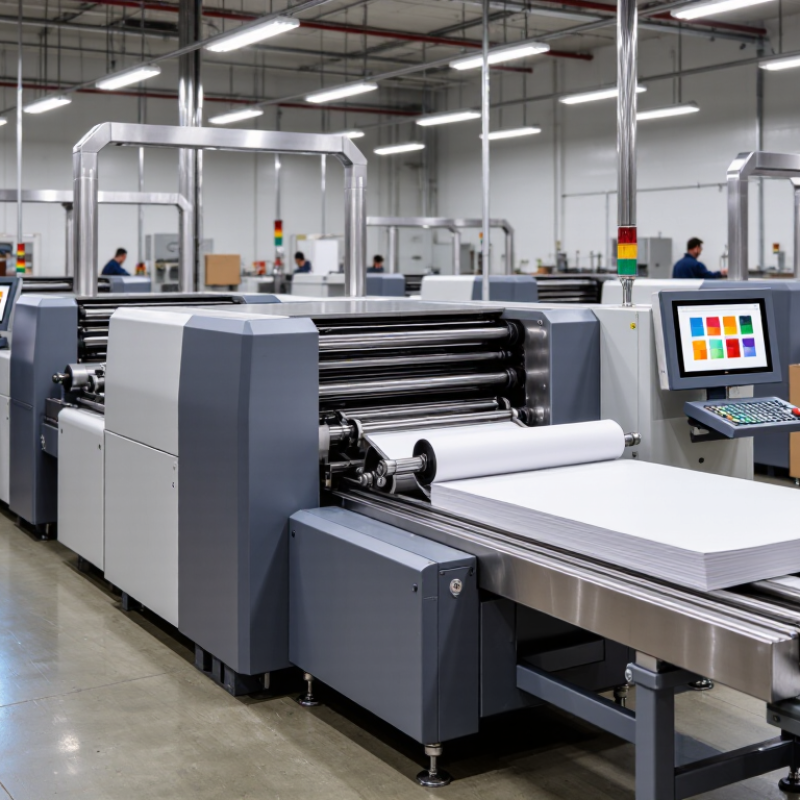
A Commercial Printing Machine is built to produce repeatable, high-quality printed work at scale. It may use offset, digital, flexographic, or other printing processes. The right choice depends on the job: a fast offset press can handle long runs, while a digital press can change artwork between copies. Picture a shop floor: paper feeds through rollers, color is checked against a proof, and finished sheets move toward cutting or folding. Small setup choices matter. A slight color shift can change the whole impression.
The market is evolving, not standing still. Smithers’ report, The Future of Global Printing to 2027, valued the global print market at $818.5 billion in 2022 and projected $846 billion by 2027. That broad figure includes many print segments; it is not a sales estimate for machines alone. It does, however, show why production efficiency, dependable color, and flexible workflows remain important. Industry educator Frank Romano is often associated with the observation, “Print is not dead; it is evolving.” Because no source text was supplied to verify that wording, treat it as an attributed summary, not a confirmed verbatim quotation. A machine is only part of the answer. Operators, maintenance, materials, and job planning shape the final result. This guide explains what commercial presses do, how their main types differ, and which practical details buyers should assess before choosing equipment.
What Defines a Commercial Printing Machine?
What Is a Commercial Printing Machine?
What Defines a Commercial Printing Machine?
A commercial printing machine is defined by its work, not simply its size. It produces printed materials repeatedly, at a scale and speed suited to business orders. Typical jobs include brochures, product labels, catalogs, and packaging inserts. Scale matters. So do consistent color, dependable registration, and the ability to handle the required paper or other substrates.
A useful test is whether the machine can meet production demands with predictable quality and cost. That may involve offset, digital, or another printing process; no single technology makes a machine “commercial.” Smithers’ report The Future of Global Printing to 2027 valued the worldwide print market at $818.5 billion in 2022. That figure reflects a broad industry, not a machine-size threshold. It helps explain why commercial equipment must serve varied jobs, from short-run personalized pieces to long, repeat orders.
Real production also depends on more than the press. Operators consider setup time, maintenance, finishing compatibility, and waste from misprints. A machine that prints quickly but causes frequent color shifts may not be commercially practical. The boundary is not perfectly neat. A small shop’s high-output digital press may qualify, while a large office copier may not, if it lacks reliable production controls or finishing options. The job defines the machine.
What Is a Commercial Printing Machine? — What Defines a Commercial Printing Machine?
| Dimension | What Defines It | Common Examples or Characteristics |
| Primary purpose | A production machine built to print materials for businesses, organizations, publishers, or other customers, usually as part of a professional print workflow. | Books, brochures, catalogs, posters, packaging, labels, business forms, and direct-mail pieces. |
| Production volume | Designed for repeatable output and sustained production beyond the typical needs of a personal desktop printer. | Depending on the process and job, production may range from short digital runs to very large press runs. There is no single volume threshold that defines every commercial machine. |
| Printing process | Uses a production printing technology selected for the job’s quantity, quality, substrate, and finishing requirements. | Common processes include sheet-fed or web offset lithography, production digital printing, flexography, gravure, and screen printing. |
| Substrate capability | Can be configured to print on materials suited to its feed system, ink or toner, and intended application. | Paper and paperboard are common; some systems also handle films, label stock, textiles, or other specialty materials. |
| Format and feed | Uses a defined sheet size or continuous-web format to move material through the printing process. | Sheet-fed presses print individual sheets; web presses print from a continuous roll. Maximum format varies by machine and configuration. |
| Color and image control | Provides controls for consistent reproduction across a job, including color management and process monitoring appropriate to the equipment. | May print in one or more colors, including process color (CMYK), spot colors, or monochrome, depending on the process and setup. |
| Setup and job preparation | Requires production preparation, which can include file preflight, imposition, plate making, calibration, makeready, or digital job setup. | Offset printing generally requires plates and press setup; digital production systems typically image directly from prepared digital files. |
| Finishing integration | May connect with equipment that converts printed sheets or webs into finished products. | Common downstream operations include cutting, folding, binding, laminating, coating, die-cutting, and folding-carton converting. |
| Commercial distinction | It is defined by its professional production role and capabilities, not simply by size, price, or a particular print technology. | A large machine is not automatically commercial, and commercial machines can use either digital or conventional printing processes. |
In brief: A commercial printing machine is production equipment used to create printed materials for professional or business purposes, with capabilities suited to the required volume, format, substrate, print quality, and finishing workflow.
How Does a Commercial Printing Machine Work?
What Is a Commercial Printing Machine?
How Does a Commercial Printing Machine Work?
A commercial printing machine transfers prepared artwork onto paper or other suitable materials. The process begins before printing. A technician checks the file for image resolution, page size, bleed, and color settings. Small errors can become obvious across thousands of copies.
The machine then feeds sheets or a continuous paper web through its printing units. In offset printing, ink moves from a plate to a rubber blanket, then onto the paper. Digital presses apply toner or ink directly from electronic files. Either way, precise registration keeps colors and images aligned. Sensors and test sheets help operators spot shifts, streaks, or uneven coverage. It is not always perfect.
After printing, sheets may pass through dryers or curing systems to help the ink set. They are then cut, folded, bound, or stacked, depending on the job. Operators monitor ink levels, paper movement, and print quality throughout the run. A short test run can reveal problems early, though it may not predict every issue during a longer job. The machine matters, but careful setup and steady checks matter just as much.
What Is a Commercial Printing Machine?
How does a commercial printing machine work? This chart compares representative rated production speeds for three common press types.
A press transfers ink or toner onto paper as sheets or a continuous web move through the machine. Digital presses image each piece directly; offset presses transfer ink from plates to a blanket and then to paper. The figures are illustrative rated-speed benchmarks, not universal specifications. Actual output depends on the press, paper, print quality, and job setup.
What Are Its Main Components?
A commercial printing machine is a coordinated system for transferring text and images onto paper or other materials. Its main components vary by printing method, but most presses share a strong frame, a material feeder, a printing unit, and a delivery section. The frame keeps moving parts aligned under pressure. The feeder separates sheets or guides a paper roll into the press. Small alignment errors here can become obvious later.
The printing unit does the image-making. In an offset press, plates transfer ink to a rubber blanket, which then presses the image onto paper. Ink rollers spread ink evenly, while dampening rollers control water on the plate. Not every commercial machine uses this arrangement; digital presses apply toner or ink through different systems. Registration controls help keep colors lined up, and sensors can detect sheet position or feeding problems. No component works alone.
After printing, sheets move through a delivery system, which may include a dryer or curing unit. This helps ink set before stacking or further finishing. A control console lets an operator adjust speed, color balance, and feed settings. In practice, even a good machine needs careful setup. I would not treat automated readings as a substitute for checking a sample sheet; paper texture and humidity can still change the result.
What Types of Commercial Printing Machines Are Used?
A commercial printing machine produces printed materials in consistent quantities, from brochures to packaging. The right type depends on run length, material, finish, and how quickly the job must be delivered. A glossy catalog and a cardboard label need different setups.
Offset presses transfer ink from plates to paper and suit long runs, such as magazines or large batches of flyers. Digital presses print from files without plates, making short runs and personalized pages easier. Flexographic presses use flexible plates and often print labels or packaging on rolls. Screen presses push ink through a mesh stencil, which can work well on fabric or other firm surfaces. Wide-format machines print posters, banners, and display graphics. Each has limits; no machine does every job equally well.
Tips: Match the press to the material and quantity before comparing prices. Ask for a sample on the actual paper or substrate. Check color consistency, finishing options, setup time, and waste during a test run. A fast machine may still be the wrong fit. Short jobs can favor digital printing, while large, repeat orders may justify offset setup. Even careful estimates can miss a detail, so confirm file specifications and delivery needs with the printer.
Where Are Commercial Printing Machines Commonly Used?
What Is a Commercial Printing Machine?
Where Are Commercial Printing Machines Commonly Used?
Commercial printing machines serve businesses that need repeatable, high-volume printed materials. Print shops use them for brochures, catalogs, posters, menus, and direct-mail pieces. Corporate print rooms produce training manuals, forms, and event materials close to where they are needed. Schools, hospitals, and public agencies also rely on them for schedules, guides, and everyday documents. The exact machine depends on the job: sheet-fed presses handle varied paper sizes, while web presses suit long runs on continuous rolls.
Packaging and label converters use commercial presses for cartons, sleeves, labels, and inserts. These products need clear small text, accurate color, and consistent registration across many copies. Smithers’ The Future of Global Printing to 2028 estimated the global print market at $818.2 billion in 2023, with growth projected through 2028. That scale reflects many end uses, not just books or office documents. U.S. Census Bureau data put e-commerce at 16.1% of retail sales in the fourth quarter of 2024; this is not a print-demand measure, but online orders still need physical labels and packaging. That matters. A limitation is easy to overlook: a fast press cannot fix poor artwork, unsuitable stock, or rushed finishing. In real production, small setup choices can leave visible marks.