What is a CNC Router Cutting Machine and How Does It Work?
CNC Router Cutting Machines are revolutionizing the manufacturing landscape. According to a report by Market Research Future, the CNC machining market is expected to reach USD 117.25 billion by 2028. This impressive growth highlights the increasing reliability and precision of CNC technology. Renowned industry expert Dr. Emily Chen states, "CNC routers have transformed how we create intricate designs, offering unmatched accuracy and speed."
These machines use computer numerical control to automate cutting tasks across various materials. Woodworking, metal fabrication, and plastic cutting are just a few applications. While the accuracy of CNC routers is commendable, issues can arise. Common challenges include software malfunctions and hardware wear that may affect performance. Regular maintenance and updates are crucial for optimal operation.
Investing in a CNC Router Cutting Machine can yield significant returns. However, it requires an understanding of machine capabilities and limitations. A poorly calibrated machine can lead to wasted materials and increased costs. Balancing technology and craftsmanship is essential for achieving the desired outcomes. As the industry evolves, ongoing education about these machines will remain vital for success.
What is a CNC Router Cutting Machine?
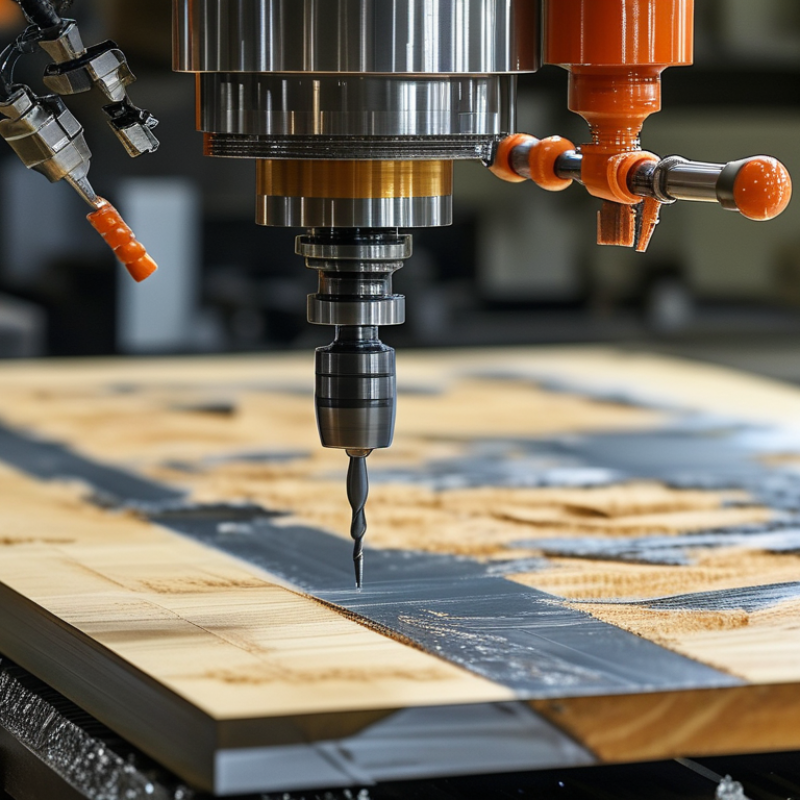
CNC router cutting machines are vital tools in modern manufacturing. These machines utilize computer numerical control to automate cutting processes. They can work with various materials, including wood, plastic, and metal. According to a report by MarketsandMarkets, the CNC machine tool market is projected to reach $100 billion by 2025, indicating significant growth in this sector.
The operation of a CNC router involves a rotating cutting tool that carves out designs programmed into the machine's software. Users can input designs via CAD (Computer-Aided Design) files. This technology allows for high precision and flexibility. A study from the International Journal of Machine Tools and Manufacture noted that CNC routers can achieve accuracy levels of 0.01 mm, making them ideal for intricate designs.
**Tips:** Maintain your machine regularly for optimal performance. Consider training on software updates to fully utilize capabilities. Always double-check designs to avoid costly errors. Proper material setup is crucial for efficiency and accuracy, even the best machines require meticulous attention to detail.
What is a CNC Router Cutting Machine and How Does It Work? | Dimension | Description |
| Machine Type | CNC Router |
| Cutting Area | Various Sizes (commonly 4'x8') |
| Material Compatibility | Wood, Plastic, Composite Materials, Aluminum |
| Cutting Speed | Up to 200 inches per minute |
| Control Software | G-code Compatible Software |
| Power Requirement | Single/Three Phase; Typically 220V |
| Typical Applications | Sign Making, Furniture Making, Prototype Development |
| Operation Mode | Automated Computer-Controlled Cutting |
| Maintenance | Regular Lubrication & Calibration Required |
Key Components of a CNC Router
CNC routers are intricate machines essential for precision cutting in various industries. Their key components significantly influence performance and accuracy. The primary element is the spindle, which rotates the cutting tool at high speeds. According to a report by IBISWorld, the demand for CNC machinery has grown by nearly 5% annually, reflecting its importance in manufacturing.
Another crucial component is the control system. This digital interface translates design files into movements. The software allows for complex designs to be executed with precision. Misalignment in this area can lead to costly errors. A study from the National Institute of Standards and Technology estimates that poor alignment can increase production costs by up to 30%.
Finally, the table where the material is placed is vital. It provides stability during cutting. Vacuum tables are commonly used to hold the material securely. Without proper material management, even the best tools can underperform. The challenges in ensuring quality and efficiency warrant constant evaluation of these components for optimal results.
How CNC Routers Operate: Step-by-Step Process
CNC routers are powerful tools used in various industries, from woodworking to metal fabrication. This technology allows for precise cutting and shaping of materials. The operation begins with creating a digital design. Designers often use CAD (Computer-Aided Design) software to outline the desired shape.
Once the design is complete, it is converted into a format that the CNC machine can understand. This usually involves G-code, which tells the router how to move. After loading the design, operators secure the material onto the machine's surface. Accurate placement is crucial. Any slight misalignment can lead to errors in the final product.
As the CNC router starts, its cutting tool moves along the programmed paths. Users can adjust speed and depth, though this tuning requires experience. Inconsistent settings might affect quality. Regular maintenance of the machine is necessary. Operators must be vigilant about tool wear and ensure everything runs smoothly. This attention to detail is what separates professional results from amateur ones.
Applications of CNC Router Cutting Machines
CNC router cutting machines have transformed various industries with their precision and versatility. These machines are widely used in woodwork, aerospace, automotive, and sign-making. According to a recent report by Research and Markets, the CNC machining market is expected to reach $117 billion by 2027, showing the growing reliance on automated cutting solutions.
In woodworking, CNC routers create intricate designs in cabinetry and furniture. They ensure that cuts are accurate, significantly reducing material waste. The aerospace industry benefits from CNC routers by fabricating lightweight components with complex geometries. This capability is crucial for improving fuel efficiency in aircraft. Meanwhile, sign-making businesses utilize CNC machines to produce high-quality, customized signs rapidly.
Despite their advantages, operators must be skilled to avoid errors. A miscalculation in programming can lead to wasted materials and increased costs. Additionally, maintenance of CNC machines is essential to ensure consistent performance. Regular inspections are necessary for optimal operation, which some businesses may overlook. As industries continue to adopt CNC routers, understanding these machines' complexities will remain vital.
Advantages of Using CNC Routers in Manufacturing
CNC routers have revolutionized the manufacturing landscape. Their precision and efficiency make them essential tools in various industries. By automating the cutting process, they reduce human error significantly. This leads to higher quality products that meet exact specifications.
Using CNC routers offers numerous advantages. First, they enable complex designs that are difficult to achieve manually. For instance, intricate patterns in wood or metal can be created seamlessly. Additionally, CNC routers can operate continuously, increasing production rates. They perform repetitive tasks with the same accuracy, eliminating inconsistencies.
**Tips:** Always maintain your CNC router. Regular cleaning and calibration ensure it runs at peak performance. Consider investing in quality materials. Poor materials can lead to unnecessary wear on the machine.
Despite their advantages, pitfalls exist. New users may struggle with software. The learning curve can be steep. Misprogramming can result in wasted materials and time. Learning from these mistakes is crucial. Don't hesitate to seek help or training when needed.
Advantages of Using CNC Routers in Manufacturing
This bar chart illustrates the advantages of using CNC routers in manufacturing, highlighting key factors such as precision, speed, cost efficiency, material versatility, and ease of use. Each factor is rated based on its importance in manufacturing processes, showcasing the significant benefits that CNC routers offer to manufacturers.