How to Choose the Right Flame Arrestor For Tanks?
Choosing the right Flame Arrestor For Tanks is crucial for safety and efficiency. Robert Jenkins, a senior engineer in fire safety systems, emphasizes, “A well-selected flame arrestor can save lives and property.” Understanding the specific requirements of your facility is essential. The right flame arrestor for tanks can prevent explosive incidents and manage pressure variations effectively.
In many cases, tank operators overlook the importance of compliance with safety standards. A flame arrestor must fit the unique design and purpose of the tank. The wrong choice could lead to catastrophic failures, affecting both personnel and the environment. Evaluating factors such as tank size, fluid type, and operational environment is necessary when selecting a flame arrestor for tanks.
Expert insight suggests that operators should not only consider the cost but also performance reliability. An inadequate flame arrestor may seem economical initially but could result in higher long-term risks. Therefore, investing time in understanding the specifics of flame arrestors will ultimately result in better safety outcomes. Engaging with professionals and conducting thorough research is crucial in this decision-making process.
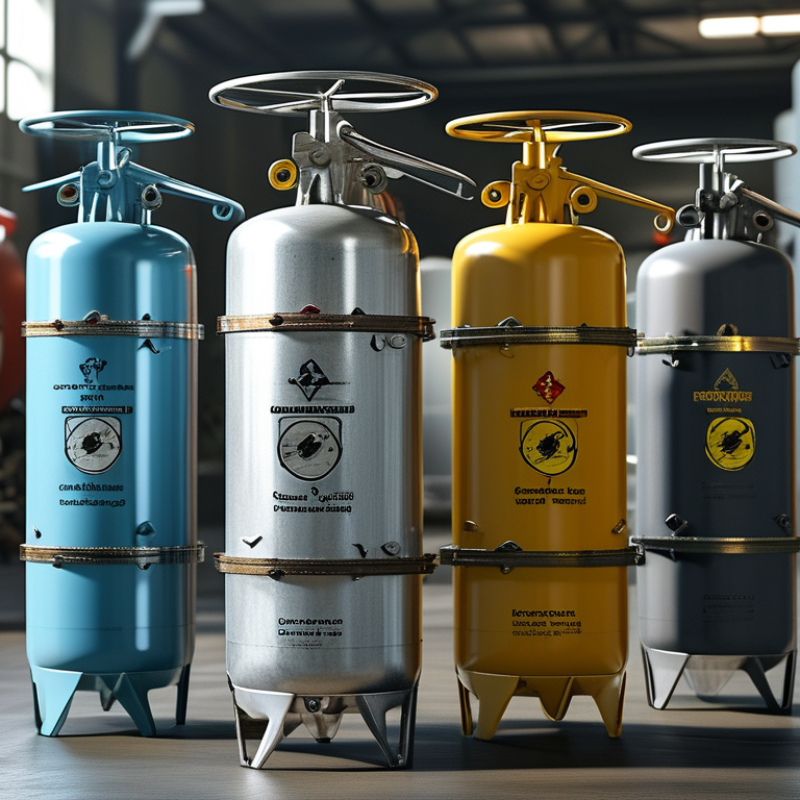
Understanding Flame Arrestors: Definition and Functionality
Flame arrestors are crucial safety devices in storage tanks. They prevent flames from entering the tank while allowing gas to escape. Understanding their function helps in selecting the right one for specific applications. Flame arrestors work by dissipating heat and interrupting the flame’s path, which is vital in volatile environments.
Choosing the right flame arrestor requires an understanding of the tank's operational conditions. Factors like temperature, pressure, and the type of gases involved play significant roles. Incorrect selection can lead to catastrophic failures. It’s essential to have a thorough evaluation and possibly consult with a safety expert. Misjudging specifications can result in compliance issues and dangerous situations.
Flame arrestors may vary in design and materials. Some are suitable for high-pressure systems, while others excel in low-pressure environments. Users must consider their actual needs. Relying on generic solutions could compromise safety. A careful approach, focusing on specific risks, enhances effectiveness. Employing a systematic evaluation can reveal areas needing attention, ensuring better protection against potential hazards.
Types of Flame Arrestors: Choosing the Right Type for Your Needs
When selecting the right flame arrestor for tanks, understanding the various types available is crucial. There are two main types: the passive flame arrestor and the active flame arrestor. Passive flame arrestors utilize physical barriers to prevent flames from propagating. According to the National Fire Protection Association (NFPA), passive systems have been proven effective in numerous industrial applications, reducing fire risk substantially.
Active flame arrestors, on the other hand, actively cool gases to extinguish flames. They are ideal for environments with volatile substances. A report by the American Gas Association indicates that using active arrestors can lead to a 30% reduction in ignition risks compared to traditional methods. These devices require regular inspection to ensure functionality, which adds a layer of complexity to their use.
Choosing the right type heavily depends on the specific application. Factors like tank size, the nature of stored materials, and environmental conditions significantly influence the decision. There is no one-size-fits-all solution, and improper selection can lead to inadequate protection, exposing facilities to potential risks. Regular training and consultation from professionals can enhance safety protocols.
Factors to Consider When Selecting a Flame Arrestor for Tanks
Selecting the right flame arrestor for tanks is crucial for safety. There are several factors to consider. The type of flammable materials stored in the tanks greatly influences your choice. Different substances have varying ignition properties. Understanding these is essential for effective protection.
The installation environment is another key factor. Flame arrestors must withstand specific temperatures and pressures. Consider the tank's location—indoor or outdoor—as environmental conditions can affect performance. Also, assess the tank's size. A larger tank might require multiple units to ensure comprehensive coverage.
Regular maintenance is often overlooked but is vital. Flame arrestors need inspections to maintain their reliability. Keep records of these inspections to track performance over time. Reflect on potential challenges and ask for professional advice when needed. It's better to err on the side of caution in matters of safety.
Installation and Maintenance Guidelines for Flame Arrestors
Installation and maintenance of flame arrestors are critical for ensuring safety in storage tanks. Proper installation can prevent catastrophic failures. First, ensure that the flame arrestor is oriented correctly according to manufacturer specifications. Incorrect orientation can lead to malfunctions. Additionally, inspect all seals and gaskets for wear. Any leakage can compromise the effectiveness of the device. Tightening mounting bolts to the correct torque is also essential. If the installation is done poorly, it can become a serious hazard.
Regular maintenance is just as important as installation. Periodically check for blockages in the arrestor. Dust, debris, or corrosion can impact performance. Cleaning should be done using non-corrosive materials to ensure longevity. It's also advisable to monitor the pressure and temperature surrounding the arrestor. Any irregular readings could indicate a need for a deeper investigation. Sometimes, it’s best to consult a professional for thorough checks. Be mindful that these measures require time and effort, but they are necessary for maintaining safety standards.
Safety Standards and Regulations for Tank Flame Arrestors
When selecting flame arrestors for tanks, adherence to safety standards is paramount. Various regulations govern the use of these devices. The Occupational Safety and Health Administration (OSHA) and the National Fire Protection Association (NFPA) provide guidelines that ensure the effectiveness of flame arrestors. Understanding these regulations helps in choosing the right type for your specific needs.
The materials used in flame arrestors must comply with industry standards. Often, stainless steel is preferred for its durability and resistance to corrosion. Proper installation is also crucial. A flawed installation can undermine the entire system, exposing tanks to potential fire risks. Regular inspections are essential to maintain compliance and ensure functionality. Neglecting this can lead to untimely failures, resulting in hazardous situations that could have been prevented.
Different environments may require different specifications. For instance, tanks that contain volatile substances may need specialized flame arrestors. Failing to assess the specific environment can lead to choosing inadequate protection. Attention to detail in regulations and environmental factors is key. A mismatch can have serious consequences. Recognizing these complexities can help enhance safety and improve operational reliability.
How to Choose the Right Flame Arrestor For Tanks?
| Criteria | Description | Safety Standards | Common Applications |
| Type of Flame Arrestor | End-of-line, combination, or in-line design | ATEX, NFPA, API | Storage tanks, process vessels |
| Material | Stainless steel, aluminum, or carbon steel | ASTM, ISO | Oil and gas industries, chemical storage |
| Pressure Rating | Maximum allowable pressure for operation | ASME, API 2000 | Petrochemical storage |
| Size and Capacity | Dimensions based on tank size and throughput | UL, FM Approvals | Large-scale storage facilities |
| Installation Considerations | Location, orientation, and accessibility for maintenance | Local regulations | Tanks near populated areas |