How to Choose the Right Excavator Bucket?
Choosing the right Excavator Bucket starts with the ground, not the machine’s paint or rated capacity. A narrow trench bucket can cut cleanly through compact soil, while a wider bucket moves more material in open ground. On a wet morning, sticky clay may cling to the sides; on a rocky site, sharp impacts can quickly wear a light-duty edge. Small details matter.
The best choice depends on material, task, machine size, and the bucket’s connection. Check the excavator’s operating limits and attachment specifications before comparing width or capacity. Consider teeth, cutting edges, wear plates, and how easily the bucket can be serviced. A bucket that looks productive on paper may slow the job if it is poorly matched to the soil or work cycle. Field conditions rarely stay perfect.
I can’t responsibly attribute a quotation to a named excavator-bucket expert without a verifiable source. A useful selection principle is simple: match the bucket to the material and task, then confirm that the machine can handle it safely. This guide explains how to assess bucket types, capacity, durability, and compatibility, so you can make a practical choice based on the work ahead—not guesswork. Check the details twice. A few minutes spent comparing specifications can prevent avoidable wear, poor fill, and frustrating delays.
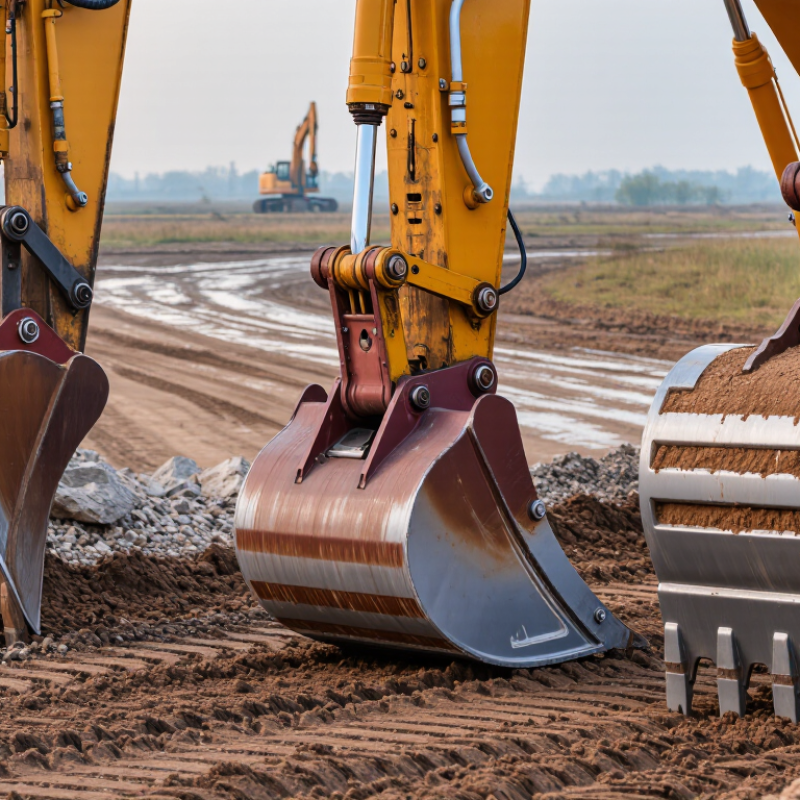
Identify the Excavator and Its Intended Work
Before comparing bucket shapes, identify the excavator accurately. Check its model, operating weight, and attachment setup in the machine manual or specification plate. Then confirm the coupler type, pin diameter, pin spacing, and space between the bucket ears. A bucket that looks close may still fit poorly or put stress on the connection. I still find this step easy to rush. Measurements matter more than appearance.
Next, define the actual work. A narrow trench needs a bucket sized to the trench and suitable for the soil, while general excavation usually calls for a more versatile profile. Hard, abrasive ground can wear cutting edges quickly; sticky clay may cling inside and slow each cycle. Consider digging depth, reach, material density, and how often the bucket will be full. A wider bucket is not automatically more productive if the excavator struggles to lift its load or loses stability. Check the machine’s rated capacity and attachment guidance before choosing. If possible, compare the bucket dimensions with the job’s drawings and inspect the coupler engagement before work begins. A quick fit is not proof of a safe, compatible match.
How to Choose the Right Excavator Bucket? - Identify the Excavator and Its Intended Work
| Excavator Operating Weight | Typical Bucket Capacity | Typical Bucket Width | Intended Work | Suitable Bucket Style | Selection Considerations |
| 1–3 tonnes | 0.02–0.10 m³ | 200–450 mm | Utility trenches, landscaping, and work in confined areas | Narrow trenching or general-purpose bucket | Prioritize machine stability, pin fit, and clearance in tight spaces. |
| 3–6 tonnes | 0.08–0.25 m³ | 250–600 mm | Small foundations, drainage, and light site preparation | General-purpose or trenching bucket | A narrower bucket can improve trench control; avoid excess capacity in dense soil. |
| 6–10 tonnes | 0.20–0.45 m³ | 300–750 mm | Drainage, road maintenance, and general excavation | General-purpose or reinforced bucket | Match the cutting edge and wear protection to soil abrasiveness and impact. |
| 10–20 tonnes | 0.40–0.80 m³ | 450–900 mm | Bulk earthmoving, utility work, and construction excavation | General-purpose, heavy-duty, or trenching bucket | Choose capacity according to material density, reach, and the machine’s rated limits. |
| 20–30 tonnes | 0.80–1.30 m³ | 600–1,200 mm | Large-scale excavation, loading, and quarry work | Heavy-duty or rock bucket | For rock or highly abrasive ground, use suitable wear protection and a robust cutting edge. |
| 30–45 tonnes | 1.20–2.20 m³ | 750–1,500 mm | Heavy earthmoving, production digging, and demanding rock applications | Heavy-duty, rock, or high-capacity bucket | Confirm payload, linkage compatibility, and lift limits before selecting a high-capacity bucket. |
Capacity and width ranges are indicative, not universal. Verify bucket compatibility and permitted loads in the excavator’s specifications. For a given capacity, lighter materials may allow a wider bucket; dense or wet materials generally call for a smaller capacity to stay within machine limits.
Compare Bucket Types for Different Materials and Tasks
Bucket choice starts with the material, not the widest available option. A general-purpose bucket suits mixed soil, sand, and light gravel. Its shape supports everyday digging and loading without specializing in one task. For narrow utility trenches, a trenching bucket cuts a cleaner profile and reduces excess excavation. Match its width to the required trench and machine capacity. Too narrow can slow production; too wide wastes material and fuel.
Rocky ground calls for a heavier, abrasion-resistant bucket with reinforced edges and suitable teeth. In sticky clay, a smoother interior can help material release instead of packing tightly. A ditching or grading bucket has a broad, shallow profile for shaping slopes and cleaning drainage channels. It is less suited to deep excavation. Small details matter: check pin dimensions, coupler fit, and the excavator’s load limits before use. Fit is critical.
No bucket is ideal for every material. A common mistake is choosing by appearance alone; a heavy bucket can reduce payload, while a light one may wear quickly in abrasive ground. Consider moisture, stone size, working space, and how often the task changes. Even a well-matched choice may need adjustment after a few shifts. Observe wear and material flow, then reassess.
Match Bucket Capacity to Material and Machine Limits
Bucket capacity is a weight decision, not just a volume choice. The USDA NRCS Soil Survey Manual (2017) gives typical mineral-soil bulk densities of about 1.0–1.6 tonnes per cubic metre. That range describes soil in place, not necessarily loosened material in a bucket. Moisture, rock, and digging conditions change the actual load.
Small difference. A wet clay bucket can strain a machine even when it looks only partly full.
Estimate payload using the material’s loose density and the bucket’s realistic fill, then include the bucket’s own weight. For example, 0.8 cubic metres of material at 1.5 tonnes per cubic metre is about 1.2 tonnes before adding the bucket. Treat that as a planning estimate, not a field guarantee. ISO 7451 defines a method for measuring excavator bucket capacity; its stated volume is not a promise that every pass will fill evenly.
Check the machine’s lift chart at the working radius and configuration, not only its maximum rating. A longer reach can reduce allowable lift.
Check the load. I would still recheck the estimate after the first few passes; muddy material often surprises you.
Check Bucket Width, Teeth, and Attachment Compatibility
Choose bucket width for the work area, not just the excavator’s maximum reach. A narrow trench may need a bucket that leaves little room at the sides. For general digging, a wider bucket can cover more ground, but it also carries more material. That added load can affect stability and cycle time. Wider is not always better.
Teeth matter too. Pointed teeth can help penetrate compacted soil, while wider cutting edges may suit softer material and produce a smoother finish. Check tooth spacing and wear before a job; worn teeth can make digging slower. Small detail, big difference. In mixed ground, the best choice may be a compromise, and that is worth admitting before work begins.
Confirm attachment compatibility before ordering or fitting a bucket. Compare the pin diameter, pin-to-pin distance, and coupler type with the excavator’s specifications. If the machine uses a quick coupler, check that the bucket locks securely and that any required hydraulic connections match. Measure carefully. A bucket that looks close may still have loose fit or poor alignment. Use the machine manual or ask a qualified equipment technician to verify dimensions, especially when measurements are uncertain.
Assess Durability, Maintenance Needs, and Operating Costs
How to Choose the Right Excavator Bucket?
Assess Durability, Maintenance Needs, and Operating Costs
Start with the material you handle most often. Abrasive gravel can wear cutting edges and bucket sides faster than soft soil. Check the edge thickness, weld quality, and wear plates, but do not assume the heaviest bucket lasts longest. Extra weight can reduce payload and slow cycles. A bucket that fits the excavator and digging conditions is usually the better choice.
Maintenance affects uptime. Packed clay around the pins can hide wear, so clean the bucket before inspecting it. Look for cracks near welds, loose hardware, and uneven edge wear. Follow the equipment maker’s lubrication schedule. Small checks matter. Repair costs are only part of the operating cost; downtime and slower digging also add up. A lower purchase price may not be a bargain if the bucket needs frequent repairs. Still, estimating wear is imperfect—soil conditions change, sometimes within the same job.
Tips: Compare expected service life, repair access, and bucket weight before buying. Ask operators what wears first on your site. Keep a simple log of repairs and edge replacements; actual records can challenge your assumptions.