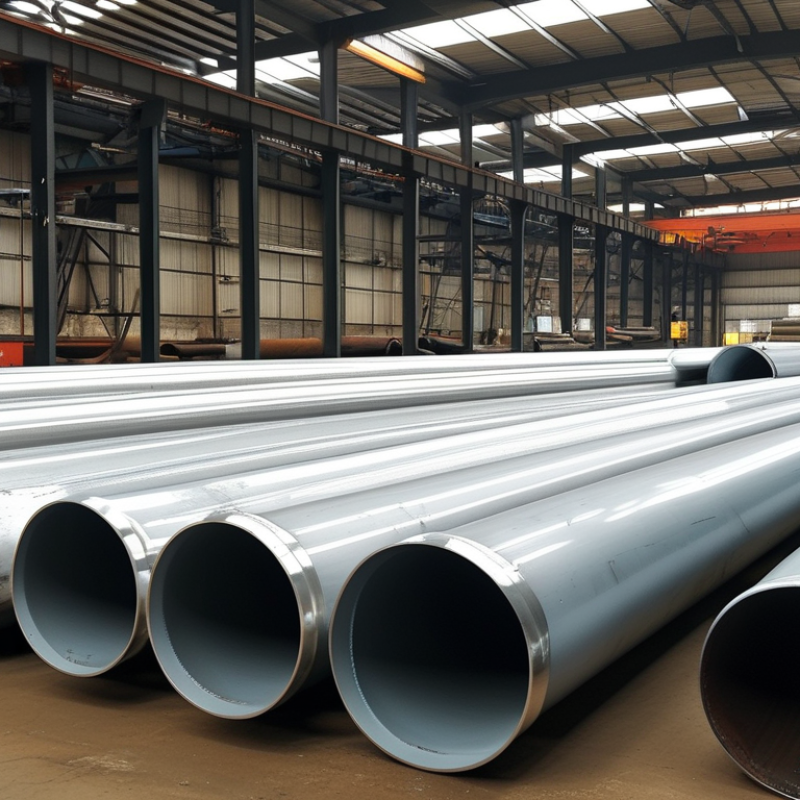
How to Choose the Right Aluminium Pipe for Your Needs?
Choosing the right Aluminium Pipe can be daunting. John Anderson, a leading expert in the metal industry, emphasizes, “The perfect pipe often depends on your specific needs.” His insight highlights the complexity of selecting an Aluminium Pipe.
Understanding your project requirements is crucial. Consider factors like application, environment, and pipe specifications. Aluminium Pipes come in various grades and sizes. Each type serves different purposes. For instance, thinner tubes may suit lightweight structures, while thicker ones could support heavy loads.
Consumers often overlook important details. They might choose a product based on price rather than suitability. This error can lead to inefficient use and increased costs. Reflecting on your needs and evaluating available options can yield better results. Selecting the right Aluminium Pipe ensures durability and functionality in your projects.
Factors to Consider When Selecting an Aluminium Pipe
Selecting the right aluminium pipe involves several key factors. Firstly, consider the pipe's intended application. Are you using it for construction, plumbing, or perhaps aerospace? Each application has specific requirements that need to be met. The diameter and wall thickness of the pipe will heavily influence its strength and weight. Knowing the demands of your project can guide you in choosing the right specifications.
Another essential factor is the environmental conditions the pipe will face. Aluminium can corrode, especially in saltwater or acidic environments. You may need to think about protective coatings or treatments to enhance durability. Additionally, evaluate the weight of the pipe, especially if it needs to be supported by other structures. Heavier pipes may require more robust support systems.
Finally, be aware of the manufacturing process. Different methods, such as extrusion or rolling, can affect the quality and performance of the pipe. Always check for certifications or standards that apply to your needs. Reflecting on these aspects can lead to a better selection, although making the right choice might feel overwhelming at first. It's common to question your needs and assumptions as you navigate the options available.
Different Types of Aluminium Pipes and Their Applications
Aluminium pipes come in various types, each serving different purposes. Understanding these types helps in selecting the right one for your needs.
Extruded aluminium pipes are common in construction. They offer strength and lightweight properties. These pipes are often used for frameworks and supports. Depending on their thickness, they can handle high pressure. However, choosing the right thickness can be challenging. It’s crucial to balance weight and strength based on specific project requirements.
Seamless aluminium pipes are another option, favored for fluid transport. They have a consistent internal diameter and eliminate weld seams. This design reduces the risk of leaks. Seamless pipes are ideal for high-pressure applications. However, they can be more expensive than extruded pipes, raising questions about cost versus performance.
For aesthetic applications, anodized aluminium pipes shine. These pipes have a protective layer that enhances appearance and durability. They are commonly used in decorative railings and furniture. While they resist corrosion, the anodizing process can be inconsistent, leading to potential color variations. Careful selection is necessary to ensure a uniform look.
How to Choose the Right Aluminium Pipe for Your Needs?
| Type of Aluminium Pipe | Specifications | Applications | Advantages |
| Round Aluminium Pipe | Diameter: 10mm - 200mm, Wall thickness: 1mm - 10mm | Structural applications, Exhaust systems | Lightweight, High strength |
| Square Aluminium Pipe | Size: 20mm x 20mm - 100mm x 100mm | Furniture, Handrails | Aesthetic appeal, Easy to fabricate |
| Rectangular Aluminium Pipe | Dimension: 30mm x 20mm - 150mm x 75mm | Manufacturing, Construction | Versatile use, Strong load capacity |
| Aluminium Tube | OD: 6mm - 25mm, Wall thickness: less than 1mm | Pneumatic and hydraulic systems | Corrosion resistance, Lightweight |
Key Specifications to Evaluate for Aluminium Pipes
When selecting an aluminium pipe, evaluating its key specifications is crucial. Start with the pipe's diameter and wall thickness. These dimensions greatly affect its strength and flow capacity. Standard sizes are widely available, but custom options exist as well. Ensure the chosen dimensions suit your specific project needs.
Next, consider the alloy type. Aluminium comes in various alloys, each with distinct properties. Some alloys offer higher strength, while others excel in corrosion resistance. Understanding your environment can guide your choice. Check for any certifications or compliance with industry standards. This ensures the material meets safety and performance criteria.
Finally, think about the finishing treatment. Different finishes can enhance durability and aesthetic appeal. Anodizing, for example, increases resistance to wear and corrosion. However, a simple brushed finish may suffice for certain applications. Reflect on the balance between cost and performance when making your decision.
Understanding the Aluminium Pipe Standards and Regulations
When selecting the right aluminium pipe, understanding industry standards and regulations is crucial. Various organizations, such as the ASTM (American Society for Testing and Materials), provide guidelines. For instance, ASTM B241 specifies the requirements for aluminium alloy pipes. This ensures the pipes are suitable for various applications, including construction and manufacturing.
Aluminium pipes must meet certain strength and corrosion resistance standards. The yield strength for many aluminium alloys ranges from 35 to 100 MPa, depending on the grade. This impact on the selection process is significant. It's essential to assess the pipe's intended use, such as temperature and pressure conditions. Many manufacturers also conform to ISO standards, which guarantee reliability and safety in production.
Choosing the right pipe is not just about dimensions or alloy. It's also about compliance with local regulations. Some regions have specific requirements that can lead to project delays if not adhered to. Professionals often overlook these details. This oversight can result in costly revisions later. Continuous education on the latest standards remains vital for those in the field.
Tips for Ensuring Proper Aluminium Pipe Installation and Maintenance
Proper installation and maintenance of aluminium pipes are crucial for longevity and efficiency. According to industry data, nearly 30% of aluminium pipe failures result from improper installation practices. To prevent these issues, it is essential to follow manufacturer guidelines. Ensure that the pipes are cut accurately using appropriate tools. Misaligned joints can lead to leaks and reduced system integrity.
Regular maintenance also plays a vital role. It is recommended to check for corrosion every six months, as aluminium can be prone to oxidative wear. Regular cleaning helps mitigate dirt accumulation, which can block flow and decrease overall performance. Engineers suggest using non-abrasive materials for cleaning to avoid scratching the surface. Accurate care can extend pipe life significantly.
Despite best practices, mistakes can happen. For instance, over-tightening fittings can cause deformation in the pipe. Monitoring pressure levels can help in spotting these issues early. Alleviating stress on the system can preserve functionality. Always keep records of inspections and repairs to inform future maintenance plans. These steps ensure the aluminium pipes perform optimally over time.