How to Choose the Best Double Roller Bearing for Your Needs?
Selecting the right double roller bearing is crucial for optimal performance in machinery. A comprehensive report by the Bearing Industry Association highlights that nearly 60% of equipment failures are linked to bearing issues. This statistic emphasizes the importance of understanding your needs when choosing a double roller bearing.
Dr. Emily Carter, a renowned expert in mechanical engineering, states, "The right bearing choice can significantly enhance the lifespan of your machinery." This insight illustrates the critical role that double roller bearings play in machinery efficiency. However, many users still struggle with the selection process.
With various options available, it's essential to consider factors like load capacity, speed ratings, and environmental conditions. Navigating these details can be challenging. Often, engineers overlook specific requirements, leading to mismatched components. Careful evaluation can prevent costly mistakes and improve operational reliability. Emphasizing these considerations will ultimately guide you to make informed decisions about double roller bearings.
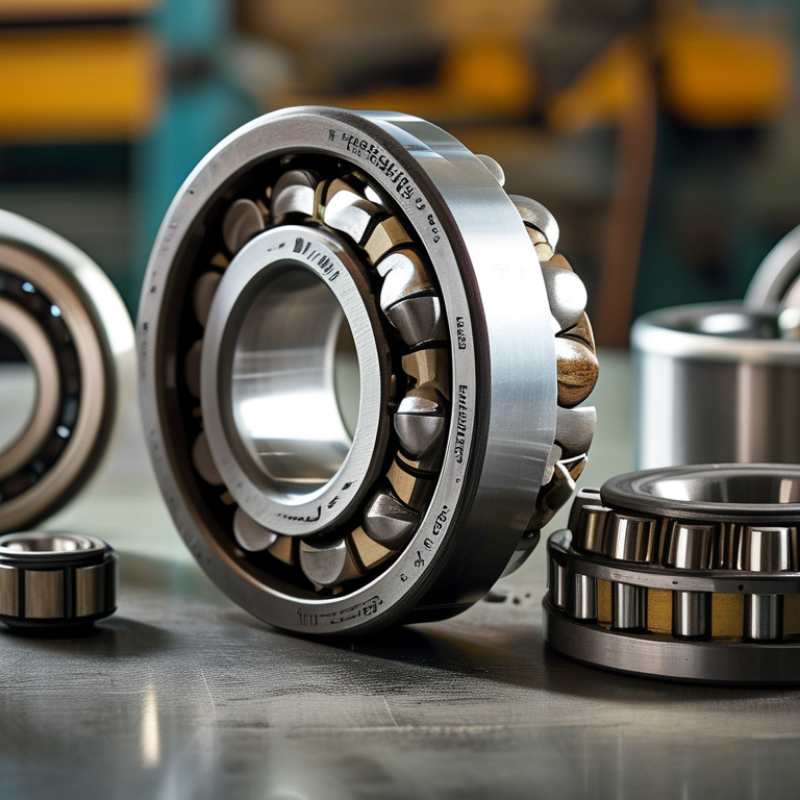
Understanding Double Roller Bearings and Their Applications
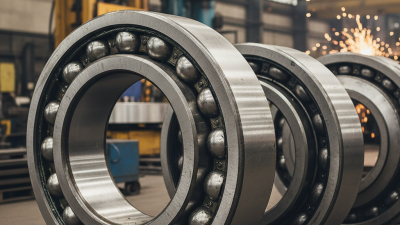
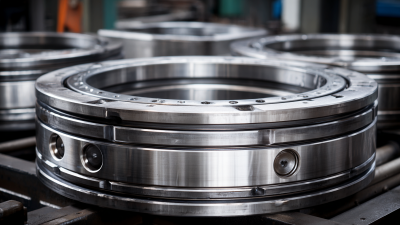
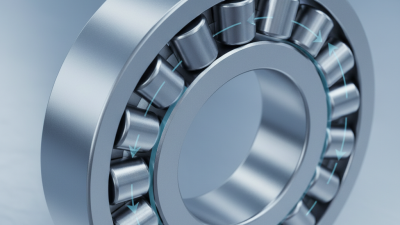
Double roller bearings play a crucial role in various industrial applications. These bearings are designed to handle radial and axial loads. They offer stability and reliability, making them suitable for heavy machinery and equipment. According to a recent industry report, the double roller bearing market is expected to grow by 5% annually through 2027. This growth highlights their increasing importance in sectors such as automotive, manufacturing, and aerospace.
In applications like conveyor systems and industrial pumps, double roller bearings provide smooth operation. They reduce friction and wear, prolonging the lifespan of machinery. However, proper selection is vital. Factors such as load capacity, speed ratings, and environmental conditions affect performance. Misjudging these elements can lead to failure or inefficiency, emphasizing the need for careful consideration.
Also, maintenance plays a pivotal role in ensuring the longevity of these bearings. Greasing and regular inspections are essential. Ignoring these can lead to premature wear. A study indicated that improper maintenance contributes to nearly 30% of bearing failures. Ultimately, understanding the specific needs of your application is key to choosing the right double roller bearing. It requires a proper balance of expertise, research, and sometimes a bit of trial and error.
Factors to Consider When Selecting Double Roller Bearings
When selecting double roller bearings, several key factors must be considered. First, the application environment plays a critical role. Bearings used in harsh environments require higher durability. Look for materials that resist corrosion and wear. Proper sealing mechanisms can enhance longevity and performance.
Load capacity is another vital aspect. Assess the dynamic and static loads the bearings will encounter. Insufficient capacity can lead to premature failure. It's important to match the bearing specifications with the operational demands.
Additionally, consider the lubrication method. Appropriate lubrication reduces friction and heat generation. Some applications may benefit from sealed bearings, while others might require grease fittings. Always factor in maintenance needs. A reliable bearing design can simplify upkeep but may require deeper initial analysis.
Understanding these considerations leads to better choices. Trial and error can reveal unforeseen challenges. Reflecting on past experiences helps refine future selections.
How to Choose the Best Double Roller Bearing for Your Needs?
Material Types and Their Impact on Bearing Performance
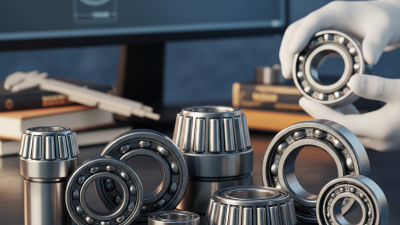
When selecting a double roller bearing, the material type significantly influences its performance. Common materials include steel, ceramic, and polymer. Each has unique properties that can affect durability, load capacity, and friction. Steel bearings are strong but may corrode under certain conditions. Ceramic options offer higher resistance to wear and heat but can be brittle. Polymer bearings provide lightweight solutions and resist chemicals, though they might not handle extreme loads as effectively.
Understanding material impact helps tailor choices to applications. For example, in high-speed environments, ceramic might outperform steel. However, the cost versus performance balance must be considered. Polymeric bearings can be cost-effective, yet their lifespan might not match that of metal counterparts.Reflections on past choices reveal that material selection is often a compromise, balancing cost, performance, and application needs.
Ultimately, identifying the right material requires understanding specific operational conditions. Examine factors such as temperature, load, and environmental exposure. Sometimes, experimenting with different materials leads to valuable insights. The journey can feel overwhelming, yet it hones decision-making skills for future applications.
How to Assess Load Capacity and Speed Ratings
When selecting double roller bearings, evaluating load capacity and speed ratings is crucial. Load capacity indicates how much weight the bearing can support without failure. It varies between different designs. Assessing the specific requirements of your application is essential. Consider the weight of the equipment. Also, note any dynamic forces that may occur during operation.
Speed ratings determine how fast the bearing can operate efficiently. Each bearing is designed for optimal performance within a specific speed range. Operating beyond these limits can lead to overheating and premature wear. It’s important to match the bearing with your application’s speed requirements.
Understand that not all bearings will meet your exact needs. Factors like temperature and lubrication can also impact performance. Sometimes, a bearing may seem ideal on paper but fail in real conditions. Testing and careful monitoring are necessary to ensure that your choice is effective in practice. The right balance of load capacity and speed can sometimes be hard to achieve, requiring careful consideration and adjustments.
How to Choose the Best Double Roller Bearing for Your Needs? - How to Assess Load Capacity and Speed Ratings
| Bearing Type |
Load Capacity (lbs) |
Speed Rating (RPM) |
Application |
| Double Roller Bearing A |
2000 |
3000 |
Conveyor Systems |
| Double Roller Bearing B |
3500 |
2500 |
Automotive |
| Double Roller Bearing C |
1500 |
4000 |
Industrial Equipment |
| Double Roller Bearing D |
3000 |
2000 |
Construction Machinery |
| Double Roller Bearing E |
2800 |
3500 |
Mining Equipment |
Maintenance Tips for Optimal Double Roller Bearing Longevity
When it comes to double roller bearings, maintenance plays a critical role in ensuring their longevity. Regular lubrication is essential.
Using the right type of lubricant helps reduce friction and wear. Too much grease can trap dirt, while too little leads to overheating.
Monitor the lubrication levels frequently to strike the right balance.
Inspect the bearings regularly for signs of wear or damage. Look for unusual noises or vibrations during operation. These can indicate that
the bearings are not functioning properly. If you notice anything amiss, don’t hesitate to investigate further. Though it may seem tedious,
this step can save significant time and money in the long run.
Finally, ensure the alignment of the bearings. Poor alignment can lead to excessive stress and premature failure. Use proper tools to
check the alignment frequently. A simple adjustment can make a world of difference in the performance and lifespan of double roller bearings.
While maintenance may require effort, it is essential for reliable operation.