

In 2026, choosing a CNC Machining Trainer requires more than comparing prices or polished course pages. Modern learners need practical instruction, accurate demonstrations, and measurable progress. A capable trainer should explain workholding, tool selection, feeds, speeds, offsets, and inspection clearly. The best programs connect digital simulations with real cutting conditions. Chips, vibration, and tool wear reveal lessons that videos often miss. That difference matters.
A reliable choice starts with evidence. Review the trainer’s machining background, teaching record, curriculum, and equipment access. Look for instructors who understand current CNC controls, CAD/CAM workflows, tolerancing, and shop-floor safety. Independent reviews can help, but testimonials alone provide weak evidence. Ask for a sample lesson, assessment method, and machine specifications. Can the trainer explain why a tool failed? Can students inspect a finished part? These details expose genuine expertise.
This guide examines those questions through a practical, experience-based lens. It considers beginner support, advanced problem-solving, feedback quality, software compatibility, and employer relevance. It also weighs cost against learning value, because the cheapest course may create expensive mistakes later. No trainer is perfect. Some highly skilled machinists teach poorly, while polished platforms may lack real machine time. That uncomfortable gap deserves attention. By comparing evidence, outcomes, and classroom realities, readers can choose a CNC Machining Trainer with greater confidence and fewer surprises. The goal is not a flawless promise. It is a defensible decision.
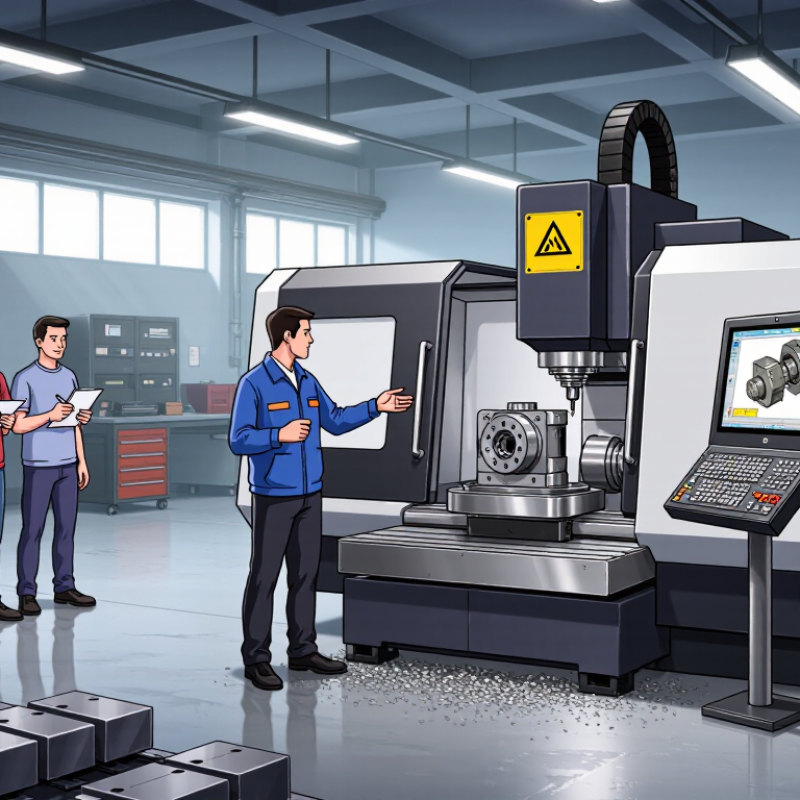
Choosing the best CNC machining trainer in 2026 starts with a precise training goal. Do you need shop-floor independence, exam preparation, or process planning skills? Your answer changes the trainer’s value. A beginner may need coordinate systems, tool safety, and drawing interpretation. An experienced machinist may need five-axis work, probing, or cycle optimization. Be honest about gaps. “I can run a machine” may hide weak setup knowledge.
Assess your current level through a practical task. Read a drawing, select a cutter, set work offsets, and explain each decision. Record where hesitation appears. A reliable trainer should respond to that evidence, not sell a fixed syllabus. Ask how lessons handle scrap, tool wear, incorrect offsets, and emergency stops. Real training includes imperfect parts. It should explain why a result failed. Look for instructors with production experience, documented teaching methods, and current knowledge of digital simulation and machine controls. Credentials help, but clear explanations matter more.
Match the learning format to your work conditions. Short supervised sessions can suit operators with limited machine access. A blended course may help engineers practice programming away from the shop. Request a sample lesson and a measurable skill plan. Include tolerances, inspection steps, setup time, and safe restart procedures. I would question trainers who promise mastery in a few days. Even capable learners misread drawings or forget a work offset under pressure. That uncomfortable detail deserves practice, not embarrassment.
| Skill Level | Primary Training Goal | Recommended Prerequisites | Core Topics to Cover | Practical Training Requirements | Recommended Trainer Profile | Typical Learning Duration | Evidence of Competence |
|---|---|---|---|---|---|---|---|
| Beginner | Build a safe foundation for operating and understanding CNC equipment. | Basic mathematics, ability to read simple technical drawings, and willingness to follow machine-safety procedures. | Machine components, coordinate systems, work offsets, tool identification, basic G-code, setup procedures, workholding, cutting-tool safety, and emergency stops. | Instructor-supervised machine demonstrations, simulator exercises, tool and workpiece setup practice, and simple two-dimensional machining tasks. | Trainer with strong safety experience, clear teaching methods, and the ability to explain machine functions without assuming prior CNC knowledge. | Approximately 2–5 days for introductory operation, depending on machine type and practice time. | Can identify major machine controls, load and verify a basic program, set work offsets under supervision, and complete a safe inspection checklist. |
| Intermediate | Develop independent setup, programming, and process-control skills for routine production work. | Basic CNC operation, measurement with calipers and micrometers, technical drawing comprehension, and familiarity with fundamental G-code. | Program structure, canned cycles, tool-length and diameter compensation, feeds and speeds, datum selection, inspection methods, workholding choices, and basic troubleshooting. | Complete setup-to-inspection projects, edit programs safely, measure first-off parts, identify dimensional errors, and optimize a stable cutting process. | Trainer with hands-on production experience, strong metrology knowledge, and the ability to connect programming decisions with part quality and cycle time. | Approximately 1–3 weeks of structured training, including supervised practice and assessment. | Can prepare a setup sheet, prove out a program, produce a conforming part, document measurements, and correct common setup or machining errors. |
| Advanced | Improve complex machining, process reliability, productivity, and technical problem-solving. | Independent CNC setup and programming, competent inspection skills, and experience with production documentation. | Multi-axis concepts, complex workholding, advanced toolpaths, process capability, tolerance control, tool-life management, machining optimization, automation concepts, and root-cause analysis. | Use real or representative production parts, compare alternative toolpaths, analyze process data, perform controlled optimization trials, and validate repeatability. | Trainer with substantial experience in complex machining, process engineering, quality control, and risk-managed program prove-out procedures. | Approximately 2–8 weeks for a focused advanced module, with additional time required for complex multi-axis or production-optimization projects. | Can develop and validate a complex process, justify tooling and cutting parameters, demonstrate repeatable results, and document corrective actions using measurable data. |
| Career Change | Move from a non-machining background into an entry-level CNC operator or setup role. | Basic numeracy, mechanical interest, workplace communication skills, and willingness to learn measurement and safety practices. | Shop-floor safety, blueprint reading, inspection basics, machine operation, tool handling, offsets, production documentation, and standard operating procedures. | Hands-on exercises should progress from measurement and identification tasks to supervised machine operation and basic part production. | Trainer who combines technical instruction with workplace coaching, uses plain language, and provides frequent feedback on safe work habits. | Approximately 4–12 weeks, depending on the learner’s prior mechanical experience and the role requirements. | Can follow documented procedures, inspect a part against a drawing, communicate an abnormal condition, and operate assigned equipment safely under workplace rules. |
| Engineering or Programming | Strengthen CNC programming, manufacturing-process planning, and design-for-machining decisions. | Technical drawing interpretation, manufacturing fundamentals, coordinate geometry, and basic knowledge of CNC machining operations. | CAD/CAM workflow, toolpath verification, post-processing concepts, fixture planning, tolerancing, material behavior, tool selection, cycle-time analysis, and process documentation. | Program representative parts, verify tool motion before cutting, compare machining strategies, and validate finished dimensions through inspection records. | Trainer who understands both shop-floor constraints and digital programming workflows, with experience reviewing programs for safety, manufacturability, and quality. | Approximately 1–4 weeks for a focused programming module, followed by project-based practice. | Can create a documented machining plan, verify toolpaths, explain parameter choices, and produce a part that meets defined dimensional requirements. |
Selection principle: Choose a trainer whose practical equipment, assessment method, safety coverage, and project difficulty match your target role—not simply the trainer offering the shortest course.