How to Choose Spunbond Polypropylene for Your Business Needs?
Choosing the right materials for your business is crucial. Spunbond Polypropylene is increasingly popular in various industries. This material is known for its versatility and durability. It is used in applications ranging from packaging to medical supplies.
Businesses often face challenges in making material choices. Spunbond Polypropylene offers a balance of performance and cost. However, not all suppliers provide the same quality. Understanding your specific needs is key. Consider factors like strength, weight, and potential environmental impact.
Investing time in research can save resources over time. Some manufacturers may claim benefits that don’t fully align with reality. Always seek reliable sources when selecting Spunbond Polypropylene. This will enhance your company's reputation and operational efficiency.
Understanding Spunbond Polypropylene: Properties and Benefits
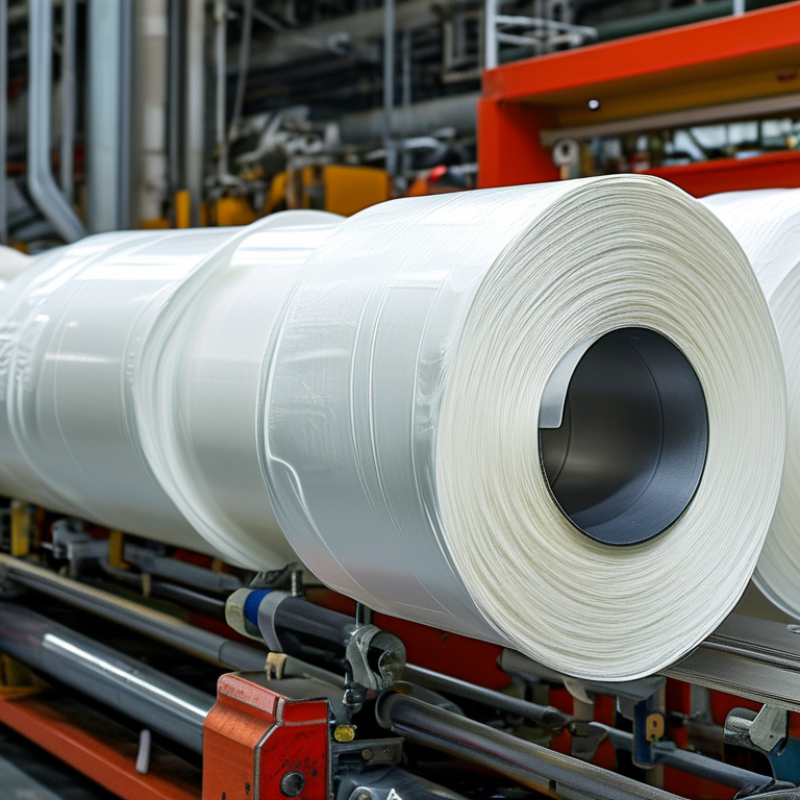
Spunbond polypropylene has unique properties that make it a popular choice for various applications. It is lightweight yet exceptionally strong, offering durability without adding significant weight to products. This material is also resistant to moisture, making it ideal for packaging and protective applications. Many businesses appreciate its breathability, which allows air circulation while maintaining an effective barrier against dust and dirt.
Another significant benefit is the eco-friendliness of spunbond polypropylene. It is recyclable and can be reused in multiple applications. This makes it attractive for businesses aiming for sustainability. However, companies must be mindful of the manufacturing process. While the material is generally considered safe, improper disposal can still lead to environmental challenges. Understanding these nuances is essential for making informed decisions.
When selecting spunbond polypropylene, consider the specific needs of your business. Evaluate factors such as thickness, tensile strength, and intended use. Do you need UV resistance or enhanced durability? Each variation serves different purposes. It's crucial to align these features with your operational requirements. Balancing these elements can be challenging, but the right choice can lead to improved efficiency and enhanced product quality.
Identifying Business Needs: Assessing Applications for Spunbond Polypropylene
Identifying the right spunbond polypropylene for your business requires a careful assessment of your specific applications. Different industries utilize spunbond polypropylene for various purposes, including packaging, agriculture, and medical applications. Start by analyzing your primary needs. For example, if you need strong and lightweight material for packaging, consider the thickness and fiber density.
It’s crucial to understand the environmental conditions the material will face. Will it be exposed to chemicals or UV light? These factors can impact durability and performance. Feedback from previous projects can guide your decision, allowing for greater reliability in your choice. Many businesses overlook the importance of testing samples before finalizing their selection.
There's also a balance to strike between cost and quality. While budget constraints are real, opting for the cheapest option might lead to issues down the line. Reflect on your long-term goals. Is the investment in higher-quality material justified for your operational needs? Finding the right spunbond polypropylene for your business is a process that requires observation and adjustment.
Evaluating Quality: Key Factors in Selecting Spunbond Polypropylene
When selecting spunbond polypropylene, quality is paramount. Consider its weight and density. Heavier materials often offer better durability. Standard weights range from 10 to 150 grams per square meter. This variance affects strength and usability. Evaluate if the chosen weight suits your application’s specific demands.
Next, assess the material’s breathability and water resistance. These factors influence performance in various environments. For instance, breathable fabrics are ideal for agriculture, while water-resistant options work best in packaging. Testing samples beforehand can reveal much about both qualities.
Finally, examine the production methods. Quality assurance during manufacturing impacts the final product. Suppliers’ reputation matters here, as it is tied to their practices. Asking for certifications ensures reliability. A transparent supply chain signals trustworthiness. Keep in mind that not every product meets all needs perfectly. Navigating these selections may require adjustments and flexibility.
Cost Considerations: Budgeting for Spunbond Polypropylene in Business
When budgeting for spunbond polypropylene, think about both short- and long-term costs. Material prices can vary. Ensure you account for shipping, storage, and production needs. Sometimes, cheaper options may lead to higher costs in waste or replacement.
Consider your specific use case. Different applications require different grades of spunbond polypropylene. This affects price and performance. Higher quality materials may cost more upfront but offer better longevity. Evaluate your expected return on investment.
Tips for managing costs effectively include sourcing multiple quotes. This helps you understand average pricing in the market. Monitor price fluctuations and industry trends. Establish a budget that includes unexpected expenses. This will allow for financial flexibility in your project. Always reassess material usage to reduce waste. This not only saves money but also aligns with sustainability goals. Adjusting your strategy can lead to significant savings.
Supplier Selection: Finding Reliable Sources for Spunbond Polypropylene
When selecting a supplier for spunbond polypropylene, focus on reliability and quality. The global market for spunbond polypropylene is projected to grow significantly, with an expected compound annual growth rate (CAGR) of 5.6% from 2022 to 2030, according to recent industry reports. Identifying a trustworthy supplier can streamline your production process.
One crucial tip is to assess the supplier's manufacturing standards. Verify if they adhere to ISO certifications or other quality assurance benchmarks. Engaging with suppliers who employ advanced technologies may yield better material quality. Additionally, examine their track record by requesting references or case studies from previous clients.
Another important factor is the supplier’s ability to meet your specific needs. Understand their product range and flexibility in customization. According to market analysis, a significant 70% of businesses have reported that tailored solutions improve their operational efficacy. However, finding the right fit may take time and ongoing communication. Regular feedback loops with your supplier can unearth improvements in the production process. Always be prepared to reassess if the partnership does not align with your evolving needs.