How to Choose the Right Drone Lithium Battery for Your Needs?
In the rapidly evolving world of drone technology, the importance of selecting the right Drone Lithium Battery cannot be overstated. According to a recent report by MarketsandMarkets, the global drone battery market is projected to reach $1.3 billion by 2026, highlighting the growing demand for efficient and reliable battery solutions. Proper battery selection can significantly impact flight times, payload capacity, and overall performance.
Drone Lithium Batteries come in various types, capacities, and voltages. A detailed understanding of these specifications is essential for both hobbyists and professionals. For instance, a Lithium Polymer (LiPo) battery is favored for its lightweight properties, but it requires careful handling to prevent risks. Conversely, Lithium-Ion batteries offer longer lifespans, yet they might not deliver the same level of power output during intense maneuvers.
Navigating these choices can seem overwhelming. Many users may overlook critical factors, such as discharge rates or environmental conditions, which can affect battery performance. This inadequacy often leads to suboptimal drone operation and could even result in costly setbacks. Thus, investing time in understanding Drone Lithium Battery options is crucial for achieving your specific aviation goals.
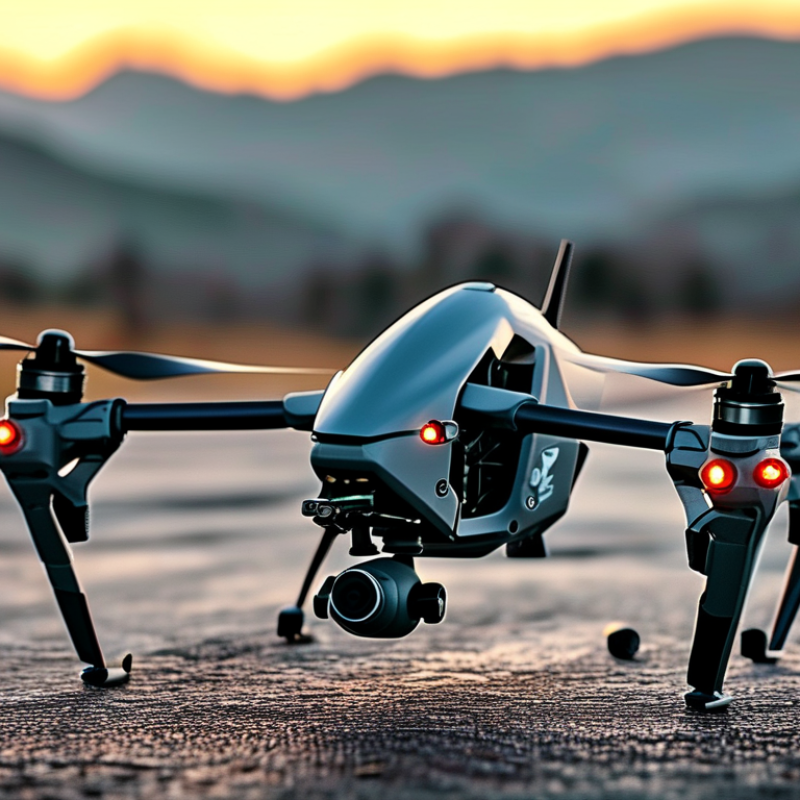
Understanding Drone Lithium Battery Types and Specifications
Understanding drone lithium battery types and specifications is crucial for optimal drone performance. Lithium Polymer (LiPo) batteries are the most common in drone technology due to their high energy density and lightweight properties. According to a report by Market Research Future, the drone battery market is expected to grow significantly, with LiPo batteries making up a large share due to their efficiency. These batteries come in various capacities, typically measured in milliampere-hours (mAh). A higher mAh rating means longer flight times, but it also results in increased weight.
Another important specification is the discharge rate, represented as a "C" rating. This value indicates the maximum current the battery can safely deliver. For instance, a 25C battery can provide a continuous current that is 25 times its capacity. Selecting the right C rating is essential for ensuring that your drone performs optimally, especially during demanding maneuvers like fast ascents or rapid turns. Conversely, high C ratings can lead to decreased battery lifespan if mismanaged.
Voltage is another significant factor. Most drone batteries operate at 3.7 volts per cell, but configurations can vary. Understanding how these specifications interact can help you avoid performance issues. A mismatch in voltage or inadequate capacity might result in underwhelming performance or even crashes. It's important to choose a battery that aligns well with your drone's requirements. There's no one-size-fits-all solution; thorough research is always needed.
Evaluating Battery Capacity and Runtime for Your Drone
When selecting a drone lithium battery, understanding battery capacity and runtime is crucial. Battery capacity is typically measured in milliamp hours (mAh). A higher mAh rating means longer flight time. For instance, a drone with a 4000mAh battery may fly up to 20 minutes, while a 2000mAh battery might only last 10 minutes.
Tips: Always check the weight of the battery. A heavier battery can reduce flight efficiency. Balance capacity with the drone’s overall weight.
Runtime is affected by various factors, including environmental conditions and drone functions. Windy conditions can drain battery life more quickly. Active features like cameras and GPS also consume energy. Plan your flights considering these variables.
Tips: Consider multiple batteries for longer sessions. Swapping batteries can maximize your flying time. Learning to manage battery usage is essential for optimal performance.
Drone Lithium Battery Capacity and Runtime Comparison
This chart compares the capacity (measured in milliampere-hours, mAh) and estimated runtime (measured in minutes) of various lithium batteries suitable for drones. Each battery has different characteristics affecting its performance and suitability for specific drone types.
Assessing Discharge Rates and Performance Requirements
When selecting a lithium battery for your drone, understanding discharge rates is crucial. Discharge rate indicates how quickly a battery can deliver power. It’s commonly measured in C-ratings. A battery with a higher C-rating can release more energy rapidly. This is essential for racing drones that require swift acceleration. However, more power can lead to shorter flight times due to increased energy consumption.
You must also consider your drone's performance requirements. Different drones have varying power needs based on their size and purpose. A heavy-lift drone may need a battery that can sustain high discharge rates for longer periods. In contrast, a lightweight drone used for aerial photography might prioritize longer flight times over rapid acceleration. Evaluate the use case carefully before making a decision.
Sometimes, balancing power and runtime can be challenging. A battery that performs well under load may not last as long during casual flights. This inconsistency can lead to frustration during use. It’s vital to analyze how the drone will be used most frequently and choose a battery that fits these scenarios best. Ignoring these details might result in suboptimal performance or even equipment damage. Making the right choice involves weighing all these factors thoughtfully.
How to Choose the Right Drone Lithium Battery for Your Needs? - Assessing Discharge Rates and Performance Requirements
| Battery Type | Voltage (V) | Capacity (mAh) | Discharge Rate (C) | Weight (g) | Dimensions (mm) |
| 3S LiPo | 11.1 | 2200 | 30C | 240 | 150 x 40 x 30 |
| 4S LiPo | 14.8 | 3200 | 25C | 400 | 160 x 50 x 35 |
| 2S Li-ion | 7.4 | 5000 | 15C | 350 | 140 x 50 x 30 |
| 3S Li-ion | 11.1 | 4000 | 20C | 300 | 150 x 60 x 40 |
Considering Weight and Size Constraints for Drone Batteries
When selecting a drone lithium battery, weight and size are critical factors. Battery weight directly impacts flight time and stability. Heavier batteries can lead to shorter operational durations. Finding a balance is key. For drones used in racing, lighter batteries are essential for speed and agility. Conversely, for aerial photography, a slightly heavier battery might provide the necessary power for extended shooting sessions.
Size constraints must also be considered. Batteries come in various dimensions, affecting how well they fit within the drone's design. A bulky battery may obstruct other components or disrupt airflow, which can ultimately hinder the performance of the drone. It’s important to check the specifications of the drone model to ensure compatibility. Failure to do so may result in improper installation or even damage.
Moreover, battery life can vary widely, depending on the size and weight. Small batteries might discharge quickly, while larger ones can offer longer usage but add weight. Users should closely evaluate their specific needs and usage scenarios. Reflecting on these aspects is crucial. The right choice enhances performance and ensures a satisfying flying experience.
Maintenance and Safety Tips for Lithium Batteries in Drones
Lithium batteries are crucial for drone performance. Yet, they require careful handling and maintenance. A recent industry report highlights that improper battery care can reduce lifespan by up to 30%. Understanding these risks is essential for safe flying.
Store batteries at optimal temperatures. Ideal conditions range from 20°C to 25°C. Storing them too cold or too hot can cause performance issues. Allowing batteries to discharge below 3.0V can lead to irreversible damage. Regularly check voltage levels. This habit ensures longevity and reliability.
Charging practices also matter. Use appropriate chargers and avoid overcharging. Reports indicate that nearly 20% of battery failures stem from excessive charging. Always inspect for damage before use. Physical signs can indicate internal issues. Following these guidelines provides a safer flying experience, yet many users overlook these details.