2026 How to Choose the Right Aerial Platform Rotary Actuator?
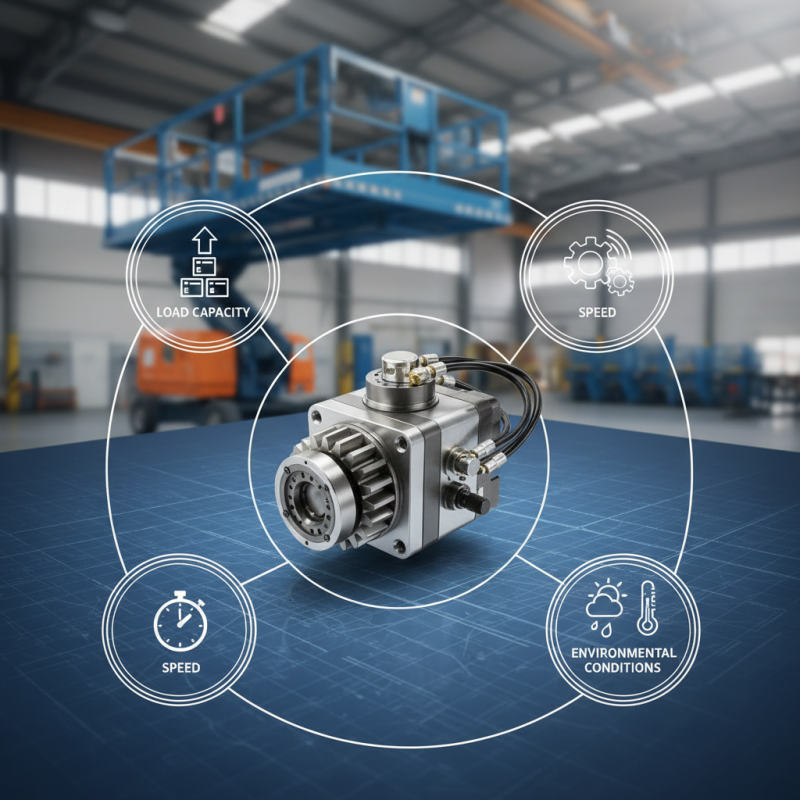
When tasked with selecting the right Aerial Platform Rotary Actuator, it's vital to understand various factors. This choice greatly impacts the functionality and efficiency of your aerial application. Many factors come into play, including load capacity, speed, and environmental conditions.
Aerial Platform Rotary Actuators are essential for smooth operation, especially in industrial settings. They help lift, lower, and rotate equipment. However, not every actuator suits every application. Consideration of the specific needs of your project can prevent costly mistakes.
Choosing the wrong actuator can lead to failures. These failures may result in safety hazards or project delays. The complexity of your aerial system demands adequate planning and precise selection. Therefore, understanding the technical specifications and capabilities of available actuators is crucial. Ensure that your decision is informed and robust.
Understanding Aerial Platform Rotary Actuators: An Overview
Understanding aerial platform rotary actuators is essential for various industries. These devices enable precise movement and are critical in construction, aviation, and robotics. According to a recent industry report, the global market for rotary actuators is expected to grow by 6.5% annually. This growth reflects increasing demands for precision and efficiency in machinery.
When selecting an aerial platform rotary actuator, consider load capacity and range of motion. Different projects require specific performance metrics. For instance, an actuator for heavy lifting must support larger loads, while others may prioritize speed over weight.
Tip: Always confirm the actuator matches your system’s specifications. Inconsistent data can lead to costly errors.
Material quality also plays a vital role. Many actuators are constructed from aluminum or carbon fiber for durability. However, cheaper options may compromise reliability. Balancing cost with quality is key.
Tip: Review user testimonials and industry certifications for guidance.
Proper maintenance can extend an actuator's lifespan. Regular checks can reveal wear or misalignment early on. Skipping these steps may lead to malfunction.
2026 How to Choose the Right Aerial Platform Rotary Actuator?
| Parameter | Value | Description |
| Torque Output | 5-300 Nm | Range of operational torque based on the actuator design. |
| Operating Voltage | 12V, 24V | Common voltage ratings for aerial platform actuators. |
| Speed | 1-10 rpm | Speed range for smooth operation and positioning. |
| Size | Compact (30cm x 15cm) | Ideal dimensions for integration in tight spaces. |
| Weight | 3-8 kg | Weight considerations for aerial platform payloads. |
| Material | Aluminum, Steel | Durable materials used for robust construction. |
| Protection Class | IP65 | Water and dust resistance rating for outdoor use. |
Key Factors to Consider When Choosing an Aerial Platform Rotary Actuator
When selecting an aerial platform rotary actuator, several key factors demand attention. The actuator's torque requirement is critical. Proper torque ensures the platform can elevate and maneuver effectively. Underestimating torque can lead to performance issues. Consider the application too. Different tasks may require different actuator types.
The actuator's size and weight are also essential. A bulky actuator may add unwanted strain to your aerial platform. Assessing the load capacity is necessary. Platforms often experience varying loads, making this a crucial consideration. Additionally, understanding the actuator's speed and response time influences performance. Slow response can hinder efficiency in dynamic operations.
Lastly, materials and environmental resistance matter. Outdoor platforms face weathering challenges. Choosing an actuator made from robust, weather-resistant materials is wise. Regular maintenance plays a role in longevity, too. Reflecting on these elements can guide you toward a reliable decision. It’s easy to overlook some details, but thorough analysis is beneficial.
Types of Aerial Platform Rotary Actuators and Their Applications
Aerial platform rotary actuators come in various types, each suited for specific applications. These actuators are vital in industries like construction, aerospace, and factory automation. For instance, electric rotary actuators are commonly used for precise control in elevation adjustments. They are valued for their energy efficiency and low maintenance needs.
Pneumatic actuators, on the other hand, excel in environments requiring rapid movements. Their fast response times make them ideal for assembly lines where speed is essential. Hydraulic actuators, while powerful, require careful handling due to their complexity. Over time, users might find that the maintenance of hydraulic systems can lead to unexpected costs and downtime.
Selecting the right actuator can be challenging. It often requires consideration of load capacity, speed, and the surrounding environment. Many operators learn from experience that not every actuator fits their needs. Evaluating specific requirements can often clarify what type of actuator will be the most effective. Balancing these factors can significantly influence overall productivity and long-term reliability.
2026 Aerial Platform Rotary Actuator Types and Their Applications
Evaluating Specifications and Performance Metrics for Actuators
When choosing an aerial platform rotary actuator, specifications and performance metrics become essential factors. Understanding the load capacity is crucial. This metric determines how much weight the actuator can handle during operation. Insufficient load capacity can lead to failures, impacting safety and efficiency.
The speed of the actuator is another vital specification. It dictates how quickly the platform can move. Finding the right balance between speed and torque is necessary. For certain applications, slower movements allow for more precise control. However, this might come at the cost of efficiency in others.
Tips: Always evaluate the environment where the actuator will be used. Consider temperature extremes and exposure to moisture. These factors can affect performance and durability. Also, review any specific application requirements. They can impose unique demands on the actuator, which standard models may not fulfill. Use these evaluations to guide your decision in selecting the right actuator.
Cost-Benefit Analysis of Aerial Platform Rotary Actuators
When selecting aerial platform rotary actuators, a cost-benefit analysis is crucial. These actuators play a key role in various applications, from construction to entertainment. Understanding both their costs and benefits can guide buyers in making informed decisions.
Costs can vary significantly based on specifications and features. Choosing a high-end model might seem appealing due to its reliability and advanced capabilities. However, this choice can lead to increased maintenance costs over time. Sometimes, a mid-range option meets operational needs adequately, providing sufficient performance at a lower price.
On the benefit side, effective actuators enhance efficiency and productivity. They allow for precise movements, which can vastly improve the safety and effectiveness of aerial operations. Businesses that overlook this may face operational hampers. Comparing initial investments against long-term gains is essential. An actuator that seems expensive might pay off through enhanced operations. Therefore, continually reassessing options based on actual performance helps in refining future purchases.