How to Choose Pu Foam Insulation Sealant in China?
Choosing the right Pu Foam Insulation Sealant In China can be a daunting task. With the market flooded with options, making an informed decision is crucial. Quality varies greatly between products, impacting performance and durability. Understanding the characteristics of PU foam insulation sealants is essential for achieving optimal insulation.
When selecting a sealant, consider factors such as application method, curing time, and thermal resistance. These attributes can significantly influence your project's success. Additionally, local climate conditions in China should guide your choice. Not all sealants perform equally under varying temperatures and humidity levels.
It's also important to reflect on your specific needs. Are you focusing on energy efficiency or moisture resistance? Consulting experts or reviewing reliable sources can help clarify uncertainties. However, don’t overlook the importance of trials and assessments. Real-world application often reveals imperfections in even the most trustworthy products. Therefore, being diligent in your selection process is vital to ensure satisfaction and effectiveness.
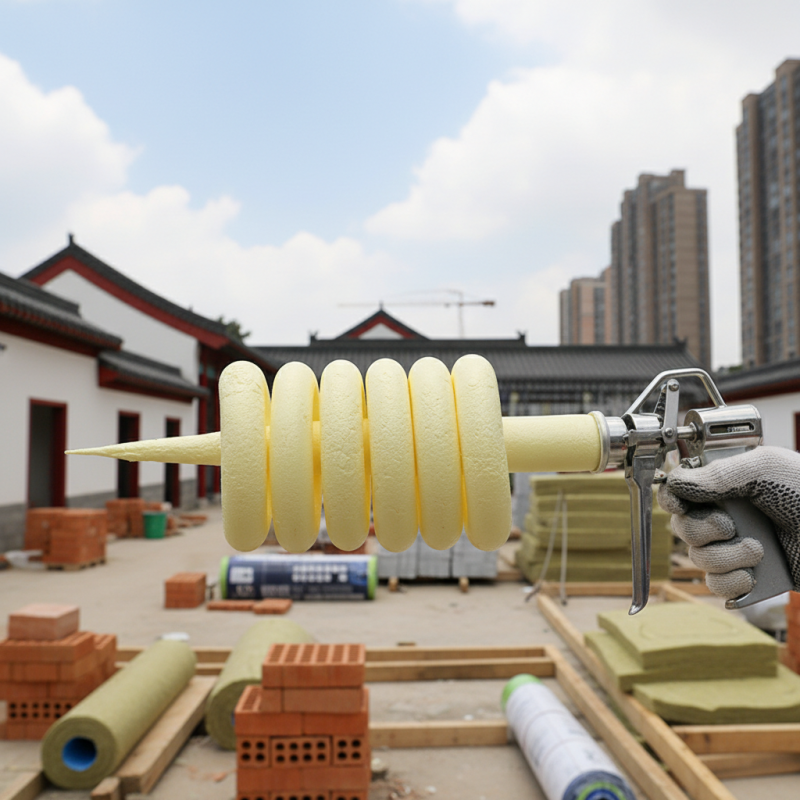
Understanding Pu Foam Insulation Sealant and Its Benefits
Polyurethane (PU) foam insulation sealant is widely used in construction and renovation projects. Its unique properties make it an effective choice for sealing gaps and providing thermal insulation. One major benefit is its ability to expand upon application, filling gaps that other materials might miss. This ensures a tight seal, contributing to energy efficiency in buildings.
Understanding the applications of PU foam sealant is crucial. It can be used in walls, roofs, and even around windows and doors. When applied correctly, it minimizes air leaks, potentially reducing heating and cooling costs significantly. However, improper use may lead to over-expansion or inadequate adhesion. Selecting the right product requires careful consideration of the specific needs of your project.
Additionally, the curing process of PU foam varies based on environmental factors like humidity and temperature. If the conditions are not optimal, the foam may not perform as expected. It is essential to follow the manufacturer’s guidelines closely. Engaging a knowledgeable professional can help ensure that you choose a product that meets your requirements effectively.
Key Features to Look for in Pu Foam Insulation Sealants
Choosing the right PU foam insulation sealant requires careful consideration. Look for expansion capabilities. A good sealant should expand adequately to fill gaps but not too much to cause damage. This balance is crucial for effective insulation. Test the product for its curing time. Some sealants can cure within hours, while others might take longer, impacting your project's timeline.
Consider the thermal resistance and soundproofing features. Products with higher R-values provide better insulation. Check if the sealant is moisture-resistant, as this helps prevent mold growth over time. It’s essential for long-term performance. Also, verify the ease of application. Some sealants come with user-friendly designs that enhance efficiency while minimizing mess.
Reflect on the packaging and storage requirements. Some sealants require specific conditions to maintain quality. Review user feedback to identify potential issues. Are there complaints about stickiness or difficulty in cleanup? Gathering this information can guide a better choice. Prioritize products that have been tested in real-world scenarios. This adds to the reliability of your selection.
How to Choose Pu Foam Insulation Sealant in China? - Key Features to Look for in Pu Foam Insulation Sealants
| Feature | Importance | Description |
| Insulation Value (R-value) | High | Determines the thermal resistance of the foam, higher R-values provide better insulation. |
| Expansion Ratio | Medium | Indicates how much the foam expands after application, affecting coverage and filling ability. |
| Curing Time | High | The time required for the sealant to fully cure and reach optimum performance. |
| Adhesion Strength | High | Measures how well the foam adheres to various surfaces, preventing leaks. |
| Chemical Resistance | Medium | Ability to withstand degradation from environmental factors or chemicals. |
| Ease of Application | High | User-friendly application process, often coming with a convenient dispensing method. |
Types of Pu Foam Insulation Sealants Available in China
When choosing PU foam insulation sealants in China, understanding the types available is crucial. The most common types include one-component foam and two-component foam. One-component foam is user-friendly. It expands upon application and cures with moisture from the air. This type is ideal for filling gaps and cracks effectively. Industry reports indicate that this product shows up to 80% insulation performance efficiency, making it popular for residential use.
Two-component foam, though more complex, offers superior strength and insulation values. It requires mixing two components before application. This type often achieves thermal resistance ratings beyond R-7 per inch. Users must have experience to handle this product safely and effectively. Research indicates that while two-component foams can be more costly, their durability can justify the investment for commercial projects.
Each type possesses distinct advantages and drawbacks. Choosing the wrong type can lead to inefficiencies. Cost-effectiveness must be balanced with performance needs. Some users report application difficulties with two-component foams, leading to wasted materials. Adequate training and preparation are vital for effective use. It's essential to assess project requirements carefully before selecting a sealant type.
Types of PU Foam Insulation Sealants Available in China
Factors Influencing the Selection of Pu Foam Insulation Sealant
When choosing PU foam insulation sealant in China, several factors come into play. The climate can significantly influence your selection. In humid areas, a moisture-resistant foam is crucial. It prevents water absorption, which could lead to mold growth. Cold regions require sealants with good thermal resistance. These ensure proper insulation and comfort in buildings.
Another important factor is application method. Some products are designed for specific uses, like gaps or cracks. It's vital to choose the right type. Consider fire resistance as well. In construction, building regulations often require certain fire ratings. Choosing a sealant with high fire resistance can enhance safety.
Compatibility with existing materials is also essential. Some PU foam sealants may not adhere well to specific surfaces. Test a small area first if unsure. Evaluating long-term durability is necessary as well. A product may perform well initially but degrade over time. This can lead to extra costs in repairs and replacements.
Careful consideration of these factors leads to sound choices in insulation sealants.
Guidelines for Proper Application of Pu Foam Insulation Sealant
When it comes to applying PU foam insulation sealant, preparation is crucial. Begin by thoroughly cleaning the surfaces. Remove dust, grease, and old sealants. Proper adhesion is essential for a strong seal. Ensure the area is dry before application. Wet surfaces may lead to poor bonding, resulting in unreliable insulation.
Temperature plays a significant role in the application process. The ideal temperature for both the can and the surface should be between 15°C to 25°C. Cold temperatures can affect the foam's expansion. Warm conditions might cause it to cure too quickly. Always check the ambient conditions before starting.
Tips: Use gloves and goggles for safety. Foam can stick to skin and clothing. If excess foam expands, trim it off after curing. Test a small area first if you are uncertain. This is a simple step but can prevent potential issues. Remember, practice makes perfect. Be patient as you refine your technique.