How to Choose the Best High Temperature Condensing Unit?
Choosing the right High Temperature Condensing Unit is crucial for maximizing efficiency in various industrial applications. These units play a vital role in maintaining optimal temperatures in processes that require heat extraction. With so many options available, making an informed decision can be daunting.
Understanding the specific requirements of your application is essential. Consider factors like cooling capacity, energy efficiency, and environmental conditions. Each unit comes with distinct features that cater to specific needs. Researching reputable brands and their track records adds credibility to your choice.
A proper selection process often reveals unexpected challenges. For instance, navigating energy regulations could impact your decision. Moreover, installation difficulties may arise if compatibility is not carefully assessed. Being aware of these potential issues can lead to a more robust purchasing strategy. Your investment in a High Temperature Condensing Unit should support your operational goals effectively.
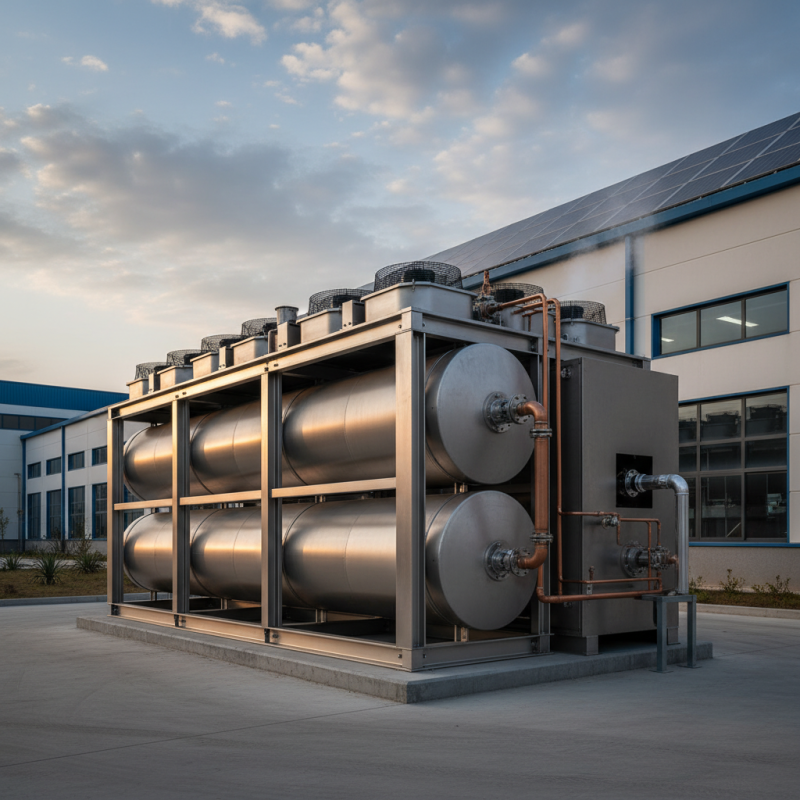
Understanding High Temperature Condensing Units: Key Concepts
When selecting a high temperature condensing unit, understanding core concepts is crucial. These units are designed to operate efficiently in elevated temperature settings. They are vital for systems in various industries, from refrigeration to HVAC. Recognizing the nuances of their operation will aid in making informed choices.
Key components of these units include compressors, condensers, and expansion valves. The compressor needs to handle high pressure and provide reliable performance. Condensers should effectively transfer heat to the environment. In terms of efficiency, higher SEER ratings indicate better energy performance, which can reduce operational costs.
However, not every model fits every application. Overestimating cooling needs can lead to oversized units, causing inefficiencies. Additionally, installation quality significantly impacts unit performance. Regular maintenance is also essential for longevity. It's easy to overlook these factors but doing so can lead to costly mistakes. Always consult industry experts to validate your choices.
Factors Influencing the Selection of High Temperature Condensing Units
Choosing a high-temperature condensing unit involves several critical factors. One major consideration is the specific application. Different industries have unique demands. For instance, food processing requires precise temperature control. Understanding these needs can significantly impact performance.
Another influence is energy efficiency. Units with high efficiency may have a higher upfront cost but can reduce long-term energy bills. Look for units with relevant efficiency ratings. Additionally, installation requirements should not be overlooked. Some units may require more space or specific setups, leading to potential challenges during installation.
Lastly, consider the unit's reliability and maintenance needs. A more complex unit might offer advanced features but can lead to higher maintenance. Regular upkeep is crucial to ensure optimal function. Balancing these factors can be challenging, but each plays a role in ensuring that your condensing unit meets your specific requirements.
Evaluating Efficiency Ratings: EER and SEER in Condensing Units
When selecting a high-temperature condensing unit, understanding efficiency ratings like EER and SEER is critical. EER, or Energy Efficiency Ratio, measures cooling output per watt. A higher EER indicates better efficiency. It's vital to compare units based on this metric, especially in warmer climates. SEER, or Seasonal Energy Efficiency Ratio, displays efficiency over a season. This rating can offer insights into long-term energy use.
Efficiency isn't the only factor to consider. Installation quality impacts performance. Poor installations can lead to reduced efficiency. Regular maintenance is equally crucial. Without it, even an efficient unit can underperform. Evaluate your local climate and typical usage patterns. This can help in choosing between higher EER or SEER ratings.
Finding the right balance is sometimes challenging. Too much focus on the highest ratings might overlook needed features. A slightly lower-rated unit could be better suited for specific applications. Always reflect on the unique demands of your environment. Assessing long-term efficiency alongside immediate needs can prevent future issues.
Impact of Ambient Temperature on Condensing Unit Performance
Ambient temperature plays a crucial role in the performance of high-temperature condensing units. As temperatures rise, these units must work harder to maintain efficiency. In hot weather, heat rejection becomes more challenging. The condensing unit's ability to dissipate heat is directly impacted by surrounding temperature.
In high ambient conditions, the refrigerant may not condense effectively. This inefficiency can lead to increased energy consumption. It may also result in a higher risk of overheating. Operators should monitor the environment and consider adjustments in operation. Effective airflow around the unit is essential. Ensuring proper ventilation can enhance performance.
For optimal operation, installation location is key. Units placed in shaded areas might perform better than those exposed to direct sunlight. Regular maintenance is also vital. Dirty coils can hinder heat exchange, especially during high temperatures. Operators should reflect on their practices to ensure reliability and efficiency. Addressing these factors can significantly improve the unit's lifespan and effectiveness.
Cost-Benefit Analysis: Initial Investment vs. Long-Term Savings
When evaluating high temperature condensing units, consider the financial implications carefully. The initial investment can be significant. Often, buyers focus too much on upfront costs. This narrow view can lead to missed opportunities for long-term savings. It's important to weigh these aspects against future savings. A higher initial price might lead to greater efficiency and lower utility costs over time.
Long-term savings come not just from energy efficiency. Maintenance and lifespan also play crucial roles. Units that are slightly more expensive may offer robust durability. This durability translates into less frequent replacements and repairs. The financial burden could shift significantly in favor of these units after a few years of operation. While it's tempting to opt for the low-cost option, think critically. Sometimes, cheaper units do not last as long.
Consider energy consumption statistics when making a selection. Units with lower energy requirements can deliver sizable returns on investment. Reflect on how quickly these savings can offset the initial costs. It’s a balancing act between today’s budget and tomorrow’s bills. Ultimately, knowledge and careful analysis help guide a well-informed decision.
How to Choose the Best High Temperature Condensing Unit? - Cost-Benefit Analysis: Initial Investment vs. Long-Term Savings
| Parameter | Option A | Option B | Option C |
| Initial Cost ($) | 5,000 | 7,000 | 9,000 |
| Annual Energy Cost ($) | 1,200 | 1,000 | 800 |
| Expected Lifespan (years) | 10 | 12 | 15 |
| Total Operating Cost ($) | 12,000 | 16,000 | 12,000 |
| Maintenance Cost per Year ($) | 300 | 250 | 200 |
| Total Cost over Lifespan ($) | 15,000 | 23,000 | 18,000 |