How to Choose the Best Electric Water Heater for Your Home?
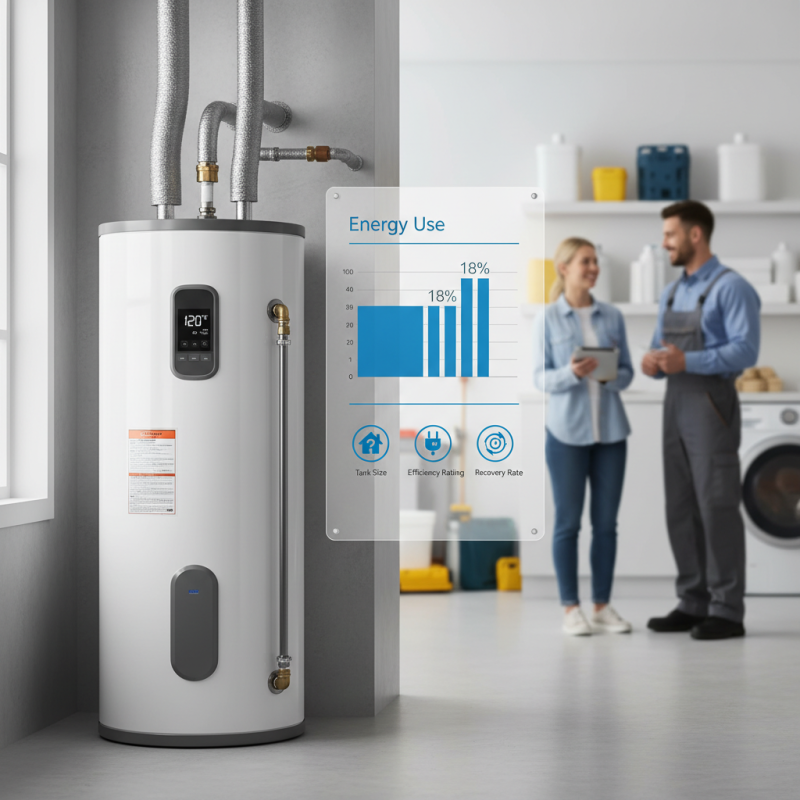
Selecting the right Electric Water Heater for your home is crucial. According to the U.S. Department of Energy, water heating makes up about 18% of a home's energy use. This highlights the need for efficiency and effectiveness when choosing an electric model. "Choosing the right Electric Water Heater can save homeowners significant costs on their utility bills," says Dr. Emily Carter, a renowned expert in energy-efficient appliances.
Many homeowners overlook critical factors such as tank size, energy efficiency ratings, and recovery rates. An inadequate water heater can lead to running out of hot water during peak usage times. This can create discomfort and frustration. Installing the wrong model can be costly, making the selection process essential.
The market offers a variety of options, which can be overwhelming. It is important to gather data and consult professionals. Not every Electric Water Heater will meet your specific needs. Hasty decisions can result in disappointment and increased expenses. Evaluating your home’s requirements is the first step toward making an informed choice.
Understanding Your Hot Water Needs for Your Home
Understanding your hot water needs is essential when choosing the best electric water heater for your home. Consider how many people live in your household. More people generally mean more hot water demand. Showers, laundry, and dishwashing all require hot water. If you have a large family, a high-capacity heater might be necessary.
Think about the peak usage times. When does everyone take their showers? Do you run the dishwasher while doing laundry? Timing can influence how much hot water you need at once. Many homes struggle with running out of hot water during busy hours. This is a frequent concern for families.
Another factor to consider is the recovery rate. This term refers to how quickly a water heater can heat up new water. A slower recovery may leave you waiting for hot water. It’s important to balance tank size and recovery rate. You might find that a smaller tank with a faster recovery suits your needs better. Reflecting on these details can lead to better decisions. Always assess your specific situation and needs.
How to Choose the Best Electric Water Heater for Your Home? - Understanding Your Hot Water Needs for Your Home
| Dimension | Description | Value |
| Tank Capacity | Amount of water held in the tank (gallons) | 30 - 50 gallons |
| Recovery Rate | Speed at which the heater can replenish hot water (gallons per hour) | 20 - 60 gallons per hour |
| Energy Efficiency | Measured by the Energy Factor (EF) | 0.70 - 0.95 |
| Energy Source | Type of energy used by the heater | Electricity |
| Dimensions | Physical size of the heater (height x width x depth) | 48 x 20 x 20 inches |
| Cost | Average price range | $300 - $800 |
| Warranty | Length of the warranty coverage | 6 years - 12 years |
Types of Electric Water Heaters: Pros and Cons
When choosing an electric water heater, understanding the different types can significantly impact your decision. The two main types are tank and tankless water heaters. Tank heaters store water, typically from 20 to 80 gallons. They provide hot water on demand but can waste energy when keeping the water heated continuously. According to the U.S. Department of Energy, tank heaters have an efficiency of about 60-90%. For families with high hot water needs, they might be more suitable despite their energy consumption.
Tankless water heaters, on the other hand, heat water directly as it flows through the unit. They offer unlimited hot water, making them a popular option for larger households. Yet, they may struggle to meet multiple demands simultaneously. Reports suggest that tankless heaters operate with an efficiency rating of 80-98%. This high efficiency can lead to significant savings, but the initial cost is often higher. Each type has its pros and cons, requiring careful consideration of your household's hot water usage patterns.
Installation is another critical point to ponder. Tank models require more space and might need adjustments to existing plumbing. Tankless units are compact, often mounted on walls. However, retrofitting may be necessary for proper installation. These factors can create hidden costs. Assessing your space and needs is essential. Finding the best fit for your home requires balancing efficiency, cost, and available space.
Key Features to Consider When Choosing an Electric Water Heater
When selecting an electric water heater, several key features are essential to consider. The first is capacity. Assess your household's daily hot water needs. A small family may need a unit that delivers 30-40 gallons, while larger families require 50-80 gallons. Evaluating capacity prevents running out of hot water during peak usage times.
Next, focus on energy efficiency. Look for models with high Energy Factor (EF) ratings. A higher rating indicates better efficiency, which can lower your energy bills. Check if the unit has insulation to reduce heat loss. Proper insulation enhances performance, providing hot water faster.
Lastly, consider the recovery rate. This feature measures how quickly a heater can refill and heat water. A faster recovery rate is beneficial for families with high water demand. While it may be tempting to choose based solely on price, reflect on long-term costs and efficiency. Balancing initial investment with future savings is crucial. These details may seem small now, but they make a significant difference in daily life.
Energy Efficiency Ratings and Their Importance
When choosing an electric water heater, energy efficiency ratings are critical. These ratings provide insights into energy consumption, helping homeowners make informed choices. According to the U.S. Department of Energy, water heating accounts for about 18% of energy use in homes. This emphasizes the importance of selecting a model with a high energy efficiency rating.
Different systems showcase varying efficiencies. The Energy Factor (EF) measures the heater's efficiency, with higher values constituting better performance. For instance, a unit with an EF of 0.95 uses less energy than one with an EF of 0.65. Such disparities can lead to significant cost savings over time. Also, the difference in operational costs may not always align with purchase price. Sometimes, cheaper models are less efficient, leading to higher long-term expenses. This dilemma requires careful consideration.
Moreover, the energy source impacts overall efficiency. Electric water heaters typically consume more electricity compared to gas models but can achieve higher energy efficiency ratings under specific circumstances. Understanding your household’s water usage patterns is essential for optimizing energy consumption. A more efficient unit could reduce your carbon footprint, but it’s crucial to weigh initial costs against savings over time. Balancing these factors isn’t straightforward, and each choice you make should reflect your specific needs and circumstances.
Cost Analysis: Initial Investment vs. Long-term Savings
Choosing an electric water heater involves a careful cost analysis. The initial investment might be significant, often ranging between $500 and $1,500. However, evaluating long-term savings is essential. A high-efficiency electric water heater can save homeowners about 14% to 25% on energy bills compared to standard models, according to the U.S. Department of Energy.
In a typical household, the average lifespan of an electric water heater is around 10 to 15 years. Over this period, savings could accumulate considerably. For instance, a high-efficiency model operating at an average cost of $2,000 annually in energy could reduce that to $1,500. This translates to a potential savings of $500 every year. Such details highlight the importance of understanding total costs beyond just initial prices.
Many consumers underestimate maintenance costs as well. Regular upkeep, like flushing the tank, is often overlooked. Neglecting this can lead to sediment buildup, increasing energy consumption. So, while upfront costs are significant, the overall lifecycle expense, including maintenance, must be factored in for a truly informed decision. Each household should weigh these variables carefully before proceeding.