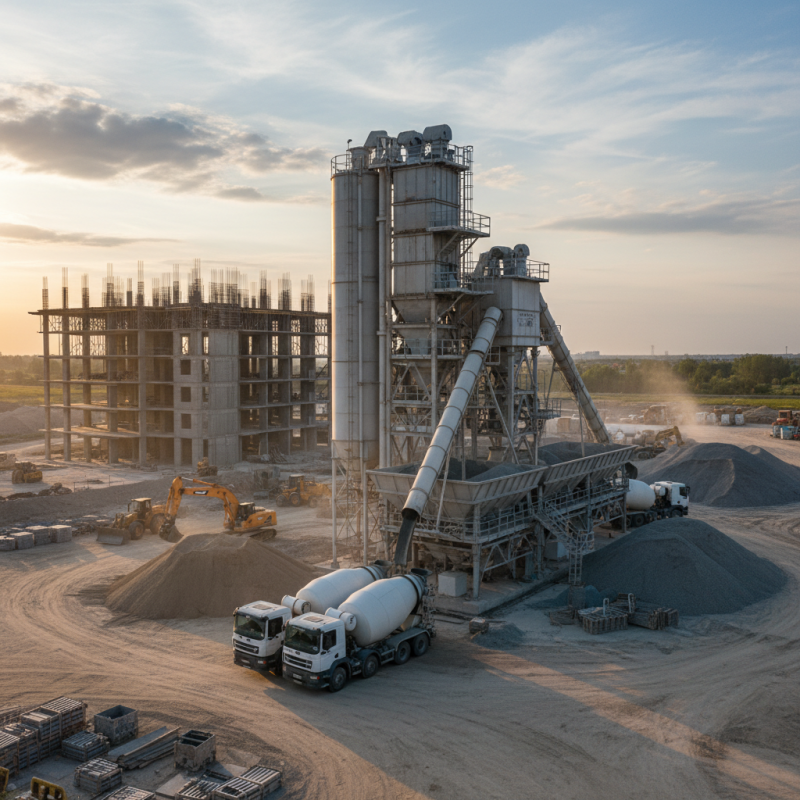
Why Choose the Right Concrete Batching Plant for Your Project?
Choosing the right Concrete Batching Plant can significantly impact your construction project. A suitable plant ensures optimal production efficiency and quality control. When selecting a Concrete Batching Plant, it’s crucial to consider factors like capacity, technology, and versatility.
Many projects face challenges such as time constraints and budget limits. An appropriate Concrete Batching Plant helps overcome these hurdles. It can adapt to varying project demands and supply consistent concrete. However, not every plant fits every project. Conducting thorough research and assessments is essential.
Reflecting on past decisions can be beneficial. Some may have chosen plants based solely on price or brand reputation. In hindsight, this might lead to costly mistakes. Understanding your project's unique needs is vital. The right Concrete Batching Plant will become an invaluable asset throughout the construction process.
Factors Influencing the Selection of Concrete Batching Plants
Choosing the right concrete batching plant requires careful consideration of various factors. The capacity of the plant is crucial. A plant with insufficient capacity can delay your project. Alternatively, an overly large plant is unnecessary and costly. Calculate your project's concrete requirements accurately.
Location also plays a significant role. Proximity to your construction site reduces transportation costs and time. Evaluate the accessibility of the site for large machinery. This can save money and enhance efficiency.
Tips: Check local zoning laws before selecting a site. They could impact your operations. Also, think about the availability of raw materials nearby.
Another factor is the technology the plant uses. Advanced mixing technology ensures better quality control. This can lead to fewer defects and rework, saving money in the long term. Consider plants that offer automation features, which may reduce labor costs.
Moreover, maintenance and service support are vital. A reliable support system ensures your plant runs smoothly. Evaluate the experience and reputation of the manufacturer. Inexperienced producers may offer lower prices but can lead to issues later.
Key Performance Metrics for Concrete Batching Plants in Projects
When selecting a concrete batching plant, performance metrics are crucial. These metrics determine the efficiency and effectiveness of the plant in delivering quality concrete. Speed is one of the key factors. An efficient batching plant should minimize mixing and loading times. This can significantly impact project timelines. Delays can lead to increased costs, so aiming for a swift operation is vital.
Quality control is equally important. A good batching plant should ensure consistent concrete quality. Variations in mix design can weaken the final product. Check how well a plant can measure materials. Precision in measurement reduces errors and enhances reliability. It is easy to overlook this aspect, but it is essential for structural integrity.
Additionally, consider the plant's adaptability. Projects vary in scale and requirements. A plant that can easily switch between different mixes offers flexibility. This responsiveness can be a game-changer. However, not all plants meet these criteria well. A thorough evaluation of each option can help avoid costly mistakes.
Comparison of Stationary vs. Mobile Concrete Batching Plants
When it comes to choosing a concrete batching plant, the decision between stationary and mobile options is crucial. Stationary plants are designed for high-volume production. They offer superior efficiency and consistent quality for large-scale projects. These plants are built on a fixed location, which means they require more space. They might not be easily relocated, but their production capacity can meet the demands of extensive job sites.
On the other hand, mobile Concrete Batching Plants provide flexibility that stationary plants lack. These units can be transported quickly to different job locations, making them ideal for smaller projects or those that are time-sensitive. However, this mobility often comes at a cost. While they are convenient, the production capacity may be lower than that of stationary plants. The short setup time can be a double-edged sword. If not managed well, it can lead to inefficiencies during transitions between sites.
Ultimately, the choice hinges on project specifications. Consider the scale and location of your project. Evaluate the logistics involved. Both options present unique advantages and challenges. Understanding these nuances is essential for making the right choice.
Cost Efficiency: Analyzing the Investment in Batching Plants
When evaluating the investment in concrete batching plants, cost efficiency emerges as a crucial factor. Investing in a suitable batching plant can lead to significant savings over time. Key considerations include initial costs, maintenance expenses, and operational efficiency. Batching plants that optimize material use reduce waste, thus enhancing your project's budget adherence.
Tips: Regular maintenance and timely upgrades can prevent costly repairs. This helps maintain operational efficiency. Invest in staff training to ensure they are skilled in managing batching operations effectively. This can minimize errors during the mixing process.
A well-chosen batching plant can improve productivity. It allows for consistent quality and faster output, which benefits project timelines. However, weighing the upfront costs against long-term savings is essential. Consider how different setups may impact overall project expenses. Are you prioritizing volume or flexibility in production? Reflect on your project's specific needs before making a decision.
Cost Efficiency of Concrete Batching Plants
This chart illustrates the cost efficiency for different scales of concrete batching plants, comparing initial investment and annual operating costs. Investing in the right batching plant can significantly affect long-term costs and project success.
Environmental Regulations Impacting Concrete Production Choices
Environmental regulations significantly impact concrete production choices today. Each region has specific rules that dictate the allowable emissions and waste management practices. These regulations aim to minimize the environmental footprint of concrete production processes. For example, carbon emissions must be closely monitored.
Adhering to these regulations can drive up costs. However, the long-term benefits often outweigh the initial investments. Opting for eco-friendly materials or adopting new technologies can help meet these requirements. Some companies struggle with this transition. It’s essential to balance compliance with budget constraints.
The production process itself must adapt to improvements in sustainability. This means using alternative materials, like recycled aggregates. Additionally, advanced batching plants can reduce waste during production. Choosing the right plant becomes crucial for effectively managing both quality and environmental impact.