How to Choose the Right Piston Filler for Your Business?
Choosing the right Piston Filler for your business is crucial. This decision impacts productivity and product quality. A piston filler can enhance your packaging process, but not all models are created equal. With various types and features available, understanding your specific needs is essential.
Evaluate the type of liquids you handle. Viscosity plays a significant role in your choice of filler. Some models excel with thin fluids, while others handle thick, chunky substances better. Consider the speed required for your operation. A filler that can't keep up with demand will hinder growth.
Experience matters when selecting the best equipment. Manufacturers often provide specifications, but real-world performance can differ. Seek reviews and case studies from credible sources. Reflect on your past experiences with filling machines. Were there any challenges? Use these insights to guide your decision. Remember, the right Piston Filler can make a substantial difference in your operational efficiency.
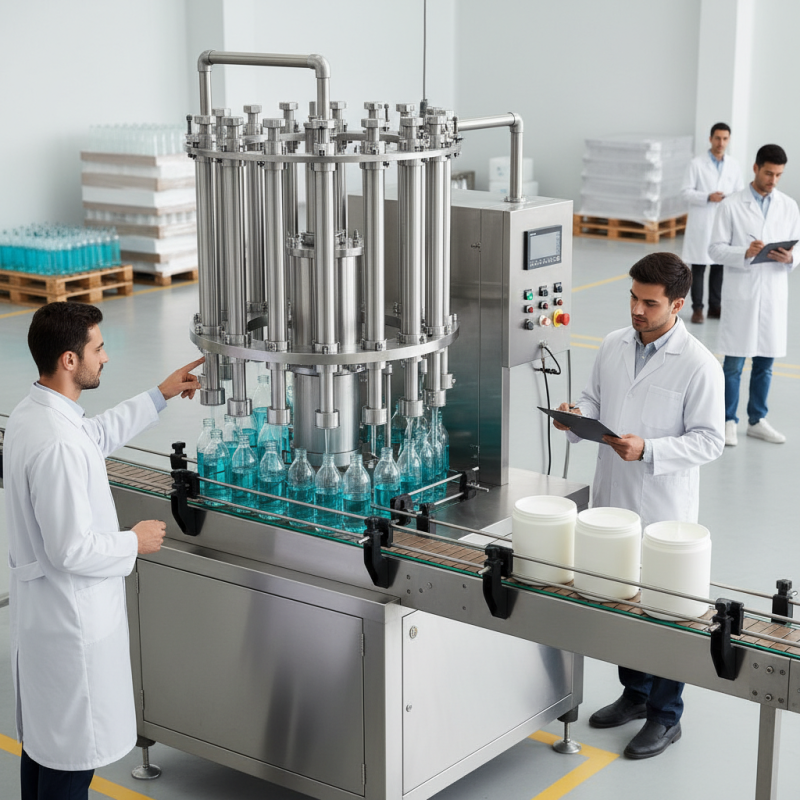
Understanding Piston Fillers and Their Applications in Industry
Piston fillers are essential in various industries for their efficiency in dispensing liquids. They work by using a piston mechanism to draw a specific volume of liquid and then eject it into a container. This method is highly accurate and can handle a wide range of viscosities. Piston fillers are commonly used in food, beverage, and cosmetic industries. However, choosing the right one requires understanding your business needs and the materials you will process.
Tips: Assess the flow characteristics of your liquid. High-viscosity products may need specialized fillers. Consider the type of container and the filling speed required. A filler that operates too quickly may compromise accuracy and quality.
Not all piston fillers are created equal. Factors like maintenance requirements and changeover time can vary significantly. Some models are more complex, which may lead to frequent repairs. Others offer user-friendly designs for simple operation. Evaluate the total cost of ownership. Sometimes a lower initial price may not be the best choice long-term.
Tips: Look for models that offer easy maintenance access. Check if replacement parts are readily available. Investing in training for your staff can prevent costly issues down the road. Reflect on your production goals, and always consider the scalability of the equipment.
Identifying Your Business Needs for Piston Filling Solutions
Choosing the right piston filler for your business necessitates a deep understanding of your specific needs. Start by considering the type of products you’ll be filling. Is it a viscous liquid or a thinner solution? The viscosity of your product directly impacts the type of piston filler you should select. Determine the range of volumes you will be processing. Small batches may require different equipment compared to high-volume production.
It is crucial to assess your production environment. Are you following strict hygiene standards? If so, you may need a filler designed for easy cleaning and maintenance. Think about your workforce too. How skilled are your operators? Complicated systems may require specialized training. The adaptability of the filler is another aspect worth considering. As your business grows, will this equipment scale with your needs?
Reflect on your budget as well. Cheaper options may seem appealing, but they could compromise efficiency. An unreliable machine could lead to waste or downtime, making the overall cost higher in the long run. Weigh your options by considering both initial and long-term expenses. Every choice shapes your operation; don’t overlook potential pitfalls in haste to decide.
Comparison of Piston Filler Types Based on Business Needs
This chart illustrates the suitability scores for different types of piston fillers based on common business needs. The scores range from 1 to 10, with higher scores indicating a better fit for various operational requirements.
Key Factors to Consider When Selecting a Piston Filler
Selecting the right piston filler for your business requires careful consideration of several factors. The filling accuracy is crucial. Industry reports indicate that fillers with over 95% accuracy significantly reduce product waste. Even a minor inconsistency can lead to substantial financial losses. Businesses could lose up to 10% of revenue due to inaccurate fills.
The type of liquid being filled is another important factor. Viscosity and temperature impact how well a piston filler performs. A report by the Packaging Machinery Manufacturers Institute (PMMI) reveals that over 70% of manufacturers prioritize viscosity when choosing equipment. This ensures that the filler matches the product’s specific needs, leading to better efficiency and quality.
Additionally, consider the ease of maintenance. Many facilities struggle with equipment downtime. A study found that 30% of maintenance issues stem from poorly designed systems. If the filler is challenging to clean or maintain, it can lead to longer operational hours and increased costs. Finding a balance between complexity and functionality is essential. It’s vital to think about maintenance schedules and training. Opting for a user-friendly system can save time and resources in the long run.
Comparing Different Types of Piston Fillers: Pros and Cons
When selecting a piston filler, it's crucial to weigh the pros and cons of various types. Gravity fillers, for instance, are often simpler and require less maintenance. They excel with liquids of low viscosity. However, they may struggle with thicker products, leading to inconsistency in filling. A study by the Packaging Machinery Manufacturers Institute highlighted that gravity fillers are best suited for straightforward applications, limiting their versatility.
Conversely, positive displacement piston fillers provide greater precision and control. They can handle a wider range of viscosities, making them suitable for both thin and thick products. According to a report from the Packaging Industry Association, businesses using piston fillers see a 20% increase in filling accuracy. Yet, these systems can be more expensive and require more setup time. That makes them less appealing for small operations or those with tight budgets.
Lastly, vacuum piston fillers offer unique advantages in specific applications. They minimize air incorporation, preventing product degradation. However, they may not be necessary for all businesses, especially when simpler solutions suffice. Each option has its trade-offs, so it's vital to evaluate your product's specific needs carefully.
How to Choose the Right Piston Filler for Your Business? - Comparing Different Types of Piston Fillers: Pros and Cons
| Type of Piston Filler | Pros | Cons | Best Used For |
| Manual Piston Filler | Cost-effective, easy to use, portable | Labor-intensive, not suitable for high volumes | Small-scale operations, startups |
| Semi-Automatic Piston Filler | Faster than manual, reduces labor, consistent filling | Higher cost than manual, requires operator training | Medium-scale operations, artisan businesses |
| Fully Automatic Piston Filler | High-speed, minimal labor, consistent output | High initial investment, complex maintenance | Large-scale manufacturing, high-volume production |
| Vacuum Piston Filler | Eliminates air bubbles, suitable for foamy products | More expensive, requires additional equipment | Liquid products prone to foaming, such as sauces |
Maintenance and Support for Your Chosen Piston Filler
Choosing the right piston filler is only part of the equation. Once you have selected a model that fits your business needs, maintenance and support become crucial. A well-maintained machine ensures consistent fill accuracy and minimizes downtime. It's essential to establish a routine maintenance schedule. Regular cleaning and lubrication can prevent costly repairs down the line. Simple checks can make a big difference.
Support is equally important. Consider who will assist you when issues arise. A reliable support network can save you from prolonged operational halts. Make sure you understand the warranty and after-sales service. You might face challenges as your production demands change. It’s beneficial to have access to expert advice from technicians who know your specific equipment.
Every piston filler has its strengths and weaknesses. Sometimes, the chosen model may not perform as expected under certain conditions. Initial troubleshooting may not resolve all issues. Documenting each challenge can help improve your operational response. Remember, the goal is to keep your production line running smoothly, and proactive support and maintenance play a vital role in achieving that.