China E-Bike Regulation Updates What Global Buyers Need to Know
The landscape of electric bikes in China is rapidly changing, influencing global markets. China E-Bike Regulation News highlights new rules impacting manufacturers and buyers alike. These regulations aim to enhance safety and environmental standards, reflecting a commitment to innovation and sustainability.
Understanding these updates is crucial for global buyers seeking to invest in quality electric bikes. The news outlines mandatory safety certifications and design standards that manufacturers must follow. Compliance with these regulations ensures that products meet market expectations. However, navigating these changes may prove challenging for some.
Buyers must act with caution and stay informed about ongoing developments. What may seem straightforward can often be complex. Each regulation carries implications for production, shipping, and sales. Keeping abreast of China E-Bike Regulation News is essential for any buyer looking to thrive in this dynamic environment. Overlooking these updates could lead to costly mistakes.
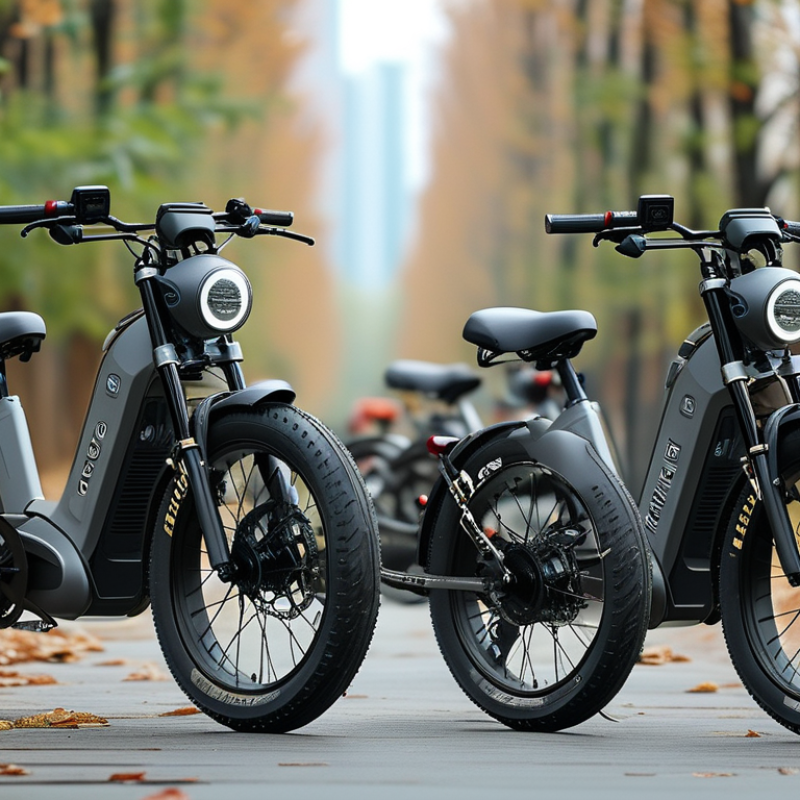
Overview of China's E-Bike Regulatory Landscape
China's e-bike regulatory landscape is evolving rapidly. Key regulations focus on safety standards, environmental impact, and user safety. These rules aim to streamline industry practices. They also enhance accountability among manufacturers. As these regulations become stricter, manufacturers must adapt quickly.
Compliance is crucial for global buyers. Understanding China's certification systems is a fundamental step. Various standards, like the GB Standards, address quality and safety. Non-compliance can lead to costly setbacks. Global buyers should also note that local enforcement varies by region, leading to inconsistencies. This creates uncertainty in the supply chain.
It's essential to stay informed about the dynamic nature of regulations. Changes may emerge seemingly overnight, impacting both production and sales. Engaging with local experts can offer valuable insights. However, foreign buyers sometimes struggle to grasp the nuances. Embracing a proactive approach will counter these challenges and ensure better alignment with regulatory expectations.
Key Regulations Impacting E-Bike Manufacturing and Sales
The regulation landscape for e-bikes in China is evolving rapidly. Recent updates require manufacturers to comply with stringent safety standards. These standards include requirements for battery safety and vehicle stability, significantly impacting production processes. Manufacturers must ensure that their products meet local regulations, or they risk facing penalties.
Global buyers should pay attention to these regulations, as compliance is critical. Non-compliance can lead to supply chain disruptions. Importers may encounter delays if products lack necessary certifications. Additionally, understanding local market demands is essential. Preferences for design, performance, and safety features vary across regions.
There is a growing need for awareness among buyers. Trade shows and industry reports can help identify regulatory shifts. However, not all sources are reliable. Buyers must vet information to avoid misinformation. Keeping abreast of these changes ensures smoother market entry and sustainable business practices in the e-bike sector.
Safety Standards and Compliance Requirements for E-Bikes
As interest in e-bikes surges globally, understanding the safety standards and compliance requirements in China is vital for buyers. According to a recent report by the International Organization for Standardization, nearly 40% of e-bikes sold worldwide in 2022 were manufactured in China. Buyers should prioritize safety, especially since e-bike-related accidents have increased by 25% over the past year in several regions.
China’s new regulations emphasize battery and electrical safety. Manufacturers must adhere to stringent tests, including short circuit and overcharge protections. The China Quality Certification Centre (CQC) outlines requirements that include the use of UL-certified components. These measures are crucial, as subpar batteries can lead to fires or failures while riding. A 2021 analysis found that 56% of reported incidents involved battery malfunctions.
As global partnerships grow, compliance with local and international regulations becomes more complex. It's essential for buyers to ensure that potential suppliers can produce e-bikes that meet these evolving standards. Checking certifications and requesting documentation can help mitigate risks. While the advances in e-bike technology present opportunities, the focus must remain on safe and compliant manufacturing.
China E-Bike Regulation Updates: Safety Standards and Compliance Requirements
This chart illustrates the compliance rates of various safety standards that e-bikes must adhere to under the new regulations in China. Understanding these compliance requirements is crucial for global buyers to ensure product safety and market viability.
Impact of Recent Regulations on Global Buyers and Suppliers
Recent updates in China’s e-bike regulations are significantly reshaping the landscape for global buyers and suppliers. Improved standards are being implemented to enhance safety and sustainability. These regulations focus on battery safety, speed limits, and manufacturing quality. For global buyers, this means stricter requirements when sourcing e-bikes from China. Suppliers must adapt quickly to these changes to maintain their competitive edge.
Changes in regulation may also affect materials and production processes. Suppliers need to ensure compliance to avoid potential disruptions. Non-compliance can lead to penalties or product recalls, which are costly for both parties. Companies might face challenges in adapting their supply chains. Balancing cost, compliance, and quality is essential. The fast-evolving market calls for agile strategies, fostering innovation while meeting regulatory demands.
Global buyers should stay informed about these updates to mitigate risks. Continuous communication with suppliers can help in navigating these challenges. Building strong partnerships is crucial in this transitional phase, promoting a culture of shared responsibility in meeting regulations. Supply chains may require reevaluation, particularly addressing gaps in the knowledge of local laws. This evolving landscape invites reflection on practices and encourages adaptation to foster long-term success.
China E-Bike Regulation Updates: What Global Buyers Need to Know
| Regulation Type | Description | Implementation Date | Impact on Suppliers | Impact on Global Buyers |
| Safety Standards | New safety standards require enhanced braking systems and lighting. | January 1, 2024 | May increase production costs and require upgrades in manufacturing. | Could lead to improved product reliability and safety for consumers. |
| Battery Regulations | Stricter guidelines on battery recycling and disposal. | March 1, 2024 | Suppliers must invest in sustainable battery technologies. | Ensures compliance with environmental regulations across markets. |
| Import Tariffs | New tariffs imposed on imported e-bikes to protect domestic industry. | April 15, 2024 | May decrease competitiveness of foreign products in the Chinese market. | Possible increase in prices for end consumers in international markets. |
| Registration Requirements | Mandatory registration for all e-bike manufacturers and importers. | June 10, 2024 | Additional administrative overhead for suppliers to comply. | Buyers may face delays in product availability due to regulatory processes. |
Future Trends in China's E-Bike Regulation and Market Dynamics
China's e-bike market is rapidly evolving, driven by regulatory updates and shifting consumer preferences. Key trends indicate that stricter regulations are being implemented to improve safety standards and reduce accidents. According to a recent industry report, the e-bike market in China is projected to reach $38 billion by 2025, reflecting a growing demand for cleaner transportation options. Buyers must stay informed about these regulations to navigate the market effectively.
Tips: Always check local regulations before purchasing. Compliance with safety standards is crucial. This ensures better performance and longevity of the e-bike.
The dynamics of the e-bike sector are also influenced by technological advancements. Battery efficiency has improved, leading to longer riding ranges. However, quality concerns persist among consumers. A survey revealed that 30% of users experienced battery-related issues. Addressing these concerns is vital for manufacturers aiming to build consumer trust.
Tips: Look for user reviews that focus on battery performance. Research brands that prioritize customer feedback.
Despite the regulatory challenges, there’s optimism within the industry. The increased push for sustainable transportation means e-bikes will play a significant role in urban mobility. As policy frameworks continue to evolve, global buyers must adapt to these changes. This adaptability could shape future market success.