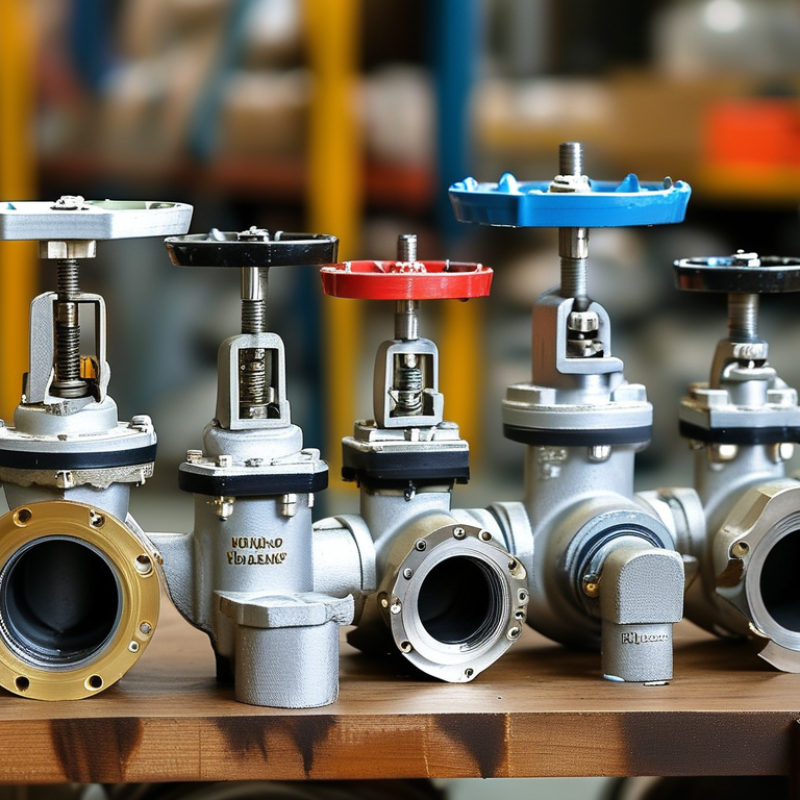
Ultimate Guide to Check Valve Tips for Global Buyers?
Check Valves are essential components in various industries. They prevent backflow and ensure the efficiency of fluid systems. Understanding the nuances of check valves is crucial for global buyers looking to make informed decisions.
This guide aims to shed light on the factors that influence the selection of check valves. Key aspects include materials, design, and application. Buyers should consider these elements to choose the right valve for their needs.
Moreover, the market offers a range of options, from basic to advanced check valves. However, not all products meet the same standards. It is important to assess quality and reliability when making a purchase. Buyers may face challenges in identifying the best suppliers. This guide provides insights that can help navigate these complexities.
Understanding Check Valves: Definition and Functionality
Check valves play a crucial role in fluid management systems. They allow fluid to flow in one direction while preventing backflow. This simple mechanism is vital for maintaining system integrity and efficiency. According to industry reports, nearly 70% of pumping systems utilize check valves to minimize the risk of reverse flow. This is significant, considering the associated risks of equipment damage and operational failures.
The functionality of check valves depends on their design and intended application. Common types include swing, lift, and diaphragm check valves. Each type serves specific needs based on pressure and flow conditions. For instance, swing check valves are often used in large-scale applications due to their efficiency in handling high flow rates.
However, they can sometimes lead to slamming, causing noise and potential wear. Understanding these nuances is essential for making informed purchasing decisions.
Most users often overlook maintenance requirements, leading to unforeseen issues. Regular inspections are critical to identify wear and potential failure points. However, many system operators neglect this aspect, which can result in costly downtimes. Emphasizing the importance of routine check-ups can enhance the reliability of systems significantly.
Types of Check Valves: A Comprehensive Overview
Check valves play a crucial role in various applications by allowing flow in one direction while preventing backflow. There are different types of check valves to suit specific needs. Common types include ball check valves, swing check valves, and diaphragm check valves. Each type has unique features that can affect performance and reliability.
Ball check valves utilize a spherical ball to block backward flow. They are often used in low-pressure applications.
Swing check valves, on the other hand, have a hinged disc. This disc swings open and closes based on flow direction. They're ideal for high-flow systems but may require a more extensive installation process.
Diaphragm check valves use a flexible membrane that seals the flow path when backflow occurs, offering a compact design.
When selecting check valves, several factors influence decision-making. Flow rate, pressure, and installation requirements must align with the valve type. It's important to understand how environmental conditions can affect valve performance.
Fluctuating temperatures or corrosive substances can lead to unexpected failures. Therefore, careful consideration of these variables is essential for achieving optimal performance.
Key Features to Look for When Purchasing Check Valves
When purchasing check valves, buyers must focus on key features to ensure reliability and performance. The selection process can be complex, with various factors influencing the choice. Industry reports indicate that materials used in check valves play a significant role in durability. Stainless steel and bronze are commonly preferred for their corrosion resistance. Yet, not all stainless steel grades offer the same level of resilience. Buyers should verify the material specifications against the intended application environment.
Flow rate capacity is another crucial aspect. Research suggests that valves should be selected based on the specific requirements of the system. Many buyers overlook the importance of pressure ratings, which directly affect valve performance. Additionally, the ease of installation can impact long-term performance. Complex designs may lead to difficulties in maintenance, increasing operational costs.
Another point to consider is the testing standards. While many manufacturers claim compliance, verifying independent testing can be challenging. Industry standards, such as those from the American Society of Mechanical Engineers (ASME), provide benchmarks. However, not all products are subjected to rigorous testing. Buyers need to seek documentation to ensure reliability. Investing time in research can yield better results in valve selection, ultimately improving system efficiency and longevity.
Common Applications of Check Valves in Various Industries
Check valves play a crucial role across various industries, preventing backflow and ensuring system integrity. In the oil and gas sector, they are vital in pipelines, protecting equipment from pressure surges. According to industry reports, around 30% of pipeline failures can be traced back to backflow-related issues. This highlights the importance of reliable check valves in safeguarding assets and maintaining operational efficiency.
In water treatment facilities, check valves are commonly used to control water flow and maintain pressure. They are essential in preventing contamination of potable water. Industry studies indicate that effective use of check valves can reduce maintenance costs by up to 20%. However, not all applications are straightforward. Improperly sized valves can lead to increased wear and tear or even system failure, illustrating the need for careful selection and installation.
Check valves are also critical in pulp and paper manufacturing. They help manage the flow of chemicals and water within the production process. A misapplication can result in significant operational delays and financial loss. Despite their simplicity, choosing the right check valve requires experience and expertise to avoid potential pitfalls. It's clear that while check valves are fundamental components, their effectiveness largely depends on informed implementation.
Common Applications of Check Valves in Various Industries
Tips for Ensuring Quality and Reliability in Check Valve Selection
Selecting the right check valve is crucial for global buyers seeking reliability and efficiency. According to industry reports, the global check valve market is expected to grow at a CAGR of 5.3% from 2021 to 2028. This demand highlights the importance of quality in valve selection. Buyers should prioritize materials that resist corrosion and wear. Stainless steel and brass are commonly favored for their durability and long life.
Many buyers overlook the need for proper certifications. Valves should meet standards such as ANSI, API, or ISO. These certifications ensure consistency and credibility in performance. Reports indicate that 45% of valve failures are linked to inferior manufacturing practices. Understanding the manufacturing origin aids in assessing reliability.
Testing is another critical factor. Buyers often underestimate the importance of performance tests. Flow tests, pressure tests, and fatigue tests can reveal potential failures early. A comprehensive test report adds to the product's trustworthiness. Recently, 30% of imported valves were found lacking essential performance data, leading to unexpected downtime. Active engagement with suppliers can bridge this gap.