What is Carbon Alloy Steel Round Bars and Their Uses?
carbon alloy steel round bars are versatile materials in various industries. They are known for their strength, durability, and resistance to wear and corrosion. These bars are produced through a careful combination of carbon and other alloying elements, which enhance their mechanical properties.
The uses of carbon alloy steel round bars range from construction to manufacturing. Engineers and designers often choose these bars for their reliability in critical applications. For example, they are commonly used in the production of machinery parts, automotive components, and structural elements. The ability to withstand high stress makes them ideal for demanding environments.
However, choosing the right carbon alloy steel round bars requires careful consideration of specific needs. Factors such as thickness, diameter, and alloy composition can significantly influence their performance. This complexity can make selection challenging. Understanding the properties of these materials is essential to avoid potential issues in applications.
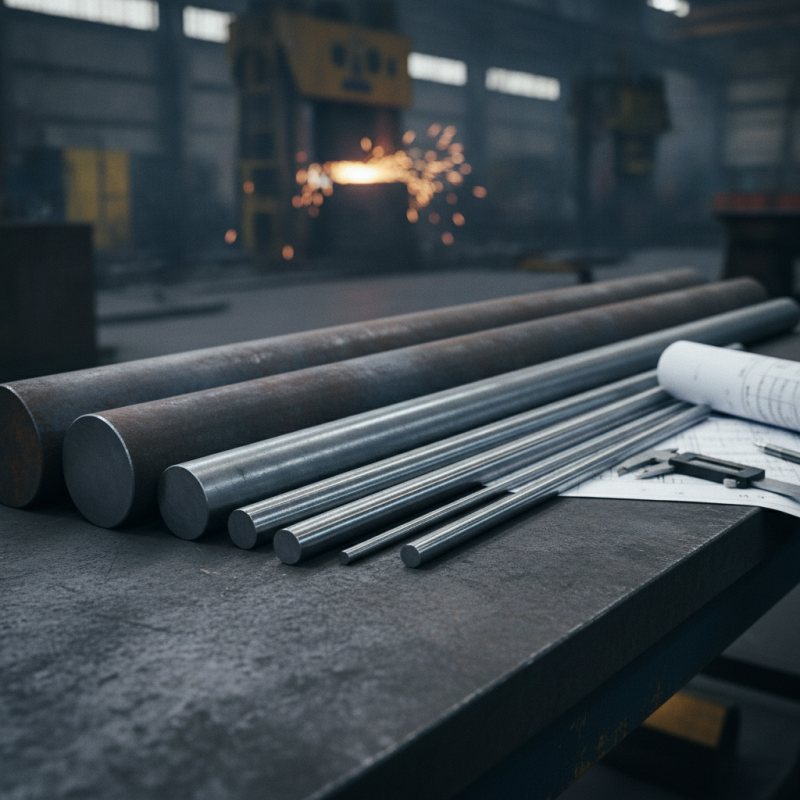
What is Carbon Alloy Steel Round Bars?
Carbon alloy steel round bars are essential in various industries. These bars have a unique composition, containing elements like manganese, nickel, and chromium. This composition enhances their strength and durability. The American Iron and Steel Institute (AISI) categorizes these bars based on the carbon content, ranging from low to high. For instance, low carbon steel typically has less than 0.25% carbon, making it malleable and suitable for forming processes.
The properties of carbon alloy steel round bars make them suitable for several applications. They are commonly used in manufacturing components for automotive and construction industries. According to a recent market report, the global steel market is projected to reach over $1 trillion by 2025. This growth drives demand for reliable materials like carbon alloy steel. However, challenges exist in sourcing high-quality bars. Variability in processing can affect the final product's properties. Proper heat treatment and alloying are necessary to ensure optimal performance.
In practical terms, these round bars can be machined into various shapes. Parts like shafts, pins, and bolts often utilize them. The versatility of carbon alloy steel round bars supports innovations in design. However, the risk of defects exists during production. It's crucial for manufacturers to implement stringent quality control measures to avoid issues like brittleness or dimensional inaccuracies. This underscores the need for expertise in material science and manufacturing processes.
What is Carbon Alloy Steel Round Bars and Their Uses?
| Property | Description |
| Material Type | Carbon Alloy Steel |
| Standard Sizes | From 5 mm to 500 mm diameter |
| Common Grades | AISI 1018, AISI 1045, AISI 4140 |
| Applications | Machinery parts, Automotive components, Construction |
| Features | High strength, Durability, Resistance to wear |
| Surface Finish | Hot rolled, Cold drawn, Ground |
| Heat Treatment | Quenching, Tempering, Annealing |
Key Characteristics of Carbon Alloy Steel Round Bars
Carbon alloy steel round bars are a key component in many industries. They are known for their strength, durability, and flexibility. These properties make them suitable for various applications like construction, automotive, and manufacturing processes.
Key characteristics of carbon alloy steel round bars include high tensile strength and hardness. This steel type is often heat-treated to enhance its performance. The round shape allows for even distribution of stress, making it ideal for heavy machinery and structural support. Another notable feature is its resistance to wear and deformation, essential in high-use environments.
Tips: When selecting carbon alloy steel, consider the specific alloy composition. Different compositions yield varied properties. Also, inspect for quality certifications to ensure reliability in your applications. Regular maintenance can extend the life of these bars, saving costs in the long run. Always analyze your project's unique demands to choose the right material.
Major Applications of Carbon Alloy Steel Round Bars in Industry
Carbon alloy steel round bars are integral to various industries, particularly in construction and manufacturing. According to industry reports, these bars offer a unique combination of strength and ductility. They are often used in structural components, as their composition allows them to withstand heavy loads. In fact, about 40% of carbon alloy steel is utilized in manufacturing machinery and equipment.
The automotive sector significantly depends on carbon alloy steel round bars. They provide essential parts that ensure vehicle safety and performance. Studies indicate that approximately 30% of automotive components utilize this material for their resilience and toughness. Furthermore, these bars are vital for producing fasteners and bolts, due to their durability and high tensile strength.
Despite their advantages, challenges arise in sourcing and processing carbon alloy steel round bars. The variability in composition can affect performance. Manufacturers must carefully select materials to meet stringent industry standards. It's crucial to balance cost-effectiveness with quality. Realizing these complexities can lead to better decision-making in material applications.
Mechanical Properties Influencing the Performance of Carbon Alloy Steel
Carbon alloy steel round bars are known for their diverse mechanical properties. These properties significantly influence their performance in various applications. Key characteristics include tensile strength, hardness, and ductility. For instance, high tensile strength allows these bars to withstand heavy loads without deformation.
It is essential to consider the composition of the carbon alloy. Different elements can enhance specific traits. For example, chromium can improve hardness. However, too much chromium may lead to brittleness, requiring careful balance. This highlights the importance of material selection in engineering projects.
Tips: Always evaluate the specific requirements of your project. Consider factors like load-bearing capacity and environmental conditions. Testing the steel properties before full-scale use can prevent costly failures. Seek expert advice to ensure optimal choices.
Comparison of Carbon Alloy Steel with Other Steel Types and Alloys
Carbon alloy steel stands out for its unique properties. It typically has a higher carbon content than stainless steel. This contributes to its strength and hardness. However, this also makes it more brittle under certain conditions. When exposed to high stress, it can fracture. This highlights the importance of careful handling during manufacturing and installation.
When compared to other steel types, carbon alloy steel shows a distinct advantage. Its tensile strength is higher than that of mild steel, yet it lacks the corrosion resistance of stainless steel. This could be a disadvantage in highly corrosive environments. In contrast, tool steel offers excellent wear resistance, which can be crucial for heavy-duty applications. However, carbon alloy steel is often favored for its balance of strength and cost.
Each type of steel has its place in the industry. Decision-makers must weigh factors like function, environment, and budget. Carbon alloy steel is often chosen for its versatility. It is used in automotive components, machinery, and construction. But its limitations require thoughtful consideration. Choosing the right steel alloy often involves trade-offs and reflects the specific needs of the project.