What is a Bridge Crane Trolley and How Does it Work?
In the world of heavy lifting, the bridge crane trolley plays a pivotal role. Renowned industry expert, John Thompson, stated, "The bridge crane trolley is the unsung hero in warehouses and factories." This simple yet essential component allows for efficient movement of loads across vast spaces.
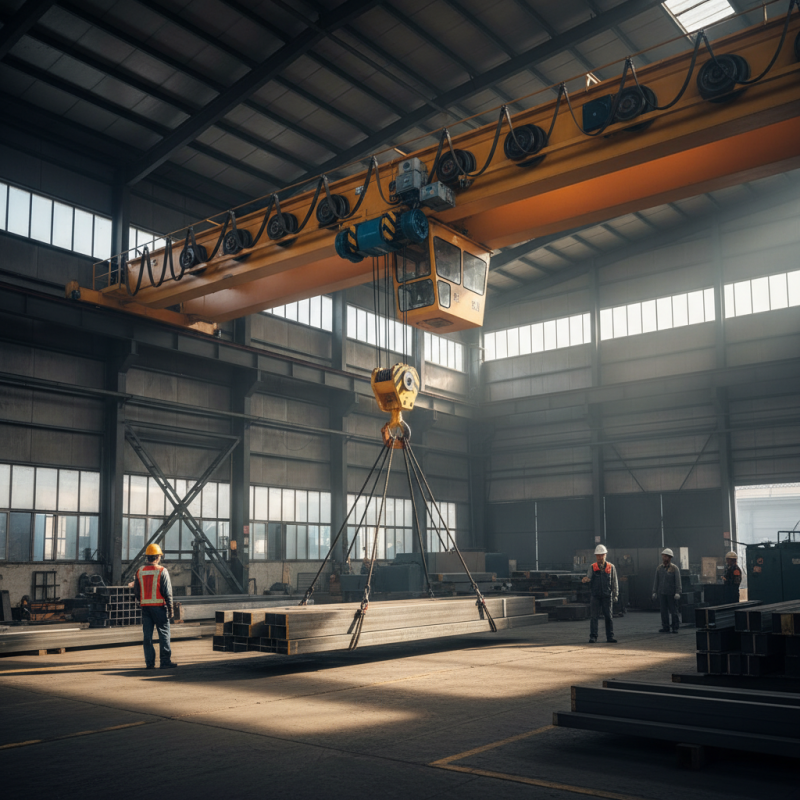
A bridge crane trolley is designed to traverse a horizontal beam. It is equipped with a hoisting mechanism, enabling it to hoist, lower, and transport heavy materials. Its design ensures stability and safety, crucial for operations in various industrial settings.
Challenges do exist. Some issues can arise, such as misalignment or wear over time. Regular maintenance is key to preventing these pitfalls. Understanding how the bridge crane trolley operates can enhance its efficiency. Awareness of potential problems can lead to better management strategies in your operations.
What is a Bridge Crane Trolley?
A bridge crane trolley is a vital component of overhead crane systems. It moves along a beam installed on the bridge of the crane. This design allows for the lifting and transporting of heavy loads efficiently. Typically, a trolley includes wheels that run on the rails of the bridge. These wheels are designed for smooth operation, enhancing control and stability.
The operation of a bridge crane trolley involves several parts working in unison. A motor powers the trolley, enabling it to move back and forth. The lifting mechanism, often a hook or clamp, is controlled separately. This allows workers to position loads precisely where needed. However, operating this equipment requires training. Improper handling can lead to accidents.
In practice, bridge crane trolleys offer versatile applications in factories and warehouses. Yet, they are not without drawbacks. Regular maintenance is essential to ensure safety and functionality. Users should be aware of potential wear and tear on mechanical parts. Understanding the equipment's limitations is crucial for safe operation. Recognizing these factors can lead to safer work environments.
What is a Bridge Crane Trolley and How Does it Work?
| Feature | Description |
| Definition | A bridge crane trolley is a component of a bridge crane that facilitates the movement of loads along the girder. |
| Function | It allows for the horizontal movement of materials and is crucial for efficiency in material handling. |
| Components | Typically includes a trolley frame, hoist mechanism, wheels, and electrical components for movement. |
| Operation | Operated via a control system, either manually or automatically, allowing precise positioning of loads. |
| Applications | Used in warehouses, manufacturing plants, and construction sites for lifting and transporting heavy loads. |
| Safety Features | Includes limit switches, emergency stop buttons, and overload protection to ensure safe operation. |
Key Components of a Bridge Crane Trolley
A bridge crane trolley is a vital component in industrial settings. It moves along a bridge, allowing for efficient material handling. Understanding its key components is essential for effective operations.
The trolley's structure typically includes wheels, a motor, and a hoisting mechanism. These wheels allow smooth movement along the bridge. The motor drives the trolley, making it easier to transport heavy loads. The hoisting mechanism can be chain or rope-based, providing flexibility in lifting materials. This combination of components ensures efficiency and reliability in lifting tasks.
Tips: Regular maintenance of the trolley is crucial. Check the wheels for wear and tear. Inspect the motor for any unusual noises. Make sure the hoisting mechanism operates smoothly.
Another essential component is the control system, typically a pendant or radio remote. It provides operators with precise control over the trolley’s movements. This system should be easy to use, ensuring quick response times during operation. However, operators must receive training to avoid accidents.
Keeping an eye on safety features is also important. Trolley brakes and limit switches help prevent malfunctions. Implement regular safety audits to identify potential issues before they arise.
How Bridge Crane Trolleys Operate Mechanically
Bridge crane trolleys are critical components in material handling systems. They typically consist of a wheeled framework attached to a bridge crane. The trolley moves along the bridge, allowing for precise horizontal movement of loads. This functionality is crucial in industries like manufacturing, shipping, and warehousing, where efficiency is key to productivity. According to a report by the Occupational Safety and Health Administration (OSHA), proper trolley operation can reduce workplace accidents by up to 40%.
Mechanically, bridge crane trolleys operate using electric drive systems that are both efficient and reliable. The drive motors convert electrical energy into mechanical power, enabling swift movement. Most trolleys have adjustable speeds and can carry loads ranging from a few hundred pounds to several tons. However, maintaining the balance and stability of a moving load remains a challenging aspect. Improper loading can lead to tipping, resulting in damage or injury.
The wheels of a trolley are designed for specific track types, impacting performance. Understanding track conditions is essential; worn tracks or poor installation can hinder movement. Regular inspections are necessary to ensure the trolley's functionality. Some operators overlook maintenance, leading to downtime. Such oversights can affect safety and operational efficiency. Balancing load safety with mechanical limitations demands constant attention to detail in bridge crane operations.
Applications of Bridge Crane Trolleys in Various Industries
Bridge crane trolleys are vital in various industries, transporting heavy loads efficiently. These trolleys are commonly used in manufacturing, warehouses, and construction sites. Their ability to move vertically and horizontally enhances workflow and safety. They are ideal for lifting steel beams, heavy machinery, and shipments. Many industries rely on these trolleys for day-to-day operations.
In manufacturing, bridge crane trolleys expedite processes. They allow seamless transportation of materials across production lines. This efficiency reduces downtime and increases productivity. In construction, these trolleys lift heavy materials to significant heights. Workers can focus on tasks without the threat of heavy lifting injuries.
Tips for using bridge crane trolleys effectively include regular maintenance to avoid unexpected breakdowns. Inspect the trolley for signs of wear or damage. Provide clear training for operators. Improper use can lead to accidents and costly delays. Understanding load limits is crucial; overloading can compromise safety. Always plan lifts carefully to ensure smooth operations. Being mindful of these aspects ensures maximum efficiency and safety.
Applications of Bridge Crane Trolleys in Various Industries
Safety Considerations for Using Bridge Crane Trolleys
Bridge crane trolleys are essential for various industrial applications, allowing for the smooth movement of heavy loads. However, their usage poses significant safety risks. According to industry statistics, around 50% of crane accidents stem from improper operation or lack of maintenance. Understanding these risks is crucial for any workplace relying on this equipment.
Proper training is vital. Operators must be familiar with the crane’s controls and features. Inadequate training can lead to mishandling, causing injuries or property damage. Regular inspections are necessary, yet organizations often overlook this. A report by the Occupational Safety and Health Administration (OSHA) reveals that proper inspection can reduce accident rates by nearly 30%.
Load limits are another critical aspect. Overloading a bridge crane trolley can lead to catastrophic failures. Despite the known risks, some operators ignore weight restrictions. In practice, nearly 20% of load-related accidents involve equipment exceeding the rated capacity. Establishing a culture of safety and adhering to guidelines can prevent many issues; however, continuous monitoring and improvement are key to real progress.