What Is the Best Weatherproof Tape for Outdoor Use?
Choosing the best Weatherproof Tape for outdoor use requires more than trusting a bold “all-weather” label. Sunlight, rain, frost, dust, and repeated temperature changes can weaken an adhesive within months. A tape that grips a dry window frame may peel from wet brick after one storm.
Grand View Research valued the global adhesive tapes market at approximately $76.7 billion in 2022. Its report also projects continued growth through 2030. However, this broad market figure includes packaging, medical, automotive, and industrial tapes. It does not prove that every product performs outdoors.
Testing matters.
ASTM D3330 measures peel adhesion, while ASTM G154 evaluates accelerated ultraviolet exposure. These tests help, but they cannot perfectly recreate a windy roof edge or a damp garden wall. Dr. David A. Dillard, a respected adhesive-joint researcher, has emphasized, “Surface preparation is central to reliable bonding.” That practical warning deserves attention. Even premium tape can fail when applied over chalky paint, oily plastic, or trapped moisture.
The right choice depends on the surface and exposure. Acrylic adhesive tapes usually offer stronger ultraviolet and temperature resistance than many rubber-based formulas. Foil-backed versions can help seal ducts and reflect radiant heat. But thickness, backing flexibility, shear strength, and manufacturer testing remain important.
A careful comparison should examine published data, not just customer ratings. Look for temperature limits, water-resistance claims, substrate compatibility, and aging results. Clean the surface first. Press the tape firmly. Allow curing time when required.
Outdoor repairs are rarely perfect. That is why this guide compares real specifications with practical field conditions. The “best” Weatherproof Tape is not universal. It is the tape that stays bonded where you actually need it.
Weatherproof Tape: Definition, Materials, and Outdoor Performance
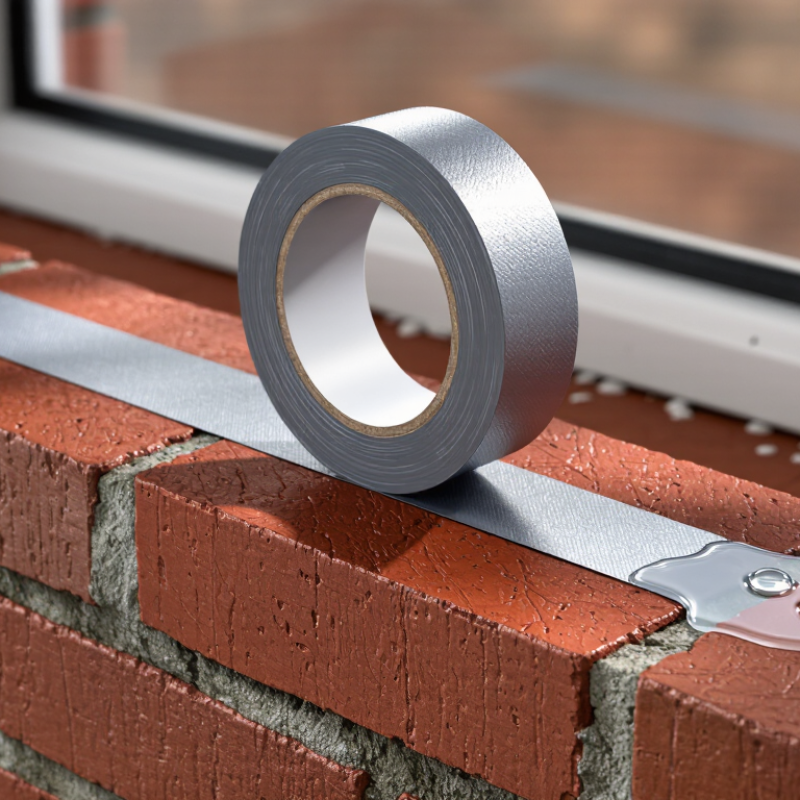
Weatherproof tape is an adhesive barrier designed to resist rain, humidity, sunlight, and temperature changes. It is useful for sealing outdoor joints, repairing covers, and protecting cable connections. However, “weatherproof” does not always mean permanently waterproof. Performance depends on the tape’s materials, installation, and exposure.
Common options include butyl rubber tape, acrylic adhesive tape, and polyethylene-backed tape. Butyl tape remains flexible and works well around uneven surfaces. Acrylic adhesives usually handle ultraviolet exposure better and maintain strength over time. Polyethylene backings add a protective layer against moisture and abrasion.
In outdoor tests, adhesion often fails because dust, oil, or moisture remains beneath the tape. Clean, dry surfaces matter more than many people expect. Temperature also matters. Cold surfaces can reduce initial bonding.
Tips: Press the tape firmly, especially along the edges. Overlap seams by at least two centimeters. Avoid stretching it during installation. Test a small area first. I once applied tape to a damp metal surface, and it lifted after one rainy night. That mistake was preventable. Check the product’s temperature range and sunlight resistance before choosing it. For rough masonry or constantly moving materials, a flexible tape may perform better than a very strong, rigid adhesive. Reinspect exposed repairs after storms, because even good tape can develop small edge gaps.
Key Factors for Choosing Tape in Different Weather Conditions
What Is the Best Weatherproof Tape for Outdoor Use?
Outdoor tape must match the weather, not just the surface. NOAA recorded 28 billion-dollar weather and climate disasters in the United States during 2023. That figure reflects increasingly demanding installation conditions. Rain, strong sunlight, freezing temperatures, and sudden heat can all weaken an adhesive bond.
Moisture changes everything. For damp or rainy areas, choose tape with a water-resistant backing and an adhesive that develops strong initial contact. Apply it to a clean, dry surface whenever possible. In cold weather, many adhesives become less flexible, so check the product’s minimum application temperature. Heat matters too. Dark metal and roofing materials can become much hotter than surrounding air. A tape rated only for mild temperatures may soften, slide, or leave residue.
Ultraviolet exposure deserves attention. The World Meteorological Organization reported that 2023 was about 1.45°C above the pre-industrial average, increasing concern about heat and weather extremes. This does not prove that every tape will fail faster, but it supports more careful UV and temperature testing. Look for performance data from ASTM D3330 peel testing and ASTM G154 accelerated UV exposure. These tests help, but they do not perfectly reproduce a windy, wet jobsite. I have seen excellent adhesion fail after dust reached one edge. That mistake is easy to repeat. For masonry, wood, plastic, and painted metal, test a small area first, then inspect the bond after rain, heat, and overnight cooling.
What Is the Best Weatherproof Tape for Outdoor Use?
Acrylic adhesive tapes generally provide the strongest long-term resistance to ultraviolet exposure and changing outdoor temperatures. Butyl rubber tapes perform particularly well in wet conditions because of their strong water-sealing properties, while silicone adhesive tapes are suitable for extreme heat, cold, and low-surface-energy materials. PVC-based tapes offer practical performance for general outdoor repairs but may have lower long-term UV and temperature resistance. Scores are comparative guidance based on typical material properties rather than brand-specific laboratory ratings.
Comparing the Best Tape Types for Outdoor Applications
Outdoor tape performance depends more on adhesive chemistry than appearance. Acrylic tape usually handles sunlight, rain, and temperature swings well. It also ages slowly on sealed metal, glass, and painted surfaces. Butyl tape remains highly conformable, making it useful around roof joints and uneven masonry. It can attract dust at exposed edges. Silicone tape tolerates extreme heat and clean removal, yet it often costs more and needs careful surface preparation.
The comparison is not flawless. No tape wins every outdoor test. A 2024 MarketsandMarkets report valued the global pressure-sensitive adhesives market at about $13.5 billion in 2023. It projects continued growth through 2028, reflecting wider demand for durable bonding systems. That figure covers many industries, not outdoor tape alone. Still, it shows why adhesive selection deserves technical attention. ASTM D3330 peel testing can compare adhesion, but laboratory results may not match a wet, dusty wall. Field exposure matters.
Tips: Clean the surface with isopropyl alcohol, then let it dry completely. Press firmly for several seconds. Seal exposed edges when rain can enter. For plastic, test a small hidden area first. Dark tape can become surprisingly hot in direct sun. Check the product’s temperature and UV ratings before installation. My own caution is simple: “weatherproof” is not permanent. Surface movement, frost, and poor preparation can defeat excellent tape.
How to Prepare Surfaces and Apply Weatherproof Tape Correctly
What Is the Best Weatherproof Tape for Outdoor Use?
The best weatherproof tape depends on the surface, temperature, moisture, and expected movement. Outdoor use is rarely a perfect laboratory condition. ASTM D3330 evaluates peel adhesion, while ASTM D3654 measures holding power under constant load. These tests matter because a tape may grip well but still creep under tension. Choose a tape with documented outdoor aging, UV resistance, and temperature performance. Do not rely on thickness alone.
Surface preparation often decides the result. Remove dust, grease, loose paint, and oxidation with a clean, compatible solvent. Let the surface dry completely. For porous materials, a suitable primer may improve bonding. Apply the tape when the surface temperature meets the technical data sheet. Press from the center outward, using firm and even pressure. A hand roller works better than fingertips. Leave no raised edges. Water will find them.
Tips: Cut clean edges. Round the corners. Avoid stretching the tape during application. Overlap seams carefully, but do not create pockets. Industry test reports based on ASTM methods often show adhesion changing sharply after heat, water, or UV exposure. That is why a small field test helps. Test for 24 to 72 hours before full installation. I sometimes skip this step when the weather looks stable, and that is exactly when hidden moisture causes failure. Recheck the bond after the first heavy rain.
Maintenance, Removal, and Safety Considerations for Outdoor Tape
The best weatherproof tape depends on the outdoor surface and exposure. Choose tape rated for UV light, rain, and temperature changes. Acrylic adhesive often tolerates sunlight better than ordinary household adhesive. However, ratings can mislead when surfaces are dusty or damp. I clean metal, glass, or sealed wood with a suitable solvent. Then, I let the surface dry completely. A small test patch remains useful, especially on painted or porous materials. Weather can matter more than the label.
Inspect the tape after heavy rain, freezing nights, and strong wind. Lifted corners collect water and grit, causing wider peeling. Pressing an edge down may not restore the seal. Trim loose sections and replace the tape on a clean, dry area. Avoid stretching it during installation. Tension can cause shrinkage later. Check the recommended temperature range before applying. Cold adhesive may feel firm but bond poorly. That mistake is easy to make.
For removal, warm the tape gently with a hair dryer, never an open flame. Pull slowly at a low angle, keeping the strip close to the surface. Stop if paint, insulation, or old caulk begins to lift. Test any residue remover in an unseen spot first. Wear gloves and eye protection when scraping hardened adhesive. Ventilate the work area, and never mix cleaning chemicals. Patience usually leaves fewer marks, although old paint can still fail unexpectedly.