

Across the world, paving contractors face a practical choice: buy new equipment or find a dependable used machine. The scale of road networks makes that decision important. The Federal Highway Administration’s Highway Statistics 2022 reports roughly 4.2 million miles of public roads in the United States alone. That network needs ongoing paving, maintenance, and rehabilitation.
A well-chosen Uesd Paver can help control upfront costs while delivering consistent mat quality. But age and price tell only part of the story. Hours, screed condition, conveyor wear, parts availability, and service records deserve close inspection. Look for uneven screed plates, hydraulic leaks, and worn auger flights. Small clues matter.
Industry data adds useful context. The National Asphalt Pavement Association’s Asphalt Pavement Industry Survey tracks asphalt mix production and the use of reclaimed materials, highlighting the continuing scale and technical demands of asphalt paving. Its findings do not rank individual machines, so buyers still need to verify each unit’s condition and history. A clean paint job proves little.
This guide examines 10 used paver machines offered across global markets, from compact models for tight urban streets to larger units built for highway work. We compare practical factors such as paving width, transport needs, operating controls, and likely maintenance demands. Availability and specifications vary by seller and region. Treat listings as starting points, not guarantees. A careful inspection can prevent expensive surprises, though even experienced buyers sometimes miss a detail.
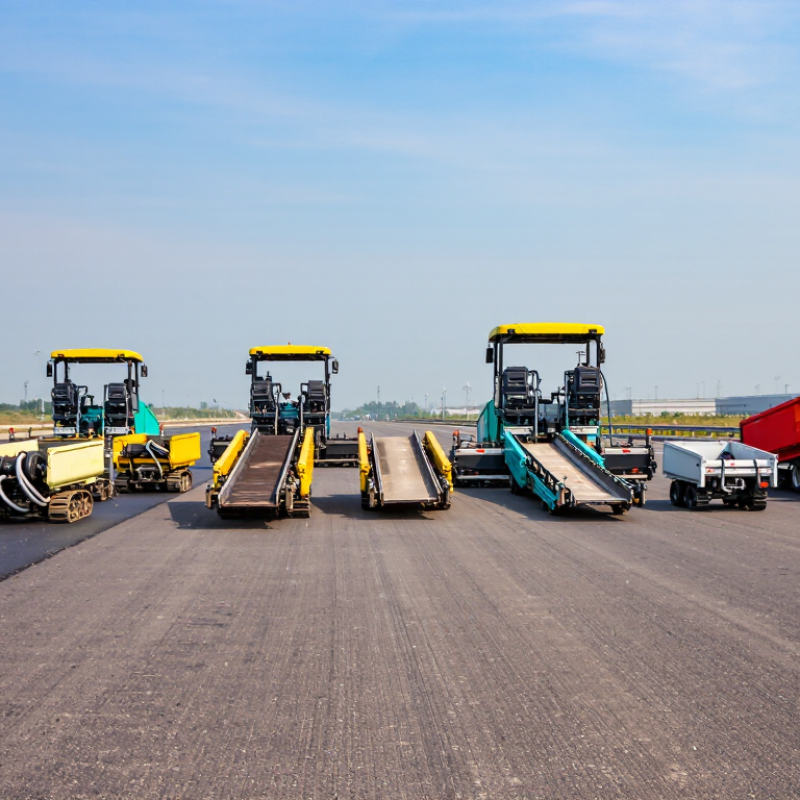
Used paver machines place and shape paving material across prepared surfaces. Their condition affects mat thickness, smoothness, and jobsite pace. Asphalt pavers are common on roads and parking areas. Tracked models offer traction on soft or uneven ground, while wheeled models move quickly between firm work zones. Concrete pavers, including slipform machines, form slabs and channels using molds or shaping systems. Compact pavers can suit narrow paths and smaller repair projects. The categories overlap a little; check the machine’s actual configuration, not just its listing title.
Tips: Match the paver to the material, width, and daily workload. Inspect the screed for wear, the augers and conveyors for damage, and the tracks or tires for uneven wear. Ask for maintenance records, then run the machine under load if possible. Watch how evenly material feeds across the screed. A clean paint job proves little. It is easy to overlook small leaks or worn controls during a quick inspection.
Also confirm that key parts remain available and that the controls feel familiar to your crew. Older machines may still work well, but repairs can interrupt a tight schedule. Be realistic about transport dimensions and setup time. A bargain is not always a saving.
| Paver Type | Typical Applications | Typical Paving Width | Approx. Operating Weight | Common Used Age Range | Indicative Used Price (USD) | Key Checks Before Purchase |
|---|---|---|---|---|---|---|
| Mini asphalt paver | Small repairs, footpaths, driveways, cycle lanes, and confined urban sites | Approx. 0.8–2.5 m | Approx. 1.5–5 tonnes | 5–15 years | $10,000–$60,000 | Check screed heating, auger and conveyor wear, steering response, and availability of replacement parts. |
| Compact tracked asphalt paver | Residential streets, parking areas, narrow roads, and small-to-medium paving projects | Approx. 1.5–4 m | Approx. 5–10 tonnes | 5–15 years | $20,000–$100,000 | Inspect track chains and rollers, screed extensions, material-feed components, and engine condition. |
| Compact wheeled asphalt paver | Urban streets and sites where travel speed and frequent repositioning are important | Approx. 1.5–4.5 m | Approx. 6–12 tonnes | 5–15 years | $20,000–$110,000 | Check tires, wheel drive, steering, braking, and whether the machine has suitable screed extensions. |
| Mid-size tracked asphalt paver | Road resurfacing, municipal roads, and medium-scale commercial paving | Approx. 2.5–6 m | Approx. 10–20 tonnes | 5–18 years | $35,000–$180,000 | Review service records and inspect the conveyor, augers, screed plates, crown adjustment, and track system. |
| Mid-size wheeled asphalt paver | Road maintenance and larger urban projects requiring faster site-to-site movement | Approx. 2.5–6 m | Approx. 10–18 tonnes | 5–18 years | $30,000–$170,000 | Test travel and paving modes, inspect tires and hydraulic systems, and confirm screed heating works evenly. |
| Highway-class tracked asphalt paver | Highway lanes, arterial roads, and long paving runs where traction and consistent mat quality matter | Approx. 2.5–9 m | Approx. 15–30 tonnes | 5–20 years | $70,000–$350,000 | Assess track wear, screed condition, sensor compatibility, paving controls, and the cost of transport to the job site. |
| High-capacity asphalt paver | Large highway projects, airport pavements, and high-volume paving operations | Approx. 3–12 m, depending on configuration | Approx. 20–40 tonnes | 5–20 years | $120,000–$600,000 | Verify production capacity, screed configuration, engine and hydraulic condition, and compatibility with local transport limits. |
| Asphalt shoulder or narrow-width paver | Road shoulders, narrow lanes, cycle paths, and edge paving beside existing pavement | Approx. 0.5–3.5 m | Approx. 3–12 tonnes | 5–18 years | $15,000–$120,000 | Check offset-paving controls, screed adjustment range, edge accuracy, and the availability of the required attachments. |
| Concrete curb-and-gutter slipform paver | Forming concrete curbs, gutters, medians, and other narrow linear structures | Approx. 0.3–2.5 m, depending on mold | Approx. 5–15 tonnes | 5–20 years | $25,000–$180,000 | Inspect molds, vibration system, steering and grade controls, and confirm that the included mold suits the intended profile. |
| Concrete road slipform paver | Continuous paving of concrete roads, industrial pavements, and other wide slabs | Approx. 2.5–12 m | Approx. 15–50 tonnes | 5–20 years | $80,000–$500,000 | Check the paving tracks, hydraulic systems, vibration units, profile controls, and availability of trained operators and parts. |
Price ranges are broad, indicative estimates in USD rather than quotations for specific machines. Actual asking prices vary by location, year, operating hours, condition, configuration, transport costs, and local demand. Always inspect the machine and verify its maintenance history before purchase.