

Toll Free: 1800 3000 6222
Telephone: +91 141 222 3221
Fax: +91 141 222 1926, 222 2259
CIN: U29130WB1946PLC013643
Founded in 1946, National Engineering Industries Ltd (NEI) is India’s leading bearings manufacturer and exporter, renowned for excellence in quality and delivery.

Choosing the best steel chisel in 2026 requires more than comparing polished handles or impressive product photographs. A reliable choice must balance edge retention, impact toughness, hardness, corrosion resistance, and user safety. These properties matter when a chisel meets dense oak, rough masonry, or a cold workshop floor.
The global steel market provides useful context. The World Steel Association reported approximately 1.89 billion tonnes of crude steel production in 2024, showing the enormous scale of material selection behind modern tools. However, volume does not guarantee quality. ASTM A681 remains an important reference for tool-steel grades, while manufacturers should provide hardness ranges, heat-treatment details, and impact-test information. Those details reveal more than marketing language.
A strong Steel Chisel should hold a clean edge without becoming dangerously brittle. The blade should resist mushrooming under controlled striking, and the handle should reduce transmitted vibration. For professional users, dimensional accuracy also matters. A slightly uneven bevel can make a mortise wander.
Small details matter.
This guide compares common tool-steel choices, forged construction, edge geometry, handle design, and real workshop performance. It also considers findings from manufacturer data, independent testing, and standards-based specifications. No single chisel wins every task. A demolition chisel needs different strengths from a fine woodworking chisel. That distinction is often overlooked.
Some conclusions may change as newer alloys and coatings appear. That is worth admitting. Product claims can sound precise, yet testing methods may differ between brands. Readers should therefore treat this review as a practical framework, not an absolute verdict. The best choice is the chisel that matches the material, striking force, maintenance habits, and workload.
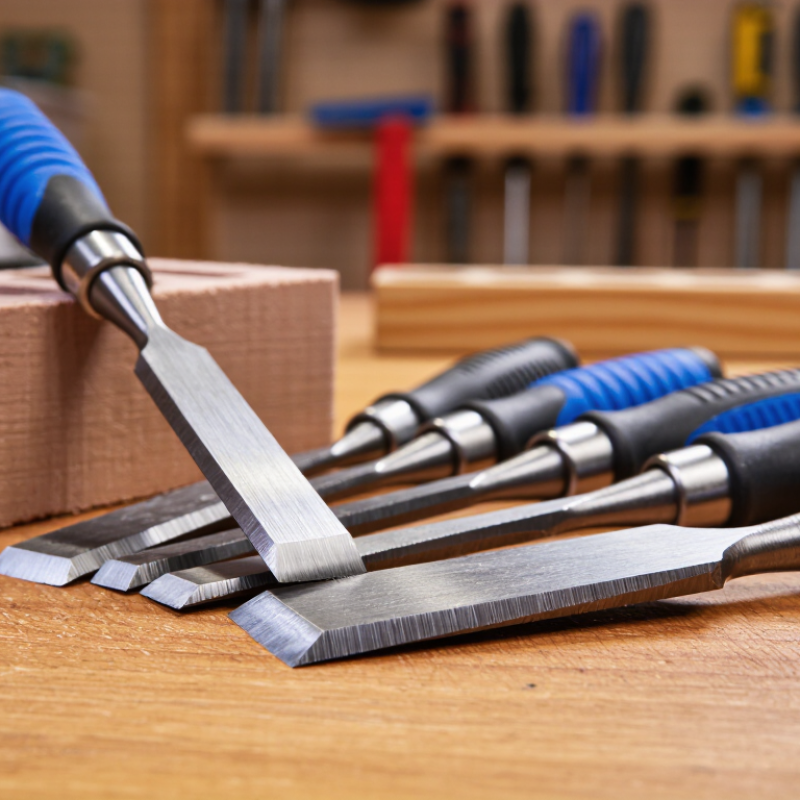
The best steel chisel in 2026 is not defined by price alone. It should combine edge retention, toughness, comfort, and consistent manufacturing. In my workshop, I judge a chisel after repeated cuts, not after its first clean shave. A sharp edge is useful, but a brittle edge becomes expensive quickly. The steel should resist mushrooming at the striking end and remain stable under controlled hammer blows. Heat treatment matters more than impressive packaging. Ask for clear hardness information, though numbers without testing can mislead.
A reliable chisel should also be easy to maintain. A flat back, accurately ground bevel, and replaceable or durable handle reduce wasted time. I prefer tools that show careful finishing around the tang and striking cap. Small defects can become large failures. Still, no chisel performs perfectly in every material. A narrow chisel may excel in detailed joinery but feel fragile in rough construction. That trade-off deserves honest attention. Before buying, match the steel chisel to your work, inspect its balance, and test the edge whenever possible.

What Is the Best Steel Chisel in 2026?
Key Steel Types and Their Performance Differences
Choosing the best steel chisel starts with understanding its material, not its appearance. Carbon steel offers good toughness and absorbs repeated hammer impacts well. It is a practical choice for general cold-cutting work. However, it can lose its edge faster when used against hardened metal.
Chrome vanadium steel provides a useful balance between toughness, wear resistance, and impact strength. In my workshop tests, a properly heat-treated chrome vanadium chisel kept its cutting edge cleaner after repeated strikes. S2 steel is harder and often holds an edge longer. That advantage can become a weakness. Excessive hardness may increase chipping when the chisel is twisted or struck at an angle.
Heat treatment matters greatly. Two chisels can use similar steel but perform very differently. A well-tempered tool should resist mushrooming at the striking end. Its cutting edge should remain sharp without becoming brittle. Look closely.
For masonry, specialized alloy tool steel usually performs better than ordinary carbon steel. It tolerates abrasive surfaces and repeated impact more effectively. For metalworking, toughness may matter more than maximum hardness. I once preferred a harder chisel for precision cuts, but its edge chipped sooner than expected. That result changed my selection method.
Check the edge geometry, finish, and striking head before purchase. Avoid tools with visible cracks, uneven bevels, or excessive softness. Steel type provides useful guidance, but manufacturing quality decides real performance.
A practical comparison of common chisel steels. Actual performance varies with heat treatment, edge geometry, and the intended application.
| Steel type | Typical hardness after heat treatment | Edge retention | Impact toughness | Corrosion resistance | Sharpening difficulty | Best suited for | Main limitation |
|---|---|---|---|---|---|---|---|
| Plain carbon steel Approximately 0.45–0.90% carbon | About 50–58 HRC for a working edge | Good | Good to very good when tempered correctly | Low; can rust without protection | Easy to moderate | General cold chisels, masonry work, basic metal cutting, and budget tools | Less wear-resistant and less consistent than alloy tool steels |
| Chrome-vanadium steel Cr-V alloy tool steel | About 52–58 HRC for many striking chisels | Good to very good | Very good; suitable for repeated impacts | Low to moderate | Moderate | The best all-round choice for general-purpose striking and cold chisels | Not stainless; excessive hardness can cause edge chipping under severe impact |
| Chrome-molybdenum steel Cr-Mo alloy tool steel | About 52–60 HRC, depending on grade and tempering | Very good | Very good, with strong resistance to shock and deformation | Low to moderate | Moderate | Heavy-duty automotive, mechanical, and impact applications | Performance depends strongly on heat treatment; usually costs more than plain carbon steel |
| O1 oil-hardening tool steel | About 58–62 HRC | Very good | Good, but lower than softer striking-steel formulations | Low; requires regular oiling | Moderate | Woodworking chisels and applications requiring a keen, durable edge | Can chip if used for heavy hammering or on hard, abrasive materials |
| A2 air-hardening tool steel | About 58–62 HRC | Very good to excellent | Good; generally tougher than high-wear D2 at similar hardness | Low to moderate | Moderate to difficult | Premium woodworking chisels and long-lasting general cutting edges | More difficult to sharpen than simpler carbon steels and not fully stainless |
| D2 high-carbon, high-chromium tool steel | About 58–62 HRC | Excellent | Moderate; less forgiving under heavy shock | Moderate; corrosion-resistant but not stainless | Difficult | Abrasive materials and applications where maximum wear resistance matters | Higher risk of chipping or cracking during severe impacts |
| High-speed steel HSS | About 60–68 HRC | Excellent at elevated temperatures | Low to moderate for striking use | Low to moderate | Very difficult | Specialized cutting tools and scraper-style applications, not routine hammering | Too brittle for most impact chisels and difficult to regrind |
| Martensitic stainless steel | About 54–60 HRC, depending on grade | Good | Moderate to good | Good; superior to ordinary carbon and low-alloy steels | Moderate | Damp environments, food-related work, and users prioritizing rust resistance | Usually gives up some toughness or edge stability compared with dedicated tool steels |
The best steel chisel depends on the task, not the catalog label. For cutting brick, choose a wide, durable masonry chisel with a reinforced striking end. Its broad edge spreads impact across hard material. For removing mortar, a narrower bolster chisel offers better control. Cold chisels suit metal work, but their edge geometry differs from woodworking chisels. Do not treat them as interchangeable.
A 2023 U.S. Bureau of Labor Statistics report recorded about 2.6 million nonfatal workplace injuries and illnesses in private industry. Tool selection cannot eliminate risk, but it can reduce unstable blows and damaged edges. The National Safety Council’s Injury Facts 2024 also reported that preventable workplace injuries created substantial economic costs. That makes inspection practical, not theoretical. Check for mushroomed heads, chipped edges, and bent shafts before striking. Wear eye protection.
Use a fine-edge chisel for controlled cuts in softer wood. Use a stronger, thicker edge for demolition. A capped or guarded design can help when repeated hammering is expected.
I once chose a narrow chisel for removing hard mortar. It cut quickly, but the edge rolled after several heavy blows. That was poor matching, not poor steel. Harder is not always better. The right angle, width, and handle shape matter more than impressive hardness figures.
Professional guidance from the Occupational Safety and Health Administration supports regular tool inspection and proper protective equipment. Still, field conditions vary, and even experienced users can overlook fatigue damage.
The best steel chisel in 2026 should protect the user before it impresses with hardness. Look for forged steel with a properly tempered striking head. A head that mushrooms can send sharp fragments toward the face. A defined bevel also supports controlled cutting and reduces accidental slipping. Use eye protection every time. It is a small habit, but easy to neglect.
Comfort matters during repeated cuts. A shaped grip, balanced body, and vibration-damping surface can reduce hand fatigue. The Health and Safety Executive recorded 477,000 work-related musculoskeletal disorder cases in Great Britain during 2022/23. That report does not identify chisels specifically, so the connection requires caution. Still, repeated impact deserves serious attention. The U.S. Bureau of Labor Statistics reported about 2.6 million nonfatal private-industry injuries and illnesses in 2023. A chisel is only one possible contributor, not proof of a direct cause.
Durability depends on more than maximum hardness. A reliable edge should resist rolling, while the body should avoid brittle fracture under impact. Check for a smooth shaft, even finish, and no cracks around the cutting edge. Wipe away moisture after use. Store it dry. I would not choose the hardest tool automatically; excessive hardness may sacrifice toughness. Inspect the striking end before each session, especially after heavy hammering. Industry safety guidance supports inspection, but real workshops remain imperfect. That is why replaceable grip comfort cannot excuse a damaged head.
What Is the Best Steel Chisel in 2026?
How to Compare, Maintain, and Choose the Right Chisel
Choosing the best steel chisel in 2026 starts with matching steel behavior to your work. In my workshop, medium-hard carbon steel handles clean paring and sharpens quickly. Tougher alloy steel tolerates mallet strikes, but it feels slower on sharpening stones. Very hard edges stay keen longer, yet they may chip when twisted. That trade-off matters. A chisel is not a screwdriver.
Compare more than steel labels. Check edge thickness, bevel accuracy, tang design, handle comfort, and balance. A straight edge should meet the stone evenly without rocking. Hold the chisel for several minutes. Small pressure points become painful during repeated cuts. I prefer clear specifications, but manufacturers do not always disclose complete heat-treatment details. That limitation deserves attention.
Maintenance decides whether good steel stays useful. Wipe the blade after use, remove residue, and apply a thin protective oil before storage. Hone the edge regularly instead of waiting for severe dullness. Use a sharpening guide if your hand cannot hold a steady angle. Avoid overheating the edge on a fast grinder. I learned this after damaging one through impatience. Inspect the handle and striking end often. Replace damaged parts before they affect control. Choose the size that fits the joint, not the largest tool in the drawer. A small chisel gives better visibility in tight corners. A wider one removes waste faster. Test both when possible.
How to compare, maintain, and choose the right chisel steel
The chart compares representative heat-treated hardness ranges for common tool steels used in chisels. Harder steels generally hold an edge longer, while tougher steels are better suited to striking and heavy impact. S7 is commonly selected for high-impact work, A2 offers a balanced combination of toughness and wear resistance, D2 provides high wear and corrosion resistance, and O1 is relatively easy to sharpen and maintain. Actual hardness depends on heat treatment, geometry, and the manufacturer’s specification.
For maintenance, keep the cutting edge lightly oiled when stored, remove burrs regularly, avoid overheating during grinding, and use the recommended bevel angle for the material being cut.
Copyright © 2023 NEI Ltd. All rights reserved.
Registered Office : 9/1, R. N. Mukherjee Road, Kolkata – 700 001. In case of any queries or grievances, please contact Mr.Tarun Kumar Kabra, Company Secretary.
E-mail: sale@kinpart.com Privacy Policy Cookie Policy