Best Cargo Lift Solutions for Efficient Material Handling?
In today's fast-paced industries, efficient material handling is essential. The demand for optimized operations drives the need for advanced solutions. One such innovation is the Cargo Lift. These systems significantly enhance the movement of goods within facilities. However, selecting the right Cargo Lift solution can be challenging.
Many businesses underestimate the importance of choosing the right system. Each facility has unique requirements, which can affect performance. Cargo lifts can vary in design, capacity, and functionality. Understanding these differences is crucial for effective material handling. Overlooking this can lead to inefficiencies and increased operational costs.
Investing in a high-quality Cargo Lift can streamline processes. It can also improve safety and reduce labor costs. However, maintenance and training are essential. Companies must ensure proper upkeep of their Cargo Lift systems. Ignoring these factors could lead to unexpected problems. Making informed decisions is vital for long-term success.
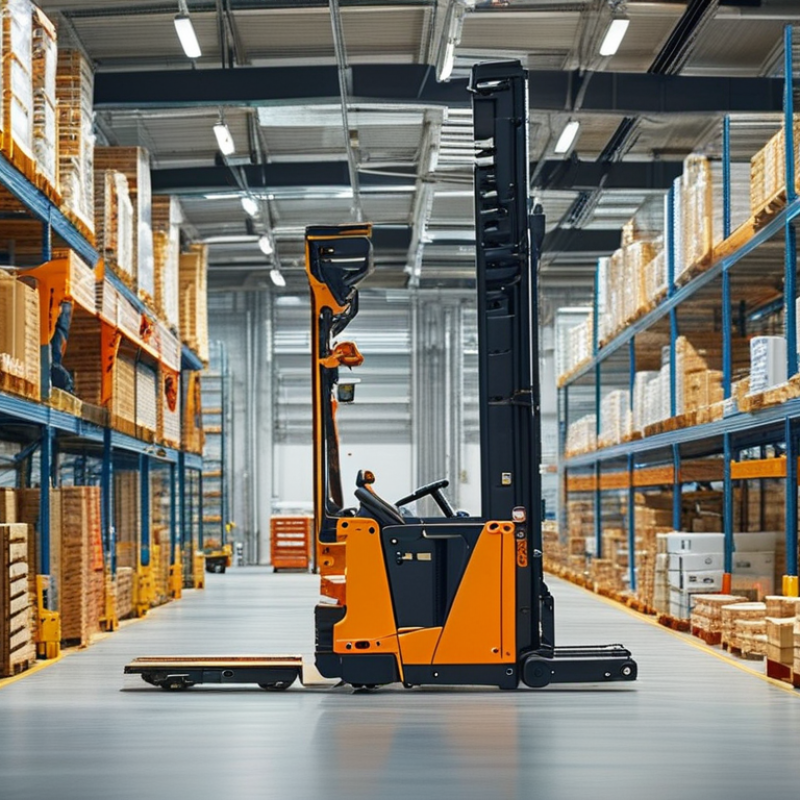
Choosing the Right Cargo Lift for Your Material Handling Needs
When selecting a cargo lift for material handling, one must consider several key factors. Load capacity is crucial. Ensure the lift can handle your maximum weight. Think about the dimensions too. The lift should fit your space without causing obstructions. Evaluate the travel height. It must meet your vertical transportation needs efficiently.
Safety is also vital. Look for features like emergency stops and automatic safety brakes. Good visibility is essential for operator safety. Another important aspect is ease of maintenance. A reliable lift should be easy to service and repair. Ask about the lifting mechanisms. Hydraulic systems might offer different advantages compared to electric motors.
Investing in the right cargo lift can significantly enhance operations. However, it’s also vital to reflect on future needs. Will your demands change in a few years? If so, select a model that can adapt to evolving requirements. This decision impacts not just today, but your long-term operational efficiency.
Understanding Different Types of Cargo Lifts Available in the Market
Cargo lifts come in various types, each designed for specific material handling needs. Understanding these options is crucial for optimizing efficiency in warehouses and construction sites. Scissor lifts, for example, are popular for their compact design and ability to elevate loads vertically. They work well in tight spaces and can handle heavy items. Yet, their limited horizontal reach may necessitate additional equipment.
Another option is platform lifts. These are often used for large cargo. They provide ample space, making them suitable for bulky items. However, they can be less maneuverable. Forklift lifts offer versatility, allowing operators to move loads both vertically and horizontally. Yet, they require skilled personnel to manage safely. The complexity of these systems warrants careful training and adherence to safety standards.
There are also specialized lifts like pneumatic lifts, which utilize air pressure for movement. They are quiet and efficient but may have higher maintenance needs. Understanding the pros and cons of each type helps businesses make informed choices. It’s essential to assess the specific requirements of your operation. This evaluation can prevent costly mistakes and enhance overall productivity in the long run.
Key Features to Consider When Selecting a Cargo Lift Solution
When selecting a cargo lift solution, several key features are crucial for efficient material handling. Load capacity is an essential factor. The lift should accommodate the maximum weight your operations demand. If the lift cannot handle the load, it compromises safety and efficiency. Inadequate capacity leads to delays and potential damage to goods.
Another vital aspect is the lift’s speed. Evaluating the time it takes for items to move between levels can significantly impact productivity. A slow lift may hinder workflow, especially in busy environments. Flexibility is also necessary. The lift should cater to various types of cargo, from pallets to machinery. This versatility ensures that the lift adapts to changing demands.
Safety features cannot be overlooked. Emergency stop buttons, safety enclosures, and reliable braking systems are essential. Regular inspection of these systems is critical for maintaining reliability. Relying only on basic safety measures can lead to accidents. Even with the best technology, human errors can occur. Continuous training and awareness are vital to ensure staff operate the lift correctly. This aspect highlights the importance of a holistic approach to material handling.
Best Cargo Lift Solutions for Efficient Material Handling
| Lift Type | Capacity (lbs) | Platform Size (ft) | Lifting Height (ft) | Power Source | Key Features |
| Hydraulic Cargo Lift | 3000 | 4 x 4 | 12 | Electric | Quiet Operation, Safe and Reliable |
| Freight Elevator | 5000 | 6 x 6 | 20 | Hydraulic | High Capacity, Heavy Duty |
| Scissor Lift | 2000 | 5 x 5 | 10 | Battery Powered | Compact Design, Easy Maneuverability |
| Vertical Reciprocating Conveyor | 4000 | 3 x 3 | 15 | Electric | Space Saving, Versatile Use |
Benefits of Using Cargo Lifts for Efficient Material Handling
Cargo lifts play a vital role in improving material handling efficiency in various industries. These systems streamline the transportation of heavy loads, saving time and labor costs. They eliminate the risk of injuries associated with manual lifting. Instead of relying on workers to move goods, businesses can automate the process with cargo lifts.
The benefits of using these lifts extend beyond safety. They also enhance productivity. With a cargo lift, multiple floors can be accessed quickly. This rapid transportation reduces downtime and increases workflow. Additionally, cargo lifts are customizable. They can be designed to accommodate different load sizes and weights, making them versatile for various applications.
However, it's crucial to consider installation and maintenance challenges. Poorly installed lifts can lead to costly repairs. Regular maintenance is essential to ensure reliability and safety. Companies must invest in training for operators. A lift is only as efficient as the people who use it. Addressing these areas can optimize the performance of cargo lifts.
Benefits of Using Cargo Lifts for Efficient Material Handling
Maintenance and Safety Tips for Cargo Lift Operations
When operating cargo lifts, safety and maintenance are paramount. Regular inspections ensure that all components function correctly. Check for wear and tear on cables and brakes. Lubrication of moving parts is essential to avoid malfunctions. An unmaintained lift can lead to accidents and costly repairs.
Here are some useful tips: Always train your operators thoroughly. Knowledge about the lift’s mechanics can prevent misuse. Implement a daily checklist for users to follow. This includes checking weight limits and ensuring doors are properly closed.
During operations, clear communication is critical. Operators should use hand signals when working with others. Avoid distractions to maintain focus. Remember, a moment of inattention can result in severe consequences. Being proactive in maintenance and safety protocols is necessary for smooth operations.