

A reliable 3D Printer Accessory can make the difference between a clean first layer and a frustrating evening of failed prints. Buyers comparing suppliers in China should look beyond low prices. Check machine compatibility, material specifications, replacement-part availability, and clear product documentation. A brass nozzle, textured build plate, or hardened-steel extruder gear may look simple, but small differences in dimensions and finish can affect print quality.
The Wohlers Report 2024 estimated that the global additive manufacturing industry generated $20.035 billion in revenue in 2023, an 11.1% increase over 2022. This figure covers a broad industry, not accessories alone. It signals a growing ecosystem, but it does not prove that every accessory supplier offers consistent quality. That distinction matters. Ask for datasheets, sample parts, and testing details before placing a large order. For consumables, confirm recommended temperatures and material compatibility; for mechanical parts, check dimensions and stated tolerances.
This guide examines practical accessory choices for buyers sourcing from China, from nozzles and build surfaces to calibration tools and maintenance items. It focuses on fit, durability, support, and value rather than bold marketing claims. Some listings may leave key details unclear. Treat that as a reason to ask questions, not assume. A thoughtful comparison can help buyers choose accessories that suit their printer, workflow, and budget.
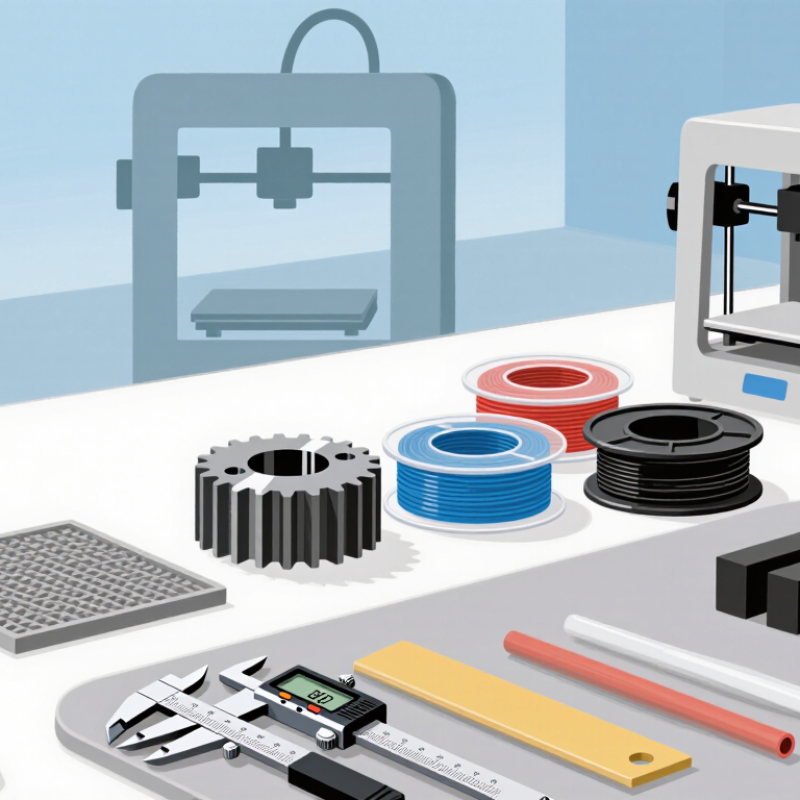
China Best 3D Printer Accessories for Buyers?
ISO/ASTM 52900 groups additive manufacturing into seven process categories: material extrusion, vat photopolymerization, powder bed fusion, material jetting, binder jetting, directed energy deposition, and sheet lamination. These categories describe how parts are made; they do not prescribe a universal accessory list. A category is a starting point, not a shopping list.
For material extrusion, buyers might compare nozzle sizes, build plates, filament dryers, and enclosures suited to their materials. Vat photopolymerization often calls for compatible resin vats, cleaning tools, and curing equipment. Powder-based processes may need dedicated sieving or powder-handling tools, while sheet lamination may rely on cutting and bonding components. Check machine compatibility, material limits, and maintenance instructions before purchasing. Small mismatches matter: a plate that looks right may still have the wrong dimensions or surface.
Tips: Match accessories to the process and the exact machine model. Ask how often parts need replacing. Keep it simple. I’d also question any accessory list that claims to fit every process; the standard’s categories are broad, and real workflows differ.
Use the additive manufacturing process category to shortlist accessories that support the machine’s materials, workflow, and post-processing needs.
| ISO/ASTM 52900 Process Category | Common Process Examples | Accessories to Consider | How They Help | Buyer Checks |
|---|---|---|---|---|
| Material Extrusion (MEX) | Fused filament fabrication; fused deposition modeling | Build-surface plates, filament dry boxes or dryers, spare nozzles, enclosure, and part-removal tools | Supports first-layer adhesion, helps keep moisture-sensitive filament dry, and provides routine maintenance or handling tools. | Check nozzle and filament compatibility, build-plate dimensions, enclosure requirements, and whether the material requires controlled drying. |
| Vat Photopolymerization (VPP) | Stereolithography; digital light processing | Resin wash container or washing station, UV post-curing unit, resin-handling tools, and a compatible build platform | Helps remove uncured resin and complete the post-curing step specified for the resin and part. | Match wash liquid and curing wavelength or settings to the resin instructions. Provide suitable gloves, eye protection, and ventilation for resin handling. |
| Powder Bed Fusion (PBF) | Polymer powder-bed fusion; laser powder bed fusion of metals | Depowdering tools, powder sieves, powder-recovery equipment, and material-appropriate protective equipment | Supports removal of loose powder and, where the workflow permits, screening and recovery for reuse. | Confirm powder type, machine-specific recovery procedures, and combustible-dust or metal-powder safety requirements. Metal systems may require controlled atmospheres. |
| Material Jetting (MJT) | Photopolymer material jetting; multi-material material jetting | Support-material removal tools, cleaning supplies, and compatible post-curing equipment when specified by the process | Assists with removing support material and completing the prescribed cleaning or finishing workflow. | Support-removal methods vary by material and machine. Verify whether supports dissolve, soften, or require mechanical removal before buying supplies. |
| Binder Jetting (BJT) | Sand binder jetting; metal binder jetting | Powder-handling and depowdering tools, curing or drying equipment, and infiltration supplies where applicable | Supports powder removal and the material-specific steps needed after printing; some parts require curing, sintering, or infiltration. | Post-processing depends strongly on the feedstock and part design. Confirm the required workflow and whether equipment is supplied as part of the production system. |
| Directed Energy Deposition (DED) | Laser, electron-beam, or arc-based deposition | Shielding-gas equipment where required, wire or powder feed components, fixtures, and process-monitoring tools | Supports material delivery, workpiece positioning, and process conditions during deposition or repair. | Match feedstock and consumables to the deposition system. Check gas requirements, electrical or laser safety provisions, and fixture capacity. |
| Sheet Lamination (SHL) | Ultrasonic or adhesive sheet lamination | Sheet-material handling tools, cutting or trimming tools, and workholding fixtures | Helps position and secure sheet stock and finish parts after lamination. | Confirm sheet dimensions, material type, cutting method, and fixture compatibility with the specific lamination process. |
Selection note: ISO/ASTM 52900 provides terminology and categories for additive manufacturing processes; it does not prescribe a universal accessory set. Confirm compatibility, safety requirements, and post-processing instructions with the equipment and material documentation before purchasing.