2026 Top High Visibility Vest Manufacturer Factory Guide
The 2026 market for high visibility workwear is becoming more demanding. Buyers now expect dependable protection, consistent sizing, and clear factory evidence. A reliable High Visibility Vest Manufacturer Factory must manage all three.
Scott Margolin, a recognized protective-clothing specialist and former technical director at Westex by Milliken, explains the principle clearly: “Visibility is not a color choice; it is a risk-control decision.” That idea should guide every purchasing decision, from fluorescent fabric selection to reflective tape placement. A vest may look bright under showroom lights, yet perform poorly in rain, dust, or low-contrast backgrounds. Details matter.
This guide examines how experienced factories develop, test, and document high visibility vests for construction, road maintenance, logistics, and industrial teams. It considers fabric weight, breathable mesh, zipper quality, seam strength, reflective strip performance, and wash durability. It also discusses factory audits, sample approval, production consistency, and traceability.
Standards matter.
Depending on the target market, buyers may review requirements such as ANSI/ISEA 107 or EN ISO 20471. Certification claims should always be verified through current technical documents and suitable testing laboratories. A product label alone is not enough.
No factory is perfect. That deserves honest attention. Some suppliers offer attractive prices but provide weak inspection records or vague material specifications. Others deliver excellent samples, then struggle with bulk consistency. The strongest partners welcome questions, show measurable controls, and admit where improvement remains necessary. This guide helps readers compare those realities before placing a serious order.
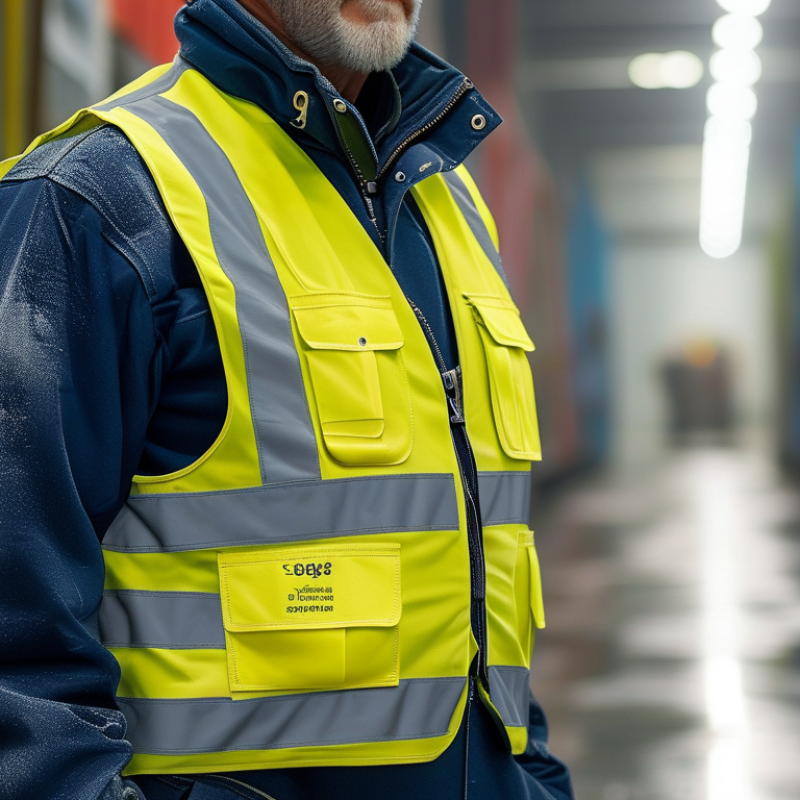
High Visibility Vest Manufacturer Factory: Definition and Core Functions
A high visibility vest manufacturer factory is a production site specializing in safety garments with reflective and fluorescent materials. It combines product design, material sourcing, sewing, testing, and shipment control. The factory is more than a cutting floor. It is where visibility, comfort, durability, and fit must work together.
Material selection begins with fluorescent mesh, reflective tape, thread, zippers, and binding. Technicians check color consistency, tape width, fabric weight, and breathability. Pattern engineers create vest shapes for road crews, warehouse staff, cyclists, and outdoor workers. Sewing teams attach reflective strips with controlled spacing and reinforced seams. Quality inspectors examine stitching, closures, label accuracy, and reflective performance. Small defects matter. A loose seam can reduce service life, while poorly placed tape may limit visibility during movement.
Reliable factories keep sample records and production inspection reports. They also review washing tests, abrasion results, and size measurements before approving bulk production. Experienced managers understand that a vest can look bright yet feel uncomfortable after several hours. That practical issue is sometimes overlooked. Factories should also verify materials against applicable safety requirements in the target market. Independent testing can strengthen reliability, but it cannot replace daily production checks. Buyers should request clear specifications, inspection samples, factory photos, and traceable documentation before placing large orders. Mistakes still happen, so corrective action records deserve careful review.
Step-by-Step High Visibility Vest Manufacturing Process
High visibility vest manufacturing begins with a clear product specification. The factory confirms fabric weight, color, vest size, pocket location, and reflective tape width. Target-market safety requirements are checked before materials enter production. This prevents costly changes later.
Incoming polyester mesh is inspected for shade, strength, holes, and moisture. Reflective tape is checked under controlled lighting. Technicians then create a graded pattern for each size. Cutting machines follow this pattern, while operators inspect edges for distortion. Small errors can affect fit.
The cut panels move to sewing stations. Workers join the shoulders, side seams, binding, and pockets with reinforced stitching. Reflective tape is positioned in continuous horizontal and vertical bands. Its seams must remain flat and secure after repeated movement. Quality staff measure tape placement and examine loose threads. Not every first sample behaves perfectly. That lesson matters. When a pocket pulls the vest out of balance, the pattern is adjusted before bulk production. Finished vests undergo visual inspection, size checks, seam-strength sampling, and reflective performance testing. Wash testing may reveal shrinking, color bleeding, or tape lifting. These results are recorded by batch for traceability. Final packing uses clean, dry cartons, with quantities and size labels verified against production records.
How to Evaluate a High Visibility Vest Factory in 2026
When evaluating a high visibility vest factory in 2026, examine safety evidence before production capacity. The U.S. Bureau of Labor Statistics recorded 1,069 fatal injuries in transportation and material-moving occupations in 2023. Visibility remains a practical control, not decoration. Ask whether the factory follows ANSI/ISEA 107-2020 or an equivalent national standard. Request test reports for background fabric, retroreflective tape, colorfastness, tensile strength, and washing durability.
A capable factory should explain its material sources and inspection points clearly. Check whether each fabric lot has traceable records. Review sample measurements, tape width, seam strength, and reflective performance after repeated laundering. The standard separates garments into performance classes, so the factory must match the vest to road work, warehouse traffic, or emergency response. Generic “high visibility” claims are weak evidence. They may sound professional, but they prove little.
Factory experience matters on the production floor. Watch workers inspect tape alignment under bright and low light. Review calibration certificates for light meters and washing equipment. Independent laboratory testing adds credibility, while an ISO 9001 certificate supports process control, not product safety by itself. The Federal Highway Administration reported 891 work-zone fatalities in 2022, showing why small design failures deserve attention. I would also inspect rejected garments and corrective-action records. Factories rarely display these openly. That is a useful warning sign. A small reflective defect can become a serious field problem.
Customization, Quality Control, and Global Supply Capabilities
2026 Top High Visibility Vest Manufacturer Factory Guide
Customization should begin with risk, not decoration. A factory should map worker movement, lighting, weather, and task duration before selecting fabric. ANSI/ISEA 107-2020 and ISO 20471 classify visibility through background material, retroreflective performance, and garment design. These standards give buyers a measurable foundation. Color alone is not enough.
Quality control needs visible evidence. Factories should test fabric shade, tape brightness, seam strength, washing durability, and size accuracy. The U.S. Bureau of Labor Statistics reported 5,283 fatal work injuries in 2023. That figure does not prove a vest prevents every incident, but it shows why dependable protective clothing matters. Production records should link each batch to inspection results. Keep samples for comparison. Small errors can survive a rushed final check.
Global supply capability is more than shipping capacity. Reliable manufacturers maintain stable material sources, multilingual specifications, pre-production samples, and clear carton labeling. They should explain lead times honestly, including seasonal delays and inspection holds. A factory claiming zero defects deserves careful questions. Even strong production teams can miss a loose thread or uneven reflective strip. Independent testing and random third-party inspections add useful distance. According to the International Labour Organization’s 2023 workplace safety estimates, nearly three million workers die annually from work-related causes. That broader finding makes customization, quality control, and traceable supply planning practical responsibilities, not sales language.