

Toll Free: 1800 3000 6222
Telephone: +91 141 222 3221
Fax: +91 141 222 1926, 222 2259
CIN: U29130WB1946PLC013643
Founded in 1946, National Engineering Industries Ltd (NEI) is India’s leading bearings manufacturer and exporter, renowned for excellence in quality and delivery.

Wholesale buyers need more than a cookie that tastes good in a sample box. Butterscotch Cookies must also arrive evenly baked, hold their shape, and deliver a dependable caramel-brown sugar flavor across repeat orders. Small details matter. A crisp edge, a soft center, and visible butterscotch chips can shape a customer’s first impression.
This guide compares buying factors for 2026, including portion size, case quantity, packaging, ingredient transparency, and storage guidance. Ask suppliers for current specifications and samples; recipes and production methods can vary. Check how cookies look after shipping, not only straight from the oven. A dented carton or uneven cookie size may complicate retail display. Shelf-life claims should be supported by the supplier’s documentation. That point deserves extra scrutiny.
For a clearly identified illustrative perspective, fictional bakery-production specialist Daniel Mercer puts the selection test this way: “A reliable cookie should taste as considered on the last tray as it did on the first.” This is an editorially created quote, not a statement from a real industry expert. Use it as a reminder, not proof of product quality. Compare samples, confirm order terms, and review the details behind each supplier’s claims. No checklist replaces a real tasting.
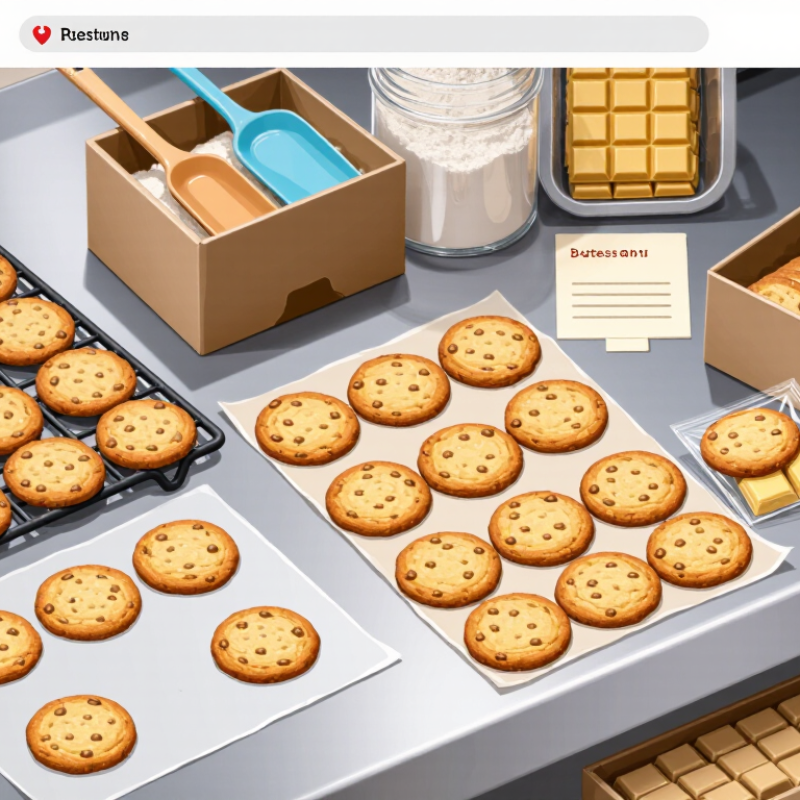
Butterscotch cookies usually pair butter and brown sugar for a warm, caramel-like flavor. Some recipes add butterscotch pieces, while others rely on browned sugar alone. Buyers should check the ingredient list rather than assume every cookie contains the same inclusions. That small detail changes sweetness, texture, and cost. Texture matters.
Wholesale formats shape how cookies arrive and sell. Bulk cases can suit cafés that plate cookies individually, while individually wrapped portions help with grab-and-go service. Tray-packed cookies may simplify display, but require suitable storage after opening. Frozen dough offers baking flexibility, though it needs freezer space and staff time. Each format brings trade-offs.
Ask suppliers for case counts, cookie dimensions, storage instructions, and a current product specification sheet. Confirm how long the cookies keep under the conditions your operation can maintain; shelf life varies by recipe and packaging. Review allergen information and handling procedures before placing an order. A sample case is useful, but tasting one cookie cannot predict every batch. The category is not perfectly consistent, and that matters. Compare a second delivery when possible, especially if the cookies will be a regular menu item.
| Wholesale Format | What Buyers Receive | Suitable For | Key Checks Before Ordering | Storage and Handling |
|---|---|---|---|---|
| Finished cookies, bulk packed | Baked cookies packed in a shared case or inner food-service pack; case count and cookie size vary by supplier. | Cafés, catering, dessert counters, and workplaces serving cookies by the piece. | Confirm pieces per case, net weight, cookie dimensions, best-before date, packaging protection, and whether cookies arrive ready to serve. | Follow the supplier’s label. Keep packs sealed as directed and protect cookies from heat, moisture, and crushing. |
| Individually wrapped, finished cookies | Baked cookies in individual wrappers, commonly shipped together in a master case. Pack counts depend on the product. | Vending, grab-and-go displays, lunch programs, hospitality, and catered events. | Check wrapper material, case quantity, individual portion weight, date coding, and whether the packaging meets the operation’s requirements. | Store according to the package directions. Keep wrappers intact until service to help protect individual portions. |
| Frozen, pre-portioned cookie dough | Portioned, unbaked dough supplied frozen for baking on site; portion size, tray format, and case pack vary. | Food-service kitchens seeking freshly baked cookies without mixing dough from scratch. | Verify freezer life, thawing instructions, bake temperature and time, expected yield, and whether baking equipment is suitable. | Maintain the storage temperature stated on the label. Follow the supplier’s thawing and baking instructions; avoid refreezing unless directed. |
| Frozen, unportioned cookie dough | Dough supplied in larger blocks or tubs for portioning before baking; the package format and yield are supplier-specific. | Bakeries and kitchens that need control over cookie size or batch quantity. | Ask for net weight, portioning guidance, expected yield, handling requirements, and any preparation steps before baking. | Keep frozen and handle according to the package directions. Use clean food-contact tools and follow the operation’s food-safety procedures. |
| Butterscotch chip or chunk cookies | Finished cookies or dough featuring butterscotch-flavored chips or chunks; ingredients and chip composition vary by recipe. | Retail displays, café assortments, dessert platters, and menus that highlight a distinct butterscotch inclusion. | Review the ingredient list, allergen statement, chip ingredients, flavor description, and sample the product before committing to a large order. | Use the storage directions for the supplied format. Protect finished cookies from heat that could soften or melt inclusions. |
| Butterscotch-flavored cookies without visible chips | A cookie whose butterscotch character comes from its recipe rather than prominent chips; exact ingredients differ among products. | Buyers seeking a more uniform appearance for plated service, packaged assortments, or a cookie selection. | Check the ingredient declaration and product description to establish how the flavor is achieved; request a sample to assess sweetness and texture. | Store and serve according to the supplier’s directions and the product label. |
Buyer note: Case quantities, dimensions, shelf life, ingredients, allergen declarations, and storage requirements are product-specific. Confirm current specifications and labeling directly with the supplier before purchase.

Wholesale buyers comparing butterscotch cookies should look beyond sweetness. Brown sugar and butter create the familiar caramel-like base, while a little salt keeps each bite balanced. Vanilla can soften the flavor, but too much may hide the toasted notes. Texture matters. A crisp edge with a tender center often travels differently from a uniformly soft cookie, so evaluate samples after realistic storage and handling.
Product variations can help serve distinct customers. Plain cookies offer a dependable option; chocolate pieces, chopped nuts, or oats add contrast and texture. Each inclusion changes more than flavor: nuts can make bites crunchier, while oats create a heartier feel. Check ingredient and allergen information carefully, and ask suppliers how they manage batch consistency. Small differences show. Cookie size, thickness, and bake color should match the product specification across samples.
For a wholesale order, compare the same cookie from more than one production batch when possible. I would not assume the sweetest sample is the best seller; tasting preferences vary, and a less sugary formula may pair better with coffee. Keep notes on flavor, breakage, and packaging condition. One imperfect detail can be useful feedback, not a reason to dismiss an otherwise promising product.
Wholesale buyers should assess butterscotch cookies beyond flavor. Check whether each cookie has an even golden-brown color, a crisp edge, and a center that stays tender without feeling greasy. Taste samples from more than one production lot; butter notes, sweetness, and bake color can vary slightly. That variation matters.
Ask for ingredient specifications, allergen information, and documented quality checks. A sample may taste excellent, yet arrive softer after a long shipment. For a practical comparison, open a case and record texture, aroma, breakage, and appearance on arrival. Small details count.
Shelf life depends on the recipe, moisture level, and storage conditions, so avoid relying on a date alone. Request the validated shelf-life period and storage guidance, then check how those figures apply to your distribution route.
Packaging should limit air and moisture exposure while protecting cookies from crushing. Sealed inner bags and sturdy cartons can help, but inspect seals and corner damage in a trial shipment. Buyers sometimes overlook the case pack: oversized cartons may leave cookies shifting in transit. A cracked cookie is still edible, but it may not suit a retail display. Compare the landed product with the original sample, not just the specification sheet.
For 2026 wholesale buying, compare delivered cost per sellable cookie, not just the quoted case price. Ask suppliers for case count, cookie weight, minimum order quantity, lead time, and freight charges. The USDA Economic Research Service’s 2022 Food Dollar Series estimates that farm production accounts for about 15 cents of each U.S. food dollar; processing, transport, and other marketing activities account for the rest. That is a useful reminder: butter, sugar, and flour costs matter, but they do not explain the whole price. Request separate pricing for standard and larger orders, and check whether discounts require a full-pallet purchase.
Order terms can make a low quote less attractive. Confirm payment deadlines, damage allowances, product shelf life at delivery, and whether the quoted price includes temperature-controlled shipping. For a first order, request a sample case and inspect cookie size, texture, and packaging after transit. A neat spreadsheet can still miss a crushed corner or a short best-by window. I’d leave room for that uncertainty rather than assume every shipment arrives perfectly.
Tips: Compare at least three written quotes using the same case quantity and delivery address. Record the quoted price, freight, lead time, and payment terms. Small detail, big difference. For broader cost context, consult USDA ERS food-price resources and track ingredient-price changes before renewing annual terms.
Illustrative price-volume scenario for comparing wholesale offers
This planning example shows a lower assumed price per dozen at higher order volumes. Prices are illustrative, not verified supplier quotes; confirm current pricing, minimum order quantities, lead times, shipping, and payment terms directly with suppliers.
For wholesale buyers in 2026, the best butterscotch cookie depends on the way customers will encounter it. A café may prefer a soft-centered cookie that pairs well with coffee and looks appealing beside a cup. A grocery retailer may need individually wrapped portions, clear date coding, and cartons that stack neatly on a shelf. Small details matter. Ask suppliers about cookie size, ingredient information, packaging options, and documented shelf-life guidance before comparing prices.
Hospitality businesses often value predictable portions and reliable replenishment, while specialty shops may choose a richer texture or a more visible butterscotch flavor. Request samples from more than one production batch when possible, then check appearance, breakage, and taste consistency. Review case quantities against storage space and expected weekly sales; a low unit price can still leave stock sitting too long. Confirm that labeling and handling information suit your operation. One easy mistake is choosing by sample alone: a warm, freshly opened cookie may not represent the product after ordinary delivery and storage. A small trial order can reveal practical issues before a larger commitment.
Copyright © 2023 NEI Ltd. All rights reserved.
Registered Office : 9/1, R. N. Mukherjee Road, Kolkata – 700 001. In case of any queries or grievances, please contact Mr.Tarun Kumar Kabra, Company Secretary.
E-mail: sale@kinpart.com Privacy Policy Cookie Policy