

nbc logo (2)
Office address
National Engineering Industries Ltd.
Khatipura Road Jaipur – 302006 Rajasthan, India
Phone Number

Toll Free: 1800 3000 6222
Telephone: +91 141 222 3221
Fax: +91 141 222 1926, 222 2259
CIN: U29130WB1946PLC013643

2026 Best Socket Weld Stub End Types for Buyers

Choosing a Socket Weld Stub End requires more than matching a nominal pipe size. Buyers should confirm the connection dimensions, material grade, wall thickness, pressure requirements, and compatibility with the adjoining fitting. Small mismatches can complicate installation. They can also affect alignment, inspection, and service life. Check the manufacturer’s drawings and applicable project specifications before ordering.

A genuine expert quotation was not supplied with the source material, so this guide does not invent one. As an editorial rule of thumb: “A sound fit begins with verified dimensions, not a catalog photo.” Use that principle when comparing product types and suppliers. Ask for dimensional data, material traceability, and inspection records where the project requires them. Look closely at socket depth, bore alignment, and surface finish; these details are easy to overlook in a quick quote review. Confirm the exact end configuration rather than relying on a broad product label. Clear documentation helps prevent avoidable substitutions. It also gives buyers a stronger basis for evaluating quality. One caveat: product names and configurations can vary by supplier. Verify each item against the drawing and purchase specification. This overview will help buyers compare common options, identify useful questions, and make a more informed selection for their piping application.
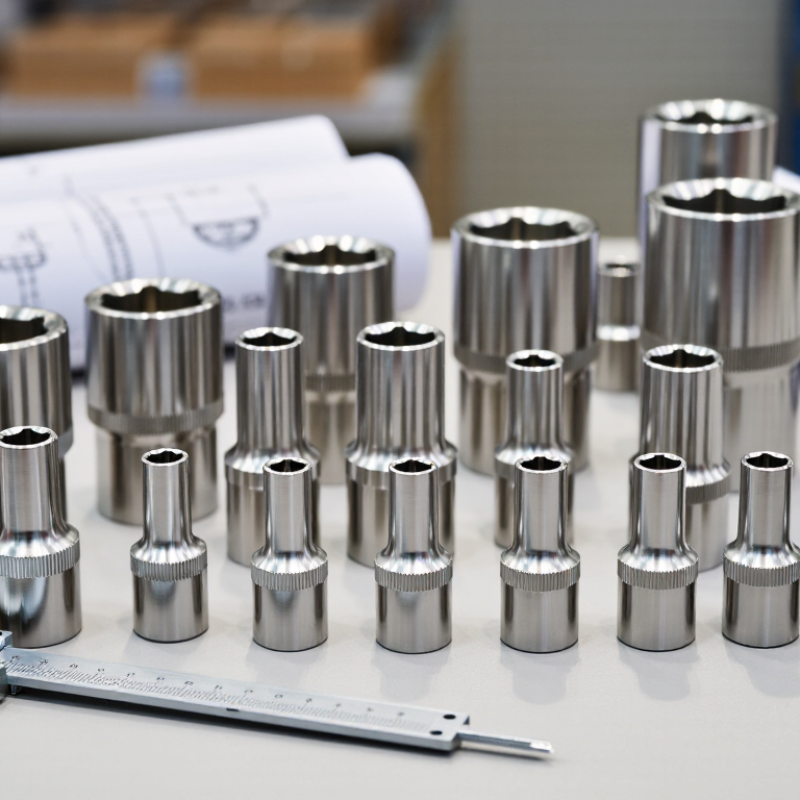
2026 Best Socket Weld Stub End Types for Buyers

What a Socket Weld Stub End Is and How It Connects to Piping

2026 Best Socket Weld Stub End Types for Buyers

A socket weld stub end is a short fitting with a recessed socket that receives the end of a pipe. The pipe slides into the socket until it meets the internal shoulder. A small clearance is then left between the pipe end and shoulder to allow for thermal expansion during welding. The connection is secured with a fillet weld around the outside of the fitting. Simple, but details matter. Socket-weld designs are commonly used on smaller-bore piping where a compact, strong connection is needed. They differ from lap-joint stub ends, which pair with a loose backing flange and use a butt-welded pipe connection. The names can sound similar, so check the end configuration on the drawing.

Tips: Confirm pipe size, schedule, material, pressure rating, and service conditions before selecting a fitting. Check the socket depth and required weld dimensions against the applicable project specification. Avoid forcing a poorly fitting pipe into the socket; a tight fit can make correct positioning difficult. That small detail is easy to overlook. Also inspect the finished weld for consistent coverage and visible defects before installation. A fit-up may look acceptable at first glance, yet still need adjustment. When requirements are unclear, ask the piping designer or qualified welding specialist to confirm the connection details.

Socket-Weld Joints vs. Lap-Joint Stub Ends

A socket-weld joint is made by inserting the pipe into a fitting socket and securing it with an external fillet weld. A stub end is butt-welded to the pipe and used with a loose lap-joint flange. These are different connection arrangements; a stub end is not itself a socket-weld fitting. Chart values are feature indicators: 1 = Yes, 0 = No.

Main Socket Weld Stub End Types and Their Design Differences

Buyers should separate socket-weld fittings from lap-joint stub ends: they are different designs, even when sellers use overlapping terms. A socket-weld fitting receives pipe inside a recessed socket, then uses a fillet weld around the joint. ASME B16.11 classifies socket-welding fittings as Class 3000, 6000, or 9000. These pressure classes are selection data, not a guarantee of service suitability; material, temperature, and pipe schedule also matter. Small details count. Check the socket depth and wall thickness against the connected pipe.

Stub ends are generally butt-weld components used with lap-joint flanges. Common design choices include short-pattern and long-pattern ends, which differ in length, access for welding, and room for flange rotation. ASME B16.9 provides dimensional requirements for factory-made butt-welding fittings, including stub ends. For corrosion-resistant fittings, buyers can also consult MSS SP-43. Confirm the standard, dimensions, alloy, and facing before ordering. A mismatch can leave too little clearance for welding or make flange alignment awkward. I would not treat “socket-weld stub end” as a precise specification on its own; it needs a drawing or a clearly named standard.

Materials, Pressure Ratings, and Applicable Standards

2026 Best Socket Weld Stub End Types for Buyers

Materials, pressure ratings, and standards should guide selection more than appearance. Carbon steel, such as ASTM A105, suits many general service conditions. Stainless steel grades, including ASTM A182 F316, may be chosen for corrosion resistance, but compatibility depends on the fluid and operating environment. Confirm the material grade, heat treatment, and traceability documents against the purchase specification. Small details matter.

Pressure class is not a universal pressure value. Temperature, material, size, and component design affect allowable pressure, so check the applicable rating tables rather than relying on a class number alone. For socket-weld fittings, ASME B16.11 is a common dimensional and rating reference. Stub-end designs may fall under different product standards, depending on their connection and construction. Do not guess.

Buyers should state the end connection, dimensions, material, service conditions, and required inspection documents on the drawing or order. A short-pattern and long-pattern stub end are not automatically interchangeable, and a socket-weld connection should not be assumed to match a butt-weld stub end. This distinction is easy to overlook. Verify the exact standard and configuration with the supplier’s technical documents before approving fabrication.

How to Select a Type for Operating and Installation Requirements

Before comparing socket-weld stub-end types, confirm what the supplier means by “stub end.” A conventional lap-joint stub end uses a butt-weld connection; a socket-weld fitting uses a socket and fillet weld. They are not interchangeable. ASME B16.11 covers forged socket-welding fittings from NPS 1/8 through NPS 4, with Class 3000, 6000, and 9000 designations. These classes are not universal pressure ratings: allowable pressure depends on material, temperature, and the piping design code. Check the applicable ASME B31.3 requirements and the fitting’s material specification before choosing.

For compact, smaller-bore lines, socket-weld ends can simplify alignment, but the socket gap and weld access need careful attention. In vibrating service or where frequent inspection matters, discuss fatigue, corrosion at crevices, and maintenance access with the piping engineer. For larger sizes or a removable flange connection, a butt-weld stub end with a lap-joint flange may be more practical. Not sure which fits? Ask for a dimensioned drawing, pressure-temperature basis, material grade, and weld procedure before ordering.

I would still question any selection based on class alone; it leaves out operating temperature and actual installation conditions.

Buyer Checklist for Specifications, Inspection, and Supplier Evaluation

A reliable buyer checklist starts with the drawing, not the product label. Confirm end connection, dimensions, bore, wall thickness, material grade, pressure class, and operating temperature. For socket-weld components, verify whether ASME B16.11 applies; a custom stub-end profile may require its own approved drawing. Small gaps matter. Specify the governing material standard, such as ASTM A182 where applicable, and request a material test certificate tied to the heat number. Check that markings on the part match the paperwork. A 2024 World Stainless Association report records 58.4 million tonnes of global stainless-steel production in 2023. That scale does not prove quality; traceability still matters.

During inspection, measure the socket depth and bore, then examine weld-preparation areas for cracks, dents, and rough machining. Define acceptance criteria before ordering. Ask which checks are performed, who records results, and whether dimensional reports and required nondestructive-test records accompany the shipment. Not every supplier tests every feature. Be specific. Compare sample certificates against the purchase specification, and confirm packaging protects machined faces from impact and corrosion. Evaluate suppliers on documented process controls, response time, corrective-action records, and willingness to clarify deviations in writing. I would double-check one point: the phrase “stub end” can describe different profiles, so attach a dimensioned drawing rather than relying on a catalog description.

Article Source: